
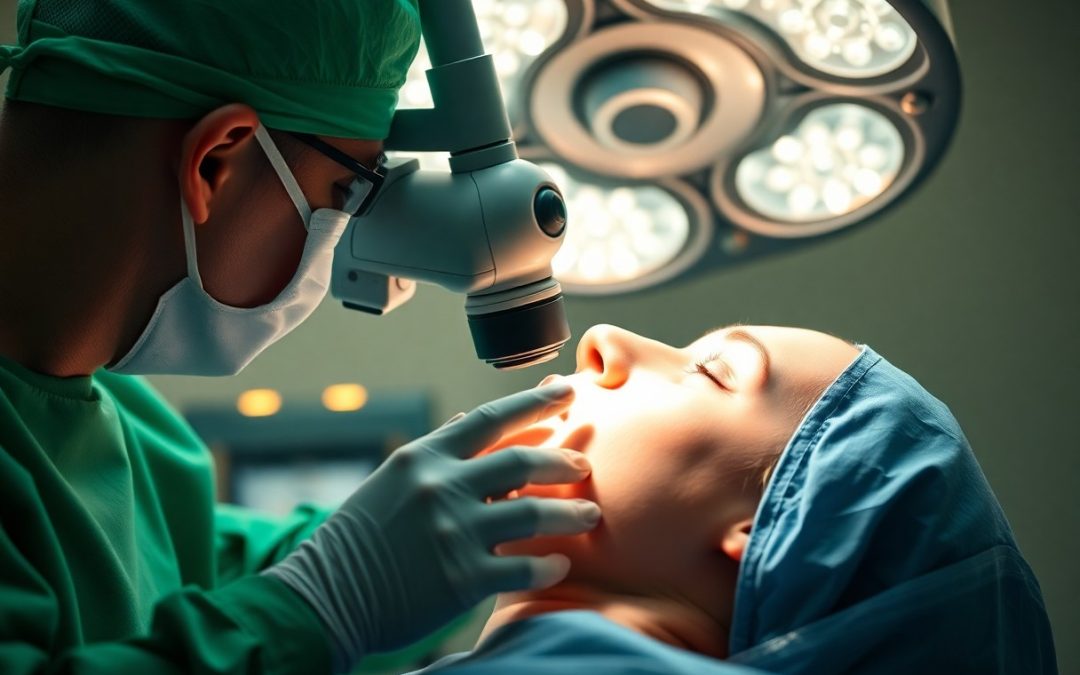
Rejuvenation through specialized cosmetic surgery targets sagging, volume loss, and deep wrinkles to restore youthful contours. You receive tailored surgical plans, advanced techniques, and experienced surgeons prioritizing natural results and safety.
Comprehensive Facial Assessment and Patient Selection
Assessment should combine structural analysis, skin quality appraisal, and medical history to determine candidacy and strategy, guiding which procedures will meet your needs while minimizing risk.
Evaluating Structural Aging and Skin Quality
Examine your bone, fat, and soft-tissue changes alongside skin texture, elasticity, and sun damage to tailor interventions for lasting, natural outcomes.
Identifying Anatomical Goals and Realistic Outcomes
Define target areas, symmetry priorities, and functional considerations with your surgeon so you understand achievable improvements, recovery expectations, and how procedures align with your facial identity.
Discuss expected timelines, potential trade-offs between volume restoration and tightening, and how staged procedures may better preserve natural expression while meeting your aesthetic objectives.

Precision Periorbital Rejuvenation
Precision periorbital techniques refine eyelid and brow contours to restore a rested, natural appearance; you benefit from targeted tissue repositioning, selective fat management, and incision placement tailored to your anatomy.
Upper and Lower Blepharoplasty Techniques
Surgical upper and lower blepharoplasty targets hooding, fat prolapse, and excess skin while preserving eyelid function; you will notice smoother creases, reduced under-eye fullness, and scars hidden within natural folds.
Endoscopic Brow Lifts and Temporal Suspension
Endoscopic brow lifts and temporal suspension lift the forehead with small incisions and endoscopic visualization, giving you raised brows and softened forehead lines, with reduced scarring and faster recovery than open lifts.
Temporal suspension techniques anchor lateral brow tissues to the deep temporal fascia, allowing you to correct asymmetry and lateral hooding while maintaining natural brow shape; durable fixation and precise vector control optimize long-term position.
Volumetric Restoration and Mid-Face Augmentation
Midface volumetric restoration restores cheek projection and facial balance by replacing lost deep fat and supporting structures, so you regain natural fullness and smoother nasolabial transitions with tailored augmentation techniques.
Autologous Fat Grafting and Structural Volumization
Fat grafting transfers your own adipose to replenish volume, integrate with native tissues, and provide long-lasting midface support while you recover under minimally invasive protocols.
Malar Enhancement and Nasolabial Correction
Malar augmentation reshapes cheek prominences and softens nasolabial grooves so you achieve improved midface projection, smoother contours, and a more youthful three-dimensional profile.
Technique selection-implant, structural grafting, or fat transfer-depends on your facial architecture, skin quality, and desired longevity, with precise vectoring to restore cheek fullness and reduce nasolabial deepening.
Specialized Rhinoplasty for the Aging Face
Rhinoplasty helps you address tip descent, dorsal irregularities, and weakened nasal support, restoring a youthful contour while preserving airway function and facial proportion through tailored grafting and contouring techniques.
Tip Support and Structural Refinement
Surgical tip support restores projection and defines the nasal tip using columellar struts, tip grafts, and strategic suturing so you regain structural integrity and a refined silhouette.
Functional and Aesthetic Integration
Function-focused techniques prioritize airway patency while refining shape, combining spreader grafts, valve repair, and precise cartilage repositioning so you achieve both breathing improvement and natural appearance.
You should expect a thorough assessment of septal deviation, internal and external valve collapse, skin thickness, and lower lateral cartilage condition; surgical plans often include septoplasty, spreader or batten grafts to widen the middle vault, columellar strut and tip onlay grafts for projection, and conservative dorsal refinement. In older patients, graft selection (septal, auricular, or costal) and meticulous soft-tissue handling reduce contour irregularities and preserve long-term airway function, with staged approaches considered when prior surgery or tissue quality limits immediate correction.
Post-Operative Management and Longevity of Results
You should attend all follow-ups, protect treated skin with daily SPF, manage swelling and sleep position, and maintain healthy habits to extend surgical benefits and reduce complications.
Advanced Recovery Protocols and Wound Care
Follow post-op protocols for gentle cleansing, timed dressing changes, prescribed medications, and controlled activity to promote healing and limit scar formation.
- Gentle wound cleansing twice daily
- Timed dressing and suture care per surgeon
- Medication adherence (analgesics/antibiotics)
- Early lymphatic massage as directed
- Sun avoidance and SPF after re-epithelialization
Recovery Summary
| Element | Recommendation |
| Cleansing | Saline or surgeon-approved cleanser twice daily |
| Dressings | Change per instructions; keep area dry initially |
| Medications | Take prescribed antibiotics/analgesics on schedule |
| Activity | Avoid heavy lifting/strenuous exercise for 4-6 weeks |
| Sun Protection | Use SPF 30+ and physical barriers once healed |
Long-Term Maintenance and Non-Surgical Adjuncts
Consider periodic treatments-fillers, lasers, neurotoxins-and consistent topical regimens to preserve contour, skin quality, and surgical investments over time.
Schedule regular maintenance so you and your surgeon can time touch-ups, select appropriate modalities for age-related changes, combine topical retinoids and antioxidants, and plan procedures to minimize downtime while optimizing long-term facial balance.
Final Words
Considering all points, you should select a board-certified specialist who tailors facial rejuvenation to your anatomy, weighs risks objectively, and sets realistic expectations while prioritizing safety and long-term outcomes.