
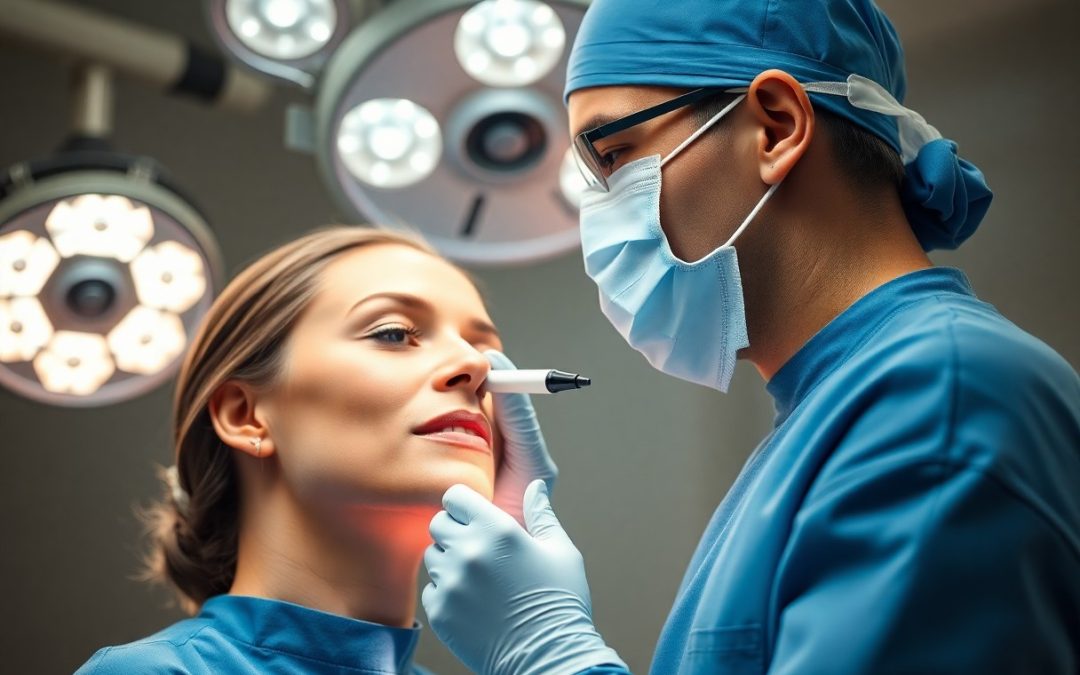
It’s crucial that you consult board-certified surgeons who assess your goals, explain realistic outcomes, and guide you through safe procedures and recovery so you can make informed decisions about cosmetic surgery.
Enhance Your Appearance With Expert Cosmetic Surgery
Facial rejuvenation and refinement help you restore youthful contours while preserving your distinctive features; you benefit from tailored surgical and non-surgical treatments that smooth lines and improve texture for a refreshed, natural appearance.
Advanced Facelift Techniques for Natural Results
Advanced facelift techniques employ deep-plane lifts, SMAS repositioning, and careful fat management so you retain natural expression while reducing sagging and jowls with minimal visible scarring.
- Personalized facial assessment and surgical plan
- SMAS and deep-plane repositioning for midface support
- Fat grafting and contouring to restore volume
- Minimal-incision and endoscopic approaches to limit scars
Technique vs Benefit
| Technique | Benefit |
|---|---|
| SMAS/Deep-plane lift | Longer-lasting contour with natural movement |
| Fat grafting | Restores youthful volume and smoothes hollows |
| Minimal incisions | Reduced visible scarring and quicker recovery |
| Endoscopic approaches | Targeted correction with smaller wounds |
Blepharoplasty: Restoring Youthful Eyes
Blepharoplasty reshapes upper and lower lids to remove excess skin and pouches so you achieve brighter, less tired eyes and improved peripheral vision when needed.
You will receive a detailed eyelid assessment covering skin laxity, fat prolapse, and brow position; surgical options include upper lid skin excision, lower lid transconjunctival fat removal, or fat repositioning to smooth hollows, with anesthesia, expected recovery timelines, potential risks, and realistic outcome goals discussed during consultation.
Precision Body Contouring
Skillful body contouring sculpts natural proportions using precise liposuction and targeted fat grafting so you achieve balanced, defined lines with minimal scarring.
High-Definition Liposuction and Body Sculpting
Advanced high-definition liposuction refines musculature visibility by removing pinpoint fat deposits while you retain smooth contours and tailored definition.
Abdominoplasty: Restoring Core Definition
Precise abdominoplasty tightens the abdominal wall and trims excess tissue so you regain a firmer, natural-looking midsection.
Recovery after abdominoplasty varies, but your surgeon will outline activity restrictions, scar care, and gradual strengthening so you protect repaired muscles and refine your silhouette; follow-up appointments ensure healing and address concerns promptly.
Breast Enhancement and Reconstruction
Breast procedures blend form and function to restore or enhance your shape, using implants, fat grafting, or tissue reconstruction tailored to your goals and anatomy.
Options in Augmentation and Mastopexy
Options range from saline or silicone implants to autologous fat transfer and mastopexy, allowing you to increase volume or lift while considering incision, placement, and recovery.
Achieving Symmetry and Proportionality
Symmetry assessment guides implant selection, mastopexy patterns, and reconstruction choices so you achieve balance between breasts and overall body contours.
Measurements, photographic analysis, and 3D imaging help your surgeon plan asymmetry corrections, identify chest wall differences, and select implants or flaps that match your frame for a natural, proportional result; expect individualized surgical strategies and staged procedures when necessary.
Minimally Invasive Aesthetic Solutions
Targeted minimally invasive treatments let you refresh features with limited downtime, addressing fine lines, volume loss, and mild laxity while preserving natural expression.
Neuromodulators and Dermal Fillers
You can smooth dynamic wrinkles with neuromodulators and restore contour with fillers, achieving subtle, tailored results in a short office visit.
Laser Skin Resurfacing and Tightening
Clinically proven laser treatments help you improve skin texture and tighten laxity, reducing pigmentation and stimulating collagen with predictable recovery times.
Modern laser modalities let you choose between ablative and nonablative options, balancing results and downtime; fractional resurfacing targets the epidermis while stimulating dermal collagen, and radiofrequency or infrared devices firm deeper tissues-your provider will customize protocols based on skin type, concerns, and desired recovery.
The Consultation and Planning Process
During the consultation you review your medical history, discuss desired outcomes, and receive a risk-benefit assessment so you leave with a clear, personalized plan and an agreed timetable for surgery and recovery.
Setting Realistic Aesthetic Goals
You set realistic goals by sharing photos, lifestyle constraints, and expectations so the surgeon can recommend proportional, achievable changes and outline potential trade-offs.
Customized Surgical Treatment Mapping
Your treatment map specifies surgical steps, incision placement, anesthesia choices, and recovery milestones, giving you a clear roadmap and contingency options tailored to your anatomy.
Detailed 3D imaging and preoperative simulations let you preview results, refine proportions, and test implant sizes; you’ll receive a step-by-step timeline, pre-op instructions, and contingency plans for safer recovery.
Safety Standards and Post-Operative Care
You should expect strict infection control, thorough pre-op screening, anesthesia protocols, and clear discharge instructions; follow all guidance and report concerns immediately to reduce complications.
Selecting a Board-Certified Specialist
Verify that your surgeon is board-certified, reviews your medical history in depth, shows outcome photos, and discusses risks and alternatives so you make an informed choice.
Optimizing Recovery for Longevity of Results
Follow post-op instructions precisely, maintain proper wound care, take prescribed medications, and gradually resume activity to protect results and minimize scarring.
Maintaining a steady recovery routine helps preserve your surgical outcomes: prioritize protein-rich meals, adequate hydration, and 7-9 hours of sleep each night. Adhere to activity restrictions-no heavy lifting for the recommended period-and use compression garments if prescribed. Avoid tobacco and limit alcohol while wounds heal. Contact your surgeon promptly for fever, increasing pain, or unusual drainage to prevent complications.
Summing up
As a reminder you should consult board-certified surgeons, weigh realistic outcomes and risks, and plan recovery so expert cosmetic surgery delivers natural, durable improvements to your appearance.