
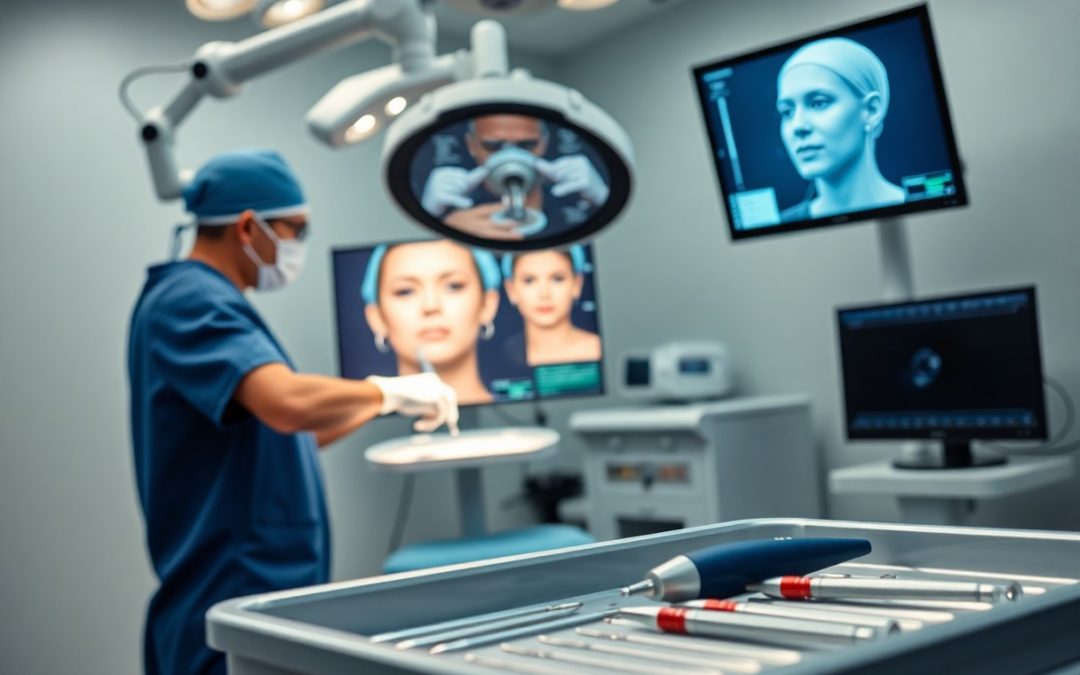
There’s a noticeable shift in how cosmetic surgery is performed today. You benefit from less invasive methods, faster recovery times, and more natural results. Innovations in imaging, laser technology, and minimally invasive procedures now allow precision and safety that were once unimaginable. You’re no longer limited to dramatic changes-you can achieve subtle, personalized enhancements with confidence.
The Tipping Point of Subtlety
You now seek refinement, not reinvention. Modern cosmetic surgery prioritizes natural enhancement, aligning with individual features rather than overriding them. This shift reflects a cultural move toward authenticity, where results blend seamlessly into daily life, often going unnoticed.
The rise of micro-procedures
You’re opting for quick, low-downtime treatments like injectables and laser touch-ups. These micro-procedures offer targeted improvements without surgery, fitting easily into busy schedules. Their popularity signals a preference for gradual, controlled enhancement over dramatic transformations.
The rejection of the surgical look
You no longer want obvious signs of intervention. Overly tight facelifts or exaggerated features have fallen out of favor. Instead, you value outcomes that preserve expression and movement, ensuring you look like a refreshed version of yourself.
Today’s standards favor restraint, where skill is measured by invisibility. You avoid the telltale stiffness once associated with facial surgery, choosing techniques that respect anatomical harmony. Surgeons now use layered, tissue-sparing methods to maintain natural contours, ensuring your expressions remain fluid and genuine. This evolution reflects your desire for authenticity, not artifice.
The Architecture of the Virtual Patient
You now interact with a digital twin before any incision is made. Advanced imaging and 3D modeling convert your anatomy into a dynamic, interactive simulation. This virtual patient mirrors tissue behavior, bone structure, and skin elasticity, allowing surgeons to test techniques and anticipate outcomes with unprecedented accuracy, transforming how procedures are planned and personalized.
Pre-operative digital mapping
Your unique facial or body contours are captured in high resolution using 3D scanners. This detailed map guides precise incision points, implant placement, and tissue manipulation. Surgeons use this data to customize every step, minimizing guesswork and enhancing symmetry, safety, and alignment with your aesthetic goals.
Predictive aesthetic modeling
Your desired outcome takes shape before surgery through predictive modeling. Algorithms analyze your anatomy and simulate post-procedure appearance, adjusting for swelling, healing, and tissue response. You view realistic renderings from multiple angles, ensuring expectations align with what’s surgically achievable.
These models rely on machine learning trained on thousands of surgical outcomes, refining predictions based on variables like skin thickness, age, and healing patterns. You benefit from visual forecasts that go beyond static images, incorporating movement and expression to show how changes will look in real life. This level of foresight strengthens trust and decision-making in your treatment journey.
The Biology of Self-Correction
Your body’s innate ability to heal and adapt is now being harnessed in ways that redefine cosmetic outcomes. Modern techniques work with biological processes rather than against them, allowing for more natural, longer-lasting results. Surgeons now design interventions that align with your physiology, encouraging tissues to respond predictably and efficiently.
Autologous tissue integration
Your own tissue is the gold standard for grafting and reconstruction. When surgeons use autologous material-like fat or fascia-it integrates seamlessly because your body recognizes it as native. You face fewer complications, reduced rejection risks, and more harmonious contouring, especially in facial and breast procedures.
Cellular regeneration protocols
Your skin and underlying tissues can now be primed to regenerate with precision. Growth factors and platelet-rich plasma are applied during and after surgery to accelerate healing. You experience less downtime and improved tissue quality, with results that evolve naturally over weeks.
These protocols go beyond simple healing-they reshape how your body rebuilds itself post-surgery. By isolating and concentrating regenerative components from your blood, clinicians create targeted treatments that stimulate collagen, increase vascularity, and support structural integrity. You benefit from enhanced texture, tone, and resilience, making recovery not just faster, but more transformative.
The Precision of Invisible Heat
You now experience tighter, smoother skin without visible signs of treatment, thanks to advanced thermal technologies that work beneath the surface. These innovations deliver controlled heat with pinpoint accuracy, stimulating collagen while preserving surrounding tissue.
Radiofrequency skin tightening
You feel gentle warmth as radiofrequency energy reaches deep layers, encouraging your skin to contract and regenerate. This non-invasive method improves elasticity on the face and body with no downtime.
You benefit from heat applied directly under the skin, where it reshapes fat and tightens connective tissue. This technique targets structural support layers for longer-lasting contouring results. Subdermal thermal remodeling goes beyond surface tightening by focusing on the fibroseptal network beneath the dermis. Using calibrated thermal energy, the procedure induces controlled micro-injuries that trigger your body’s natural healing response. Over weeks, you notice improved skin firmness and subtle lifting, especially in areas prone to sagging like the neck or jawline. Because the heat is delivered through fine probes or microneedles, precision is maximized and recovery time minimized. You achieve results gradually, with natural-looking improvements that align with your skin’s biology. Society increasingly values subtlety in cosmetic enhancement, favoring results that blend seamlessly with your natural features. Patients today seek refinement, not transformation, aiming to look like an improved version of themselves. This shift reflects broader cultural preferences for authenticity and understated beauty in personal appearance. Facial expressions reveal a person’s true emotions, and modern techniques now account for how your face moves in conversation or laughter. Surgeons sculpt tissues to respond naturally, avoiding the frozen look once common in procedures. Your results now adapt to motion, preserving individuality and expression. Cameras capture every detail, making imperfections more visible and raising your expectations for precision. High-definition screens expose even minor asymmetries, pushing surgeons to refine techniques for flawless outcomes under close scrutiny. Your face must hold up in zoomed-in moments, from video calls to social media stories. High-definition media hasn’t just changed how you view yourself-it’s redefined surgical standards. With smartphones and streaming platforms showcasing unfiltered close-ups, even microscopic irregularities become noticeable. Surgeons now use magnified imaging during procedures to ensure symmetry and smooth transitions in tissue, tailoring results to withstand the unforgiving clarity of modern lenses. Your face is no longer judged in passing glances but in paused frames and slow-motion replays. Recovery after cosmetic surgery has transformed dramatically in just a few years. You now experience less downtime thanks to smarter techniques and better postoperative care. What once required weeks of rest can often be managed in days, allowing you to return to daily life faster and with greater comfort. Smaller incisions and refined instruments reduce tissue damage during surgery. You benefit from less swelling, bruising, and scarring because the procedures disrupt your body far less than in the past. These subtle approaches support quicker healing without sacrificing results. Structured recovery plans combine targeted medications, compression garments, and early mobility to speed healing. You follow a clear timeline that minimizes complications and enhances comfort. These protocols are personalized, ensuring your body heals efficiently and predictably. Your recovery journey now includes evidence-based interventions designed to reduce inflammation and support tissue repair. Cold therapy, specialized supplements, and lymphatic drainage are integrated into your post-op routine. By following these protocols, you achieve visible improvements sooner while lowering the risk of setbacks. Surgeons monitor your progress closely, adjusting care to match your healing pace. Drawing together the advances you’ve seen, cosmetic surgery now offers safer, more precise outcomes through minimally invasive methods, 3D imaging, and personalized techniques. You benefit from shorter recovery times and enhanced natural results, reflecting years of innovation and refined expertise. These developments mark a clear shift in how procedures are performed and perceived today.The Social Logic of the Natural Look
Designing for dynamic movement
Impact of high-definition media
The Compression of Healing Time
Minimally traumatic techniques
Accelerated recovery protocols
Final Words