
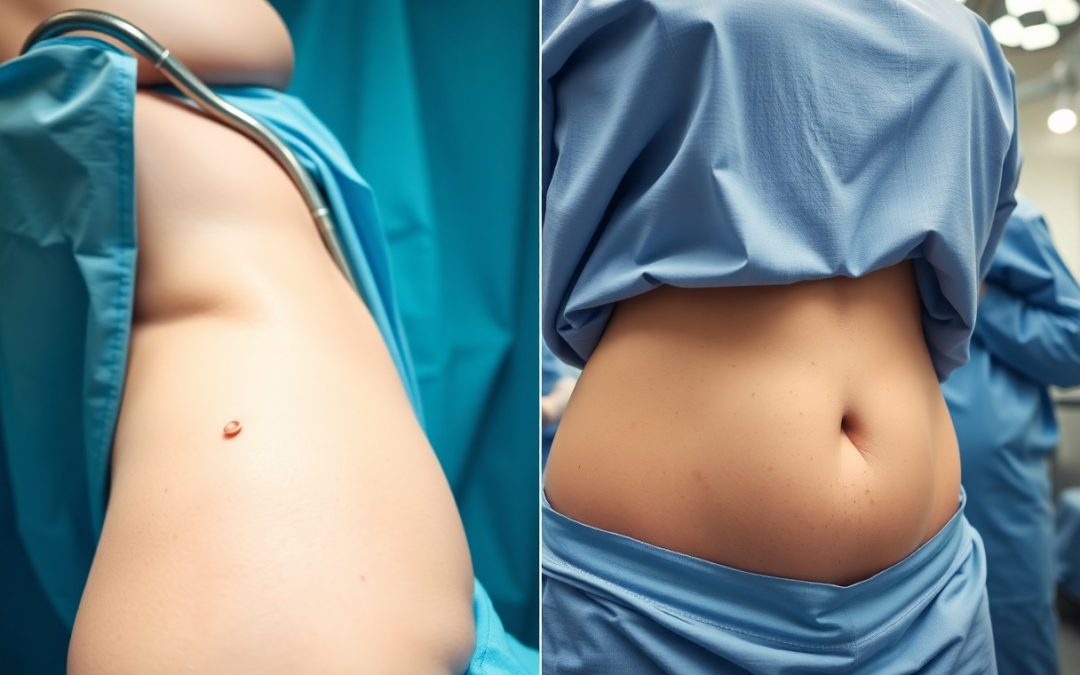
Many people considering body contouring struggle to choose between liposuction and a tummy tuck. You need to know how each procedure works, what results to expect, and which one aligns with your goals. This guide breaks down the key differences so you can make an informed decision confidently.
The Nature of the Work
Liposuction and tummy tucks address abdominal concerns differently. You’re removing fat in one, while the other reshapes skin and muscle. Each procedure serves distinct goals, even if results may seem similar at a glance. Your choice depends on what your body actually needs.
The suction of the fat
Liposuction targets localized fat deposits beneath the skin. You’ll have small incisions where a thin tube suctions out unwanted fat. It works well if your skin is firm and you’re close to your ideal weight. This method doesn’t address loose skin or muscle separation.
The cutting of the skin
A tummy tuck removes excess skin and tightens the abdominal wall. You’ll have a horizontal incision above the pubic area, allowing the surgeon to pull skin taut. This is ideal when skin has lost elasticity due to weight loss or pregnancy.
When excess skin is present, especially after major weight changes, non-surgical methods won’t provide the same outcome. The tummy tuck physically excises that loose tissue and often repairs weakened or separated abdominal muscles. You’re not just removing skin-you’re reconstructing the contour of your midsection for a firmer, flatter appearance. Recovery takes longer than liposuction, but the structural change is more comprehensive.
The Physical Cost
Every surgical decision carries visible consequences, and both liposuction and tummy tucks leave their mark on your body. While both aim to refine your shape, the nature and extent of scarring differ significantly. Your choice should reflect not only your aesthetic goals but also your comfort with the physical reminders each procedure leaves behind.
Small marks from the cannula
You’ll notice tiny incisions, often less than a centimeter, where the cannula entered your skin. These puncture sites usually fade over time and are placed in discreet areas like natural folds or undergarment lines. Most heal cleanly with minimal visibility, especially when post-op care instructions are followed closely.
The long scar of the tuck
A tummy tuck requires a horizontal incision across your lower abdomen, typically from hip to hip. This scar is unavoidable and remains visible, though it’s positioned to stay hidden beneath underwear or swimwear. Its length and prominence depend on how much skin is removed and your body’s healing response.
Over time, the tummy tuck scar softens and fades, transitioning from red or raised to a thinner, paler line within 12 to 18 months. You play a key role in this process-keeping the area protected from sun exposure, using recommended scar treatments, and avoiding strain during recovery can all influence the final appearance. Some patients develop wider or darker scarring based on genetics, so realistic expectations are important.
The Recovery Period
Healing after liposuction or a tummy tuck varies significantly based on the procedure’s scope. You’ll face swelling, bruising, and some discomfort regardless of choice, but how long these last depends on what your body has endured. Your commitment to rest and following post-op instructions directly influences how smoothly you progress through recovery.
Returning to the world quickly
Liposuction lets you resume light daily activities within a few days. You may feel sore, but most people find they can return to desk jobs in 3 to 5 days. Wearing a compression garment helps control swelling and supports healing, letting you re-engage with routine faster than with more invasive procedures.
The slow mend of the muscle
A tummy tuck involves tightening abdominal muscles, a step that adds healing time. You won’t feel back to normal for several weeks because deep tissues need time to repair. Movement is limited early on to protect the internal work completed during surgery.
Muscle repair during a tummy tuck isn’t visible from the outside, but it’s one of the most transformative aspects of the procedure. Your surgeon tightens the fascia-the fibrous layer covering abdominal muscles-often correcting diastasis recti caused by pregnancy or weight changes. This internal reconstruction requires careful recovery; too much movement too soon can compromise results. You’ll be advised to avoid lifting, twisting, and strenuous exercise for at least four to six weeks. Pain may decrease before the tissues are fully healed, so following your surgeon’s timeline is important for long-term success. Full muscle integration and strength restoration can take months, even after you’re cleared for normal activity.
Making the Choice
Your decision between liposuction and a tummy tuck depends on your body goals and physical condition. You must assess whether excess fat, loose skin, or muscle separation is your primary concern. A qualified plastic surgeon can guide you based on realistic outcomes and recovery expectations.
Firm skin and localized fat
You likely benefit from liposuction if your skin retains elasticity and you’re targeting stubborn fat pockets. This procedure removes fat with minimal downtime. It won’t tighten loose skin or repair muscles, but it enhances contours where skin can naturally adapt.
Loose skin and muscle gaps
You may need a tummy tuck if you have sagging skin or separated abdominal muscles, often after pregnancy or major weight loss. Liposuction alone won’t address these issues. This surgery removes excess skin and tightens the underlying muscle wall for a flatter profile.
Loose skin and muscle gaps often result from stretched connective tissue that doesn’t rebound on its own. You can’t spot-reduce this with exercise or diet. A tummy tuck physically excises the loose skin and sutures the rectus muscles back together, restoring abdominal integrity and creating a smoother, firmer midsection that reflects your true underlying shape.
To wrap up
Considering all points, you see that liposuction targets fat removal with minimal downtime, while a tummy tuck addresses loose skin and muscle separation for more dramatic reshaping. Your choice depends on your body goals, health, and recovery readiness. Each procedure delivers distinct results, so understanding these differences guides you toward the right decision.