
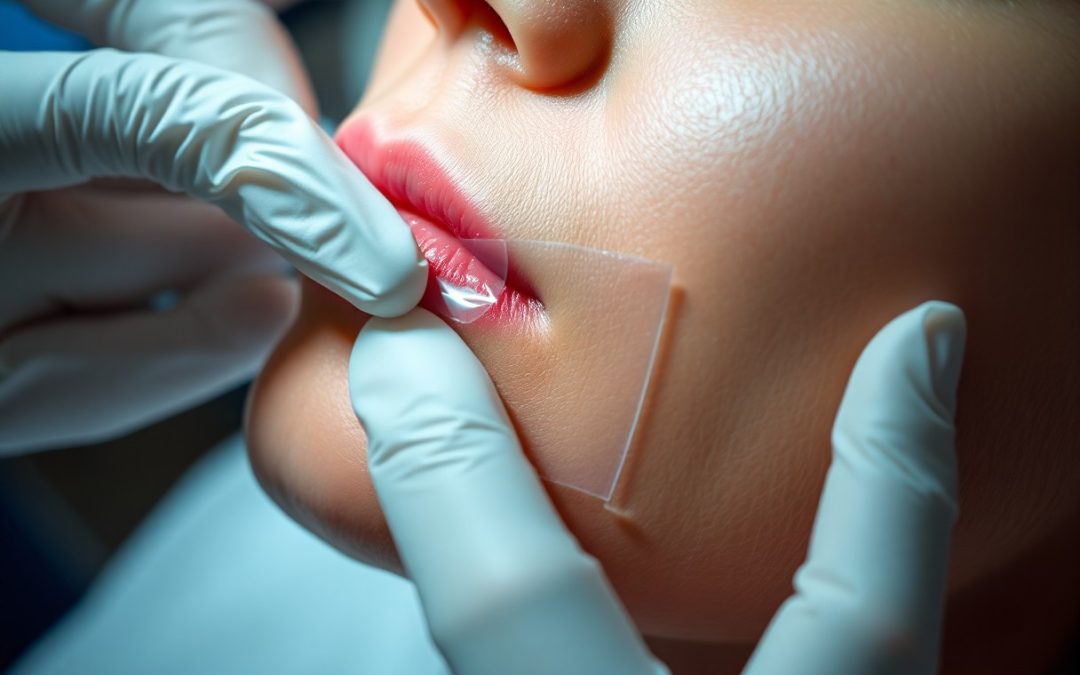
There’s a proven way to reduce scarring after your procedure. You can support healing by keeping the incision clean, using recommended ointments, avoiding sun exposure, and following your surgeon’s aftercare instructions precisely. Proper care from day one makes a clear difference in how your skin recovers.
Biological Factors Influencing Scar Development
- Genetic skin type and pigmentation
- Age and overall health status
The way your body forms scars depends largely on biological traits beyond your control. Your genetics, skin color, age, and general health all play key roles in how your incisions heal. The
Genetic Skin Type and Pigmentation
Your inherited skin type directly affects scar formation. Individuals with darker pigmentation are more prone to hyperpigmentation or keloid scars due to higher melanin activity. How your skin responded to past injuries is often a reliable predictor. The
Age and Overall Health Status
Younger skin typically heals faster but may form thicker scars due to heightened collagen production. As you age, healing slows, increasing the risk of complications. Chronic conditions like diabetes or poor circulation also impair tissue repair. The
Healing capacity shifts significantly with age and general wellness. Your body’s ability to regenerate tissue declines over time, and conditions like hypertension or nutritional deficiencies can delay recovery. Medications, immune function, and even stress levels influence scar outcomes. The body’s response to surgery is never isolated-it reflects your total health picture.
How-To Optimize Pre-Surgical Skin Health
Healthy skin before surgery sets the foundation for cleaner healing and less noticeable scarring. Begin preparing your skin weeks in advance with consistent cleansing, hydration, and sun protection to improve elasticity and resilience.
Nutritional Requirements for Tissue Repair
Your body needs specific nutrients to rebuild tissue efficiently. Prioritize protein, vitamin C, zinc, and omega-3 fatty acids in your daily meals to support collagen formation and reduce inflammation during early healing stages.
Eliminating Nicotine and Harmful Substances
Nicotine restricts blood flow to the skin, impairing oxygen delivery imperative for healing. Stop all tobacco products at least four weeks before surgery to lower the risk of complications and poor scar formation.
Smoking doesn’t just affect your lungs-it directly interferes with your skin’s ability to recover. Nicotine causes blood vessels to constrict, reducing circulation needed for tissue repair. Alcohol and certain medications, like NSAIDs, can also increase bleeding or delay healing. Cutting these out well in advance gives your body the best chance to heal cleanly and minimize scar visibility.
Post-Operative Wound Management Protocols
Following your surgeon’s wound care instructions closely sets the foundation for optimal healing. Your body begins repairing tissue immediately, and how you manage the incision in the first days can influence scar appearance long-term. Keep the area protected and avoid actions that strain the surgical site.
Maintaining Incision Cleanliness and Moisture
You keep the incision clean by gently washing it with mild soap and water as directed. Avoid scrubbing or using harsh products. Maintaining a moist environment-often with a thin layer of petroleum jelly-supports skin regeneration and reduces scabbing, which can worsen scarring.
Applying Prescribed Ointments and Dressings
Your surgeon may recommend a specific ointment to prevent infection and support healing. Apply it in a thin layer after cleaning, then cover with a fresh dressing if needed. Changing dressings daily or as instructed helps maintain a sterile environment and promotes consistent recovery.
Using the right ointment at the right time makes a clear difference in how your skin heals. Antibiotic creams may be used short-term to prevent infection, while silicone-based gels are often introduced later to flatten and soften scar tissue. Always follow your surgeon’s timeline-using products too long or too soon can interfere with natural healing. Apply with clean hands and avoid sharing applicators to reduce contamination risk.
Professional Tips for Minimizing Scar Visibility
- Follow your surgeon’s wound care instructions precisely
- Use silicone gels or sheets as directed
- Protect healing skin from sun exposure
- Attend all follow-up appointments
The earlier you adopt these habits, the better your results will be.
Effective Use of Silicone Gels and Sheeting
You can start applying silicone gel or sheets once your incisions are fully closed. These products help flatten and soften scars by maintaining moisture and reducing collagen buildup. Use them daily for several weeks to see improvement. The consistency of use determines how well your skin responds.
Strategic Sun Protection and UV Avoidance
Sun exposure can darken scars and make them more noticeable, especially in the first year after surgery. You must shield healing skin from UV rays to prevent discoloration. Wear broad-spectrum sunscreen daily, even indoors. The skin around scars is more sensitive and requires extra protection.
Scar tissue lacks natural pigmentation and UV defense, making it prone to burning and hyperpigmentation. You should avoid direct sunlight on healing areas for at least 12 months. Use physical barriers like clothing, hats, or UV-blocking window films when outdoors. The combination of daily sunscreen and shade maximizes protection and supports even skin tone recovery.
Advanced Clinical Treatments for Scar Refinement
Professional treatments can significantly improve scar texture and color when applied at the right time. These options work best under medical supervision and are often tailored to your skin type and scar profile.
- Laser therapy for pigmentation and texture
- Chemical peels to encourage skin renewal
- Corticosteroid injections for raised scars
- Surgical revision for wide or irregular scars
| Treatment Type | Best For |
| Laser Therapy | Redness, discoloration, surface texture |
| Chemical Peels | Shallow scars, uneven tone |
| Scar Injections | Keloids, hypertrophic scars |
| Surgical Revision | Wide, twisted, or retracted scars |
Laser Therapy and Chemical Peels
Laser therapy targets discoloration and uneven texture by stimulating collagen and resurfacing damaged layers. Chemical peels use controlled exfoliation to improve tone and smoothness, especially in superficial scars. You may need multiple sessions, but results often become visible within weeks.
Injections and Surgical Revision Techniques
Injections of corticosteroids or 5-FU can flatten raised, thickened scars over time. Surgical revision removes problematic scar tissue and re-closes the area with refined techniques. These options suit scars that haven’t responded to topical or non-invasive care.
Scar injections work by reducing inflammation and slowing excess collagen production, making them effective for keloids and hypertrophic scars. Surgical revision is ideal when a scar pulls at surrounding tissue or creates visible distortion. Your provider may combine excision with advanced closure methods like layered suturing or dermabrasion to minimize recurrence and improve cosmetic outcomes.
Daily Habits to Promote Seamless Healing
Your body repairs itself most effectively when supported by consistent, healthy routines. Prioritize sleep, maintain a clean surgical site, and follow your surgeon’s instructions without deviation. Small choices each day shape your recovery more than you may realize.
Hydration and Massage Techniques
Water fuels every stage of tissue repair, so drink consistently throughout the day. Once cleared by your doctor, gentle massage around the scar area can improve circulation and soften collagen buildup. Use recommended creams and apply light, circular pressure to encourage smoother healing.
Managing Physical Strain and Movement
Movement is necessary, but overexertion can delay healing. Avoid lifting heavy objects or sudden twisting motions that pull on incision sites. Your surgeon will guide you on safe activity levels-stick to them closely to protect delicate tissues.
Strain on healing skin can cause widened scars or complications, especially in the first six weeks. Even everyday actions like reaching for a high shelf or bending to tie your shoes may place tension on surgical areas. Gradually reintroduce activity, always monitoring for discomfort, swelling, or pulling sensations. Support garments, when prescribed, help reduce physical stress on incisions and should be worn as directed.
To wrap up
Now you know the steps to reduce scarring after cosmetic surgery. Follow your surgeon’s aftercare instructions, keep incisions clean and protected from sun exposure, and use recommended scar treatments consistently. Your body heals in phases, and your daily habits directly influence scar appearance. Stay consistent and patient-your skin’s recovery reflects your commitment.