
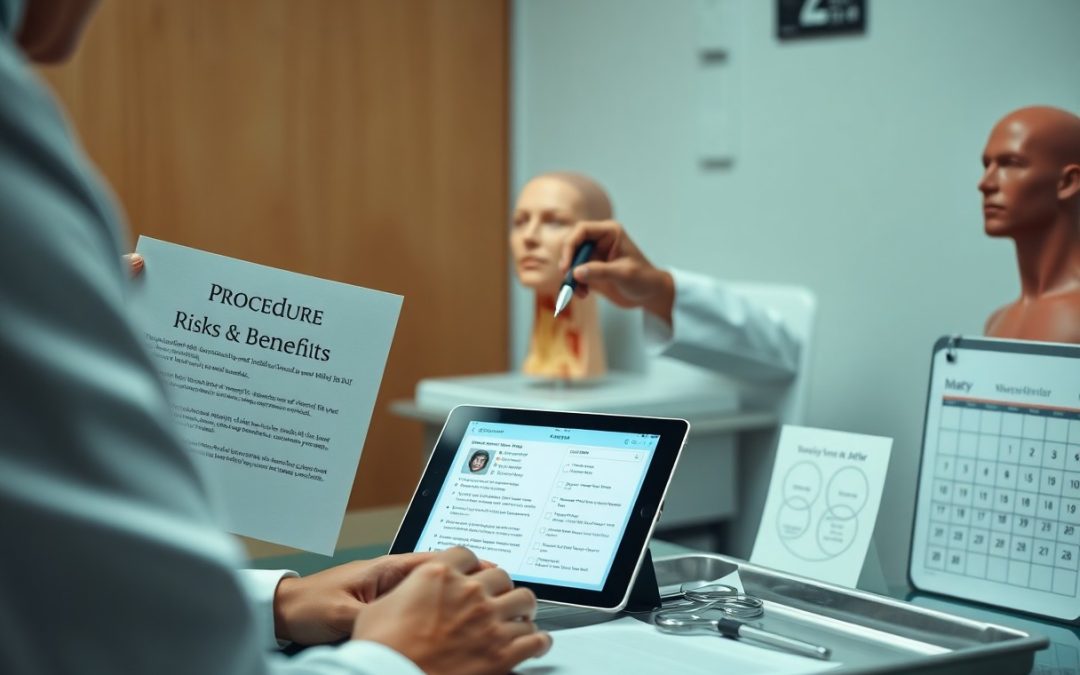
You should understand the risks, recovery time, and realistic outcomes before undergoing any cosmetic procedure. Research your provider’s credentials, ask detailed questions during consultations, and review before-and-after photos of actual patients. Your safety and satisfaction depend on informed decisions made with clear expectations and professional guidance.
The Vanity of the Motivation
Understanding why you want a cosmetic procedure shapes your experience and outcome. Your reasons matter more than you think, and not all motivations lead to lasting fulfillment. Take time to reflect on whether the change you seek comes from within or is driven by external pressures.
Distinguishing Whim from Worth
You might feel drawn to a trend or a celebrity look, but ask yourself: does this align with your values or just a passing desire? A fleeting impulse rarely sustains long-term satisfaction. True worth comes from choices that reflect your authentic self, not momentary fascination.
The Fragile Nature of Satisfaction
Satisfaction after a procedure can fade if it was meant to fix deeper emotional gaps. You may achieve the look you wanted, yet still feel unfulfilled. Physical changes alone rarely resolve issues of self-worth or identity.
Even successful results can feel hollow when expectations were built on emotional needs rather than realistic goals. You might notice initial excitement give way to new insecurities or shifting focus to another feature. This pattern shows how temporary physical fixes can be when inner confidence hasn’t been addressed. Long-lasting contentment often comes not from how you look, but from how you see yourself.
The Pedigree of the Practitioner
Choosing a qualified professional begins with understanding their training and credentials. You deserve confidence in the person holding the scalpel or syringe, so verify their board certifications, surgical residency, and active licenses. A strong pedigree reflects years of disciplined education and adherence to medical standards, giving you peace of mind about safety and competence.
Verifying Professional Pedigree
You can confirm a practitioner’s credentials through state medical boards or specialty organizations like the American Board of Plastic Surgery. Look for unbroken licensure and any history of disciplinary actions. Reliable sources provide clear, public records-use them to ensure your provider meets national standards of medical practice and ethics.
Assessing the Artistic History
Reviewing before-and-after photos of past patients reveals a surgeon’s aesthetic judgment and consistency. You’re not just evaluating technical skill but their ability to create natural, balanced results. Pay attention to how closely their style aligns with your personal goals and facial harmony.
Each face responds differently to cosmetic work, and the best outcomes reflect an artist’s eye as much as surgical precision. Look for subtlety, proportion, and attention to detail in their portfolio. A strong artistic history shows a practitioner who tailors results to the individual, not one applying a rigid template to every patient.
The Tribute to the Purse
Cost shapes every decision when considering cosmetic surgery. You face more than just the surgeon’s fee-facilities, anesthesia, and medical tests add up quickly. Insurance rarely covers elective procedures, so you must plan for full out-of-pocket expenses. Transparency with your provider about pricing prevents unwelcome surprises later.
Immediate Surgical Expenses
Each line item in your surgical quote serves a purpose. You pay for the operating room, anesthesia team, surgical garments, and post-op medications. Some clinics bundle these; others list them separately. Always request a detailed breakdown so you understand exactly what you’re paying for before signing anything.
Ongoing Tributes to Time
Recovery demands patience and careful scheduling. You may need days or weeks off work, depending on the procedure. Follow-up visits, wound care, and activity restrictions are part of your healing timeline. Your body heals on its own rhythm-rushing the process risks complications and poor outcomes.
Time is a silent but powerful factor in your results. Swelling fades gradually, scars mature over months, and final outcomes often take up to a year to fully appear. You’ll need to protect your skin from sun exposure, wear compression garments as directed, and attend all check-ups. Consistency in aftercare directly influences how smoothly you heal and how natural you look when recovery is complete.
The Physical Penance
Every cosmetic procedure carries a physical cost, and you need to be prepared for what your body will endure. From swelling and bruising to extended downtime, the aftermath is rarely as smooth as advertisements suggest. Your comfort, mobility, and daily routine may all be disrupted-often for longer than expected.
The Agony of Recovery
Pain is a common companion after surgery, and you might face days or even weeks of discomfort. Incisions ache, tissues swell, and simple movements can become difficult. Medications help, but they don’t erase the reality of healing-your body needs time to mend, and that process isn’t always graceful.
Permanent Biological Risks
Scarring, nerve damage, or altered sensation can last a lifetime, and you may not fully grasp these risks until it’s too late. Some changes to your body are irreversible, even with corrective procedures. Your anatomy responds uniquely, and no surgeon can guarantee a perfect outcome.
Permanent biological risks go beyond surface-level concerns. You could experience chronic pain, asymmetry, or complications from anesthesia that affect your long-term health. Implants may rupture, fat transfers can resorb unevenly, and scar tissue might restrict movement or sensation. These aren’t rare outliers-they’re documented possibilities you must weigh carefully before moving forward.
The Spirit After the Alteration
How you feel emotionally after a cosmetic procedure matters as much as the physical outcome. Many patients experience a shift in self-perception, not always positive. Your sense of identity may need time to catch up with your new appearance, and that adjustment is completely normal.
Tempering Grandiose Hopes
Expecting a new face or body to transform your life entirely can lead to disappointment. While cosmetic changes can boost confidence, they won’t resolve deeper emotional struggles or fix relationships. You’ll find greater satisfaction when your goals are realistic and self-aware.
Navigating the Melancholy of Change
It’s not uncommon to feel a quiet sadness after surgery, even when the results are good. Seeing a changed reflection can stir unexpected emotions. This mood often passes, but acknowledging it is part of healing.
Change, even when chosen, can unsettle your emotional balance. You might miss the face you once knew, not because you dislike the new one, but because it represents a loss of familiarity. This subtle grief doesn’t mean you made the wrong choice-it means you’re processing a meaningful transition. Speaking openly with your provider or a counselor can help you move through this phase with clarity and care.
To wrap up
Now you understand the key factors to consider before choosing a cosmetic procedure. You must research your provider’s qualifications, fully grasp the risks and recovery involved, and have realistic expectations. Your safety and satisfaction depend on informed decisions made with clear, accurate information.