
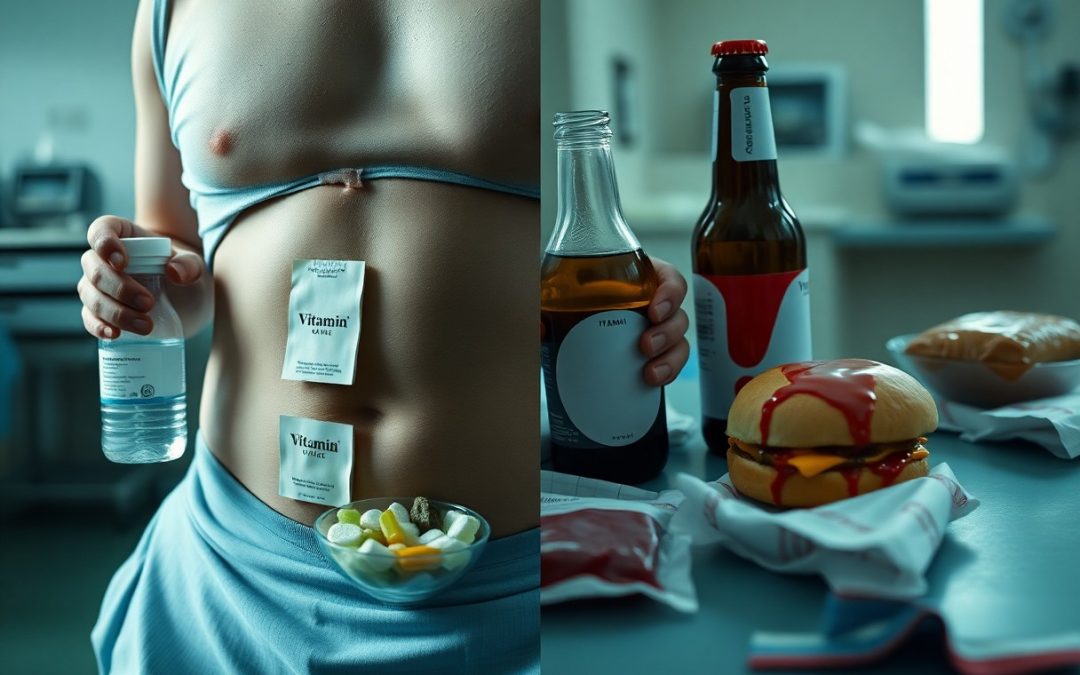
Recovery from cosmetic surgery depends heavily on the choices you make before and after the procedure. Your diet, activity level, sleep patterns, and habits like smoking or alcohol use directly influence healing speed and final outcomes. Making informed, healthy decisions enhances your body’s ability to repair and deliver the results you desire.
The Toll of Tobacco
You already know smoking harms your lungs, but it also sabotages your body’s ability to heal after cosmetic surgery. Tobacco restricts blood flow, depriving tissues of oxygen needed for recovery. This increases the risk of complications like infections, poor scarring, and tissue death, especially in procedures involving skin flaps or tight closures. Quitting well before surgery improves circulation and boosts your chances of optimal results.
Spirits and Swelling
Alcohol increases inflammation and delays healing after cosmetic surgery. You may notice more swelling and bruising if you drink during recovery. It also interferes with medications and can raise the risk of complications. For the best results, avoid alcohol for at least two weeks before and after your procedure.
The Discipline of Rest
Rest is your body’s primary tool for healing after cosmetic surgery. Your cells regenerate most efficiently when you allow uninterrupted sleep and limit physical strain. Pushing through fatigue can delay swelling reduction and compromise final outcomes. You need consistent downtime to support circulation, minimize inflammation, and let tissues reshape as intended. Prioritize quiet hours over productivity during the first weeks.
Proper Sustenance
Your body relies on balanced nutrition to repair tissues and fight infection after surgery. Eating adequate protein, vitamins, and minerals speeds healing and supports skin regeneration. Skipping meals or relying on processed foods slows recovery and may compromise your results. Stay hydrated and prioritize whole foods to give your body what it needs during this critical phase.
The Danger of the Sun
Exposure to sunlight can seriously compromise your healing process after cosmetic surgery. UV rays increase inflammation and may cause hyperpigmentation, especially in treated areas. You must avoid direct sun on healing scars, even if they seem minor. Always wear protective clothing and use broad-spectrum sunscreen once your surgeon approves. Skipping protection could mean visible discoloration or delayed healing.
Small Movements
Your body heals best when circulation stays active, even after surgery. Short, gentle walks each day help prevent complications like blood clots and reduce swelling. Avoid strenuous activity, but don’t stay completely still. Movement stimulates recovery without straining healing tissues. You’ll feel stronger sooner by staying lightly active.
Final Words
On the whole, your lifestyle habits directly influence how quickly you heal and how well your cosmetic surgery results turn out. Smoking slows tissue repair, poor nutrition weakens your immune response, and lack of rest prolongs swelling. Staying active within safe limits, eating balanced meals, and following your surgeon’s instructions improve outcomes. Your choices before and after surgery shape the final result.