
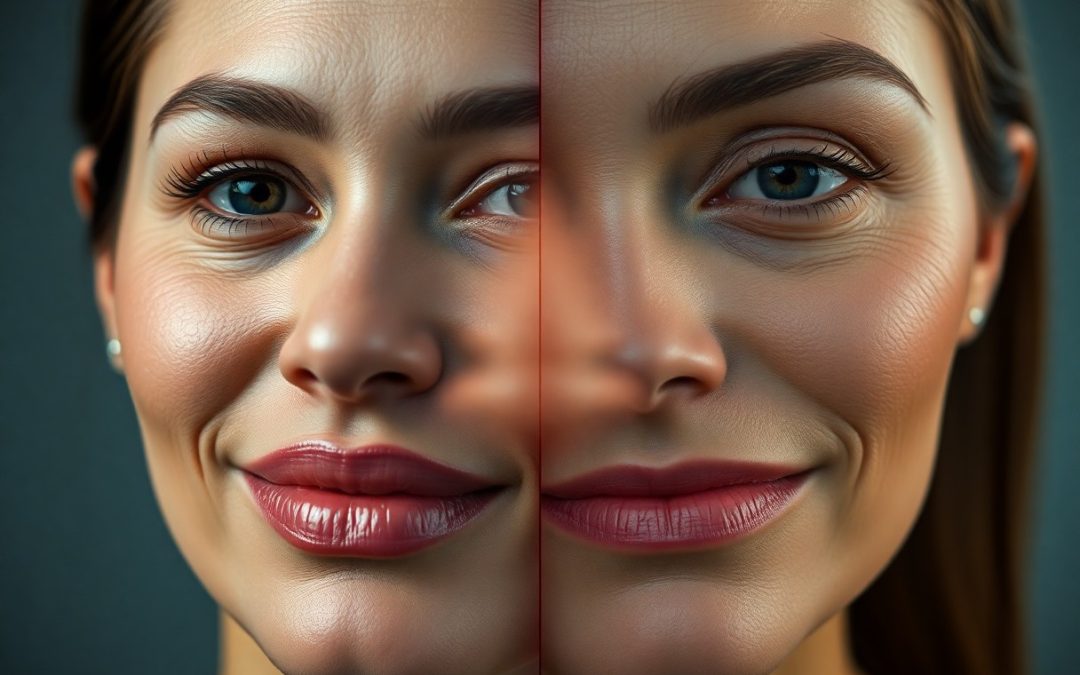
Many people seek cosmetic enhancements to feel more confident, but subtle changes often yield the best results. You can spot overdone surgery through unnatural features, excessive tightness, or facial imbalance. Knowing the signs helps you make informed choices, choose skilled surgeons, and prioritize natural-looking outcomes that enhance your unique appearance without drawing attention to the work itself.
Recognizing the Clinical Signs of Over-Correction
You may notice subtle cues that hint at excessive intervention. A face that appears frozen or asymmetrical often signals overdone work. Your eye naturally detects imbalance when expressions seem forced or unnatural. These clinical markers-often missed at first glance-reveal when correction has gone too far.
Facial distortion and loss of natural animation
Your smile should light up your eyes, not pull your brows into unnatural peaks. When facial muscles can’t move freely, the result is a mask-like appearance. You lose the small shifts in expression that make emotion genuine. This stiffness often stems from too much filler or aggressive lifting.
The “pulled” look and skin texture irregularities
Your skin should drape naturally over your features, not appear stretched or taut. A tight, windblown appearance often follows aggressive facelifts. You might also see dimpling, puckering, or uneven texture where tension disrupts normal contours. These signs betray an outcome that prioritizes tightness over authenticity.
When skin is pulled too tightly during a facelift, it can create unnatural tension across the face, especially near the temples, jawline, or neck. You may notice visible creasing or a “shiny” tightness that makes the skin look thin and fragile. Scar tissue can form under the surface, leading to lumps or irregular movement when you talk or smile. This often happens when the focus shifts from harmony to maximum lift, sacrificing natural structure for dramatic change. You’re left not with youth, but with a version of your face that no longer moves like you.
Primary Factors That Lead to Unnatural Results
- Excessive use of dermal fillers and “filler fatigue”
- Over-resection of tissue in surgical lifting procedures
Perceiving subtle signs of imbalance helps you make informed choices that preserve natural facial harmony.
Excessive use of dermal fillers and “filler fatigue”
You may notice puffiness, asymmetry, or a rigid appearance when too much filler accumulates over time. Repeated injections without allowing tissue recovery lead to distorted contours, especially around the lips and cheeks. Your face loses its natural movement and definition, appearing swollen rather than refreshed.
Over-resection of tissue in surgical lifting procedures
You risk a tight, windblown look when too much skin or underlying tissue is removed during a facelift. This over-tightening creates unnatural tension, distorting facial features like the brows or lips. The result often lacks expression and ages poorly over time.
Surgical precision matters most when removing tissue during a lift. Pulling too aggressively or excising excess skin disregards how facial structures naturally drape and shift with age. You end up with visible pulling at the hairline or jaw, an expressionless face, or irregular contours that draw attention instead of reducing it. Skilled surgeons preserve structural integrity while achieving lift, ensuring results look refreshed-not stretched.
How to Select a Surgeon with a Conservative Philosophy
Choosing the right surgeon begins with identifying one whose aesthetic aligns with natural-looking results. You want someone who enhances your features rather than overhauling them. Look for practitioners who emphasize balance, proportion, and restraint in their approach, and don’t hesitate to ask directly about their philosophy during consultations.
Analyzing portfolios for subtle, age-appropriate transformations
Reviewing a surgeon’s before-and-after photos lets you see their handiwork in real cases. Focus on patients with facial structures similar to yours and assess whether their results appear refreshed, not reshaped. Natural outcomes maintain facial expression and avoid extreme tightness or frozen features.
Verifying board certifications and specialized expertise
Board certification ensures a surgeon meets rigorous training and safety standards. Confirm they are certified by a recognized body like the American Board of Plastic Surgery. Specialization in facial or aesthetic surgery often indicates deeper experience with nuanced, conservative techniques.
Board certification isn’t just a credential-it reflects years of structured training and adherence to ethical practice. When you verify a surgeon’s certification through official databases, you confirm they’ve passed standardized exams and maintain ongoing education. Surgeons focused on aesthetic refinement typically highlight their credentials transparently and are affiliated with reputable hospitals or surgical centers.
Essential Tips for Communicating Your Aesthetic Goals
- Be honest about your concerns and desired outcomes
- Ask questions if a procedure or result seems unclear
- Use visual references to clarify your expectations
- Listen to your surgeon’s professional input
The clearer you are, the better your results will align with your vision.
Using reference photos to define “natural” boundaries
Bring photos of faces you admire to illustrate your ideal look. Focus on features, not celebrity status. This helps your surgeon understand your definition of natural enhancement. The visual guide creates a shared language for subtle, balanced results.
Establishing a clear “less is more” treatment plan
Start with minimal interventions and assess changes over time. Resist the urge to address every concern at once. Small, strategic adjustments often yield the most convincing outcomes. The goal is refinement, not reinvention.
Building a conservative treatment timeline allows your face to adapt naturally to changes. Your surgeon may recommend spacing procedures by months to evaluate healing and symmetry. This approach reduces risk, supports realistic healing, and maintains facial harmony. The focus stays on subtle improvement, not dramatic transformation.
How to Avoid the “Pillow Face” and “Cat Eye” Trends
You can sidestep the overinflated look of “pillow face” and the stretched appearance of “cat eye” lifts by choosing subtle, anatomically appropriate enhancements. Focus on refinement, not transformation, and work with a board-certified specialist who values natural contours over viral trends.
Prioritizing facial harmony over social media fads
Your face is unique, and balance matters more than fitting a fleeting ideal. Instead of mimicking influencers, seek treatments that enhance your natural structure-soft volume, proportionate features, and symmetry create lasting appeal without sacrificing authenticity.
Understanding the risks of chasing temporary beauty standards
Chasing trends can lead to irreversible changes that age poorly or clash with your natural features. What looks popular today may seem exaggerated or outdated in just a few years, leaving you with results you didn’t anticipate.
Temporary beauty standards often emerge from filtered images and short-lived social media cycles, not medical or aesthetic principles. When you base decisions on these trends, you risk undergoing procedures that compromise facial function or require corrective treatments later. Repeated filler use or aggressive eyelid surgery, for example, can alter facial movement, create distortion, or accelerate tissue strain. Your goal should be timelessness, not trendiness-choosing enhancements that align with your bone structure and skin elasticity ensures results that look natural today and age gracefully tomorrow.
Critical Factors in Long-Term Maintenance and Prevention
Consistency in skincare and routine check-ins with your provider shape lasting results.
- Stick to a personalized skincare regimen
- Schedule periodic professional evaluations
- Protect your skin daily with broad-spectrum SPF
- Stay hydrated and maintain a balanced diet
Recognizing subtle shifts in your appearance helps you respond before corrections become complex.
Implementing a gradual approach to anti-aging
You achieve the most natural outcomes by spacing treatments over time. Small, timed interventions preserve facial harmony and prevent overcorrection. Your face ages slowly-your care plan should match that pace, adjusting only as needed with aging.
Recognizing when to stop or seek revision consultation
You notice stiffness, asymmetry, or a loss of expression when you review your reflection. These signs don’t always mean something went wrong-sometimes, they signal it’s time to pause. Your face still changes with age, and past results may no longer fit your look.
Summing up
The signs of overdone cosmetic surgery-unnatural features, asymmetry, or a frozen appearance-often stem from prioritizing trends over subtlety. You achieve balanced results by choosing experienced professionals, communicating realistic goals, and focusing on enhancement, not transformation. Your face should still look like you, just refreshed.