
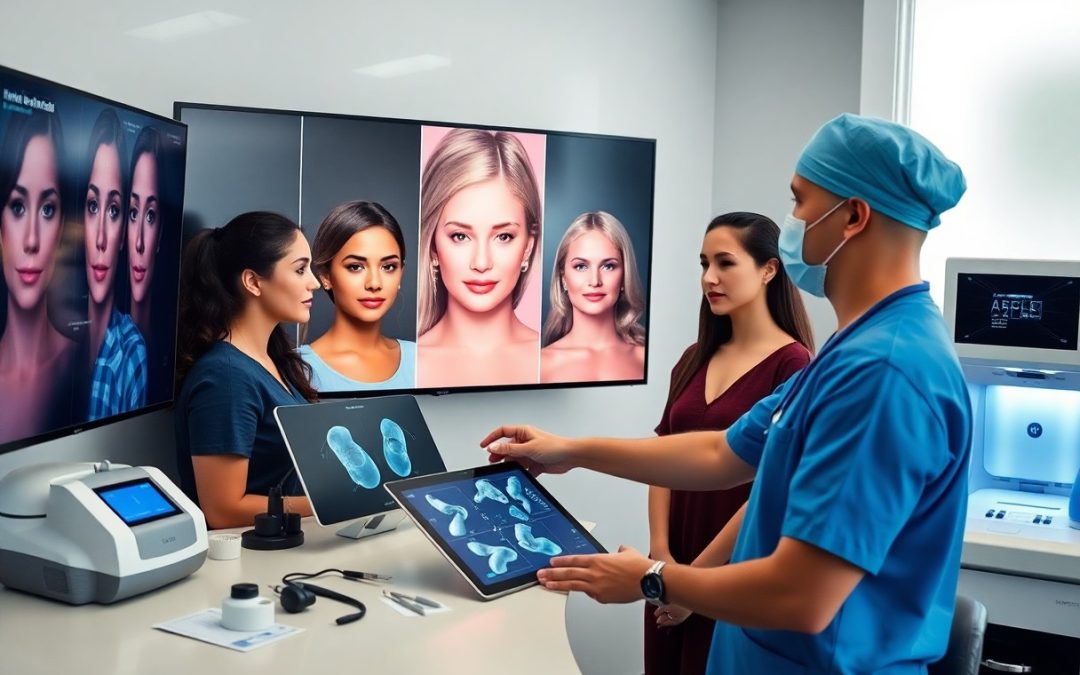
Just as technology and cultural attitudes evolve, so do your expectations in cosmetic surgery. Minimally invasive procedures, personalized treatments, and faster recovery times are reshaping what you seek from aesthetic care. You now demand natural results, transparency, and long-term value, pushing clinics to adapt with precision, education, and advanced techniques tailored to individual goals.
The Prejuvenation Tipping Point
You’re entering a new phase of aesthetic care where prevention shapes your choices. Early interventions are no longer exceptions-they’re expectations. With subtle treatments starting in your late twenties or early thirties, the goal isn’t to fix, but to forestall. This shift reflects a broader cultural embrace of proactive self-care.
Shifting the Timeline of Aesthetic Entry
Age is no longer the gatekeeper it once was. You’re beginning treatments earlier, not because you show signs of aging, but because you want to delay them. Injectable maintenance, laser therapies, and prescription topicals now enter your routine years ahead of visible decline, redefining when aesthetic care begins.
The Proactive Pursuit of Skin Integrity
Prevention defines your approach to skin health. You’re investing in treatments that strengthen collagen, improve elasticity, and shield against environmental damage long before wrinkles appear. This isn’t about chasing youth-it’s about preserving the integrity of your skin with science-backed consistency.
Your skin’s resilience starts with choices made today, not corrections tomorrow. You’re using targeted biostimulatory injectables, antioxidant infusions, and customized skincare regimens designed to reinforce dermal structure. These strategies aren’t reactive fixes-they’re long-term commitments to maintaining texture, tone, and firmness through deliberate, early action.
The Digital Mirror and Perceptual Distortion
You see yourself more often now than ever-through phone screens, video calls, and social media clips. This constant exposure reshapes how you perceive your appearance, often magnifying minor features into perceived flaws. The digital mirror doesn’t just reflect-it distorts, creating a skewed standard that influences your cosmetic goals.
Evaluating the Impact of Constant Self-Observation
You’re watching yourself in real time during calls, reviewing selfies instantly, and comparing angles repeatedly. This relentless self-scrutiny alters your self-image, making you hyper-aware of asymmetries and imperfections once unnoticed. Over time, normal variations begin to feel like defects worth correcting.
Correcting the Flaws Revealed by High-Definition Video
You notice fine lines, pores, and subtle irregularities more clearly under HD resolution, especially on video calls or recorded content. These details, often invisible in person, drive demand for minimally invasive treatments targeting texture, tone, and minute contours with precision.
High-definition video exposes nuances no casual glance ever could-light catches a shadow along your jawline, or a camera highlights uneven skin texture you never saw in the mirror. You seek treatments like laser resurfacing, microbotox, or dermal fillers not for dramatic change, but to align your real-world appearance with the polished version you believe you must present online. It’s no longer about looking good in person-it’s about looking flawless on screen.
The Pursuit of the Invisible Result
You’re no longer seeking dramatic transformations that draw attention. Instead, your goal is subtlety-enhancements that blend seamlessly with your natural features. The ideal outcome now is one that friends notice as “looking well-rested” rather than “looking operated on.”
Moving Away from Obvious Structural Changes
Your preferences are shifting from bold alterations to gentle refinements. You’re less interested in reshaping jawlines or dramatically reducing noses and more focused on balance and proportion. The aim is to look like a better version of yourself, not a different person.
The Cultural Valuation of Subtle Refinement
You’re part of a growing movement that prizes understated elegance over spectacle. Social media and celebrity culture now highlight fresh skin, symmetry, and harmony rather than exaggerated features. This shift reflects broader values of authenticity and wellness.
Today’s beauty ideals are shaped by influencers who appear polished without looking artificial. You see it in the rise of “no-makeup” makeup looks and minimally enhanced faces in advertising. This cultural shift rewards restraint, making subtle procedures like skin tightening, minor volume adjustments, and non-surgical lifts more desirable than ever. You’re not chasing perfection-you’re aiming for imperceptible improvement.
Technological Intermediaries in the Operating Suite
Smart imaging systems and AI-driven tools now act as silent partners during cosmetic procedures. You benefit from real-time feedback and enhanced visualization, allowing for adjustments with unprecedented accuracy. These technologies don’t replace skill-they refine it, transforming how outcomes are achieved in modern surgical environments.
Predictive Modeling and Virtual Outcomes
You can now preview your results before any incision is made. Advanced 3D simulations generate realistic post-procedure images based on your anatomy. This visual roadmap aligns expectations with achievable outcomes, reducing uncertainty and increasing confidence in the planned transformation.
Enhancing Precision Through Algorithmic Planning
Algorithms analyze anatomical data to guide incision placement, volume adjustments, and symmetry corrections. You receive a customized surgical blueprint that minimizes guesswork. This data-driven approach supports consistent, balanced results tailored to your unique structure.
Each patient’s anatomy presents subtle variations that challenge even the most experienced hands. By processing thousands of data points-from facial proportions to tissue elasticity-algorithmic planning identifies optimal surgical pathways. You gain the advantage of decisions grounded in pattern recognition and biomechanical modeling, allowing for refinements that align closely with natural contours. This level of detail doesn’t override artistry; it sharpens it, ensuring precision that complements aesthetic judgment.
The Expansion of the Aesthetic Demographic
You’re seeing more people from diverse age groups, backgrounds, and genders seeking aesthetic care. Cosmetic procedures are no longer limited to a narrow segment. As societal stigma fades, broader access and representation have reshaped who pursues-and feels entitled to-appearance enhancements.
Normalizing Cosmetic Maintenance for Men
Men now embrace routine aesthetic treatments as part of self-care, not vanity. You’re likely noticing increased interest in subtle refinements like skin resurfacing, jawline contouring, or hair restoration. These procedures support confidence without altering core identity.
Broadening the Definition of Masculine Beauty
Traditional ideals of ruggedness are giving way to a more nuanced view of male attractiveness. You’re witnessing men pursue procedures that enhance symmetry, refresh facial balance, or improve skin quality-goals once seen as outside conventional masculinity.
Today’s male patients seek sculpted brows, refined noses, or reduced under-eye hollows not to conform, but to align appearance with personal identity. You’re part of a shift where strength isn’t defined by stoicism, but by the confidence to pursue self-improvement on your own terms. Aesthetic choices reflect individuality, not insecurity.
The Efficiency Mandate in Modern Recovery
Recovery is no longer a passive phase but a designed experience shaped by patient priorities. You expect precision not just in surgery but in healing timelines, with protocols tailored to minimize downtime. Speed and predictability now define success as much as aesthetic outcomes.
Prioritizing Procedures with Minimal Disruption
Time away from work or social life feels like a luxury you’re unwilling to afford. You choose treatments that align with packed schedules, favoring same-day discharges and non-invasive techniques that fit seamlessly into your routine without extended recovery demands.
The Demand for Rapid Social Re-Entry
Your appearance post-surgery must reflect refinement, not recovery. You return to public life quickly, often within days, expecting no visible signs of intervention. This expectation pushes surgeons to refine techniques that reduce bruising, swelling, and telltale indicators of recent procedures.
Returning to social settings soon after surgery isn’t just about convenience-it reflects deeper cultural shifts in how appearance is managed and perceived. You’re not hiding changes; you’re revealing them at your chosen moment, confident that no one can detect the intervention. This pressure drives innovation in suture methods, laser protocols, and even preoperative skincare regimens designed to accelerate healing. Surgeons now plan incisions and recovery paths with your next Zoom call or dinner party in mind, ensuring you reappear polished and unchanged-yet undeniably enhanced.
To wrap up
To wrap up, you’re seeing a shift where personalized, minimally invasive procedures and faster recovery times shape your decisions. Advances in technology and greater access to information mean you expect natural-looking results with lower risk. Social media and celebrity influence also play a role in setting new standards. Your expectations are no longer just about appearance-they reflect safety, precision, and individualized care.