
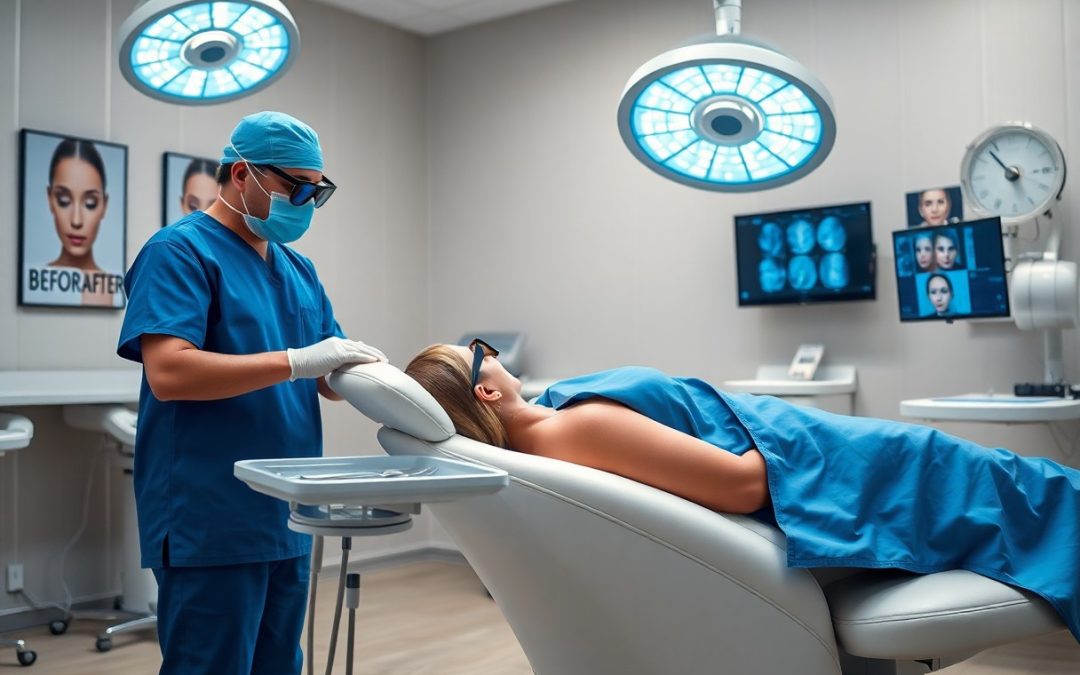
Balance guides you toward facial and bodily harmony through expert surgical planning and clear discussion of anatomy, risks, and likely outcomes, enabling informed decisions that strengthen self-image and everyday comfort.
The Psychology of Aesthetic Enhancement
Psychology shows how targeted changes can shift your self-image and social confidence, helping you present a balanced sense of self.
Impact of Physical Transformation on Self-Esteem
Changes to your appearance can reduce self-consciousness, increase social ease, and support clearer self-perception.
Achieving Psychological Balance through Symmetry
Symmetry in facial proportions shapes how others read you and can restore internal visual harmony, easing daily self-awareness.
Consider how subtle adjustments to symmetry-aligning jawline, refining nasal contours, or balancing brow position-alter mirror reflections and photographic impressions, so you experience less self-critique and more consistent social comfort. These changes often lower the cognitive burden of appearance monitoring, allowing you to direct attention toward personal and professional goals.

Facial Procedures for Harmonic Proportion
Facial refinement balances proportions through targeted contouring, fat grafting, and soft-tissue adjustments so you achieve harmonious symmetry that complements your bone structure and facial expressions.
Rhinoplasty and Structural Alignment
Nasal reshaping aligns the bridge, tip, and septum to restore proportion and breathing, giving you a stable foundation that integrates smoothly with other facial planes.
Rejuvenation Techniques for Natural Contours
Volume restoration, skin tightening, and selective lifting refine contours so you maintain natural movement and expression while subtle improvements redefine facial balance.
You should discuss filler, microfat transfer, and bioresorbable threads as complementary options; your surgeon layers treatments to restore youthful volume, tighten lax tissue, and smooth transitions without restricting expression. Preoperative mapping, conservative placement, and staged sessions minimize downtime and support lasting, natural contours that age gracefully with you.
Advanced Body Contouring and Sculpting
Advanced techniques refine your silhouette through precise fat removal, targeted grafting, and individualized plans so you achieve balanced proportions and renewed confidence.
- High-Definition Liposuction
- Fat Grafting and Transfer
- Body Lift and Skin Tightening
- Combination Procedures for Symmetry
Key Procedures and Benefits
| Procedure | Benefit |
|---|---|
| Liposuction (HD) | Refines contours, reveals muscular definition |
| Fat Grafting | Restores volume and smooths transitions |
| Body Lift | Removes excess skin, improves proportion |
| Abdominoplasty | Repairs core, tightens abdominal wall |
High-Definition Liposuction for Aesthetic Balance
High-definition liposuction sculpts your torso to reveal muscle contours while maintaining natural lines and reducing irregularities for harmonious balance.
Abdominoplasty and Core Restoration
Abdominoplasty repairs separated muscles and removes excess skin so you regain a firmer core, improved posture, and better garment fit.
You will review muscle plication, scar placement, and adjunct liposuction with your surgeon; recovery generally involves 4-6 weeks of activity modification, staged return to exercise, and scheduled follow-up to assess healing and restore core strength and function.
Breast Surgery: Volume and Silhouette
Breast surgery refines volume and silhouette to align with your body proportions and goals, combining implants, fat grafting, and tissue tailoring to achieve a natural, balanced profile.
Augmentation Strategies for Proportional Results
Options for augmentation are chosen based on your frame, chest width, and lifestyle; your surgeon will recommend implant type, placement, and incision to deliver proportionate, long-lasting results while minimizing visible scarring.
Reconstruction and Symmetry Correction
Techniques for reconstruction restore breast form after illness or trauma, helping you regain symmetry through staged procedures, flap or implant options, and meticulous contouring to match the opposite side.
Surgeons assess tissue quality, scar patterns, and your personal goals to tailor reconstruction-using microsurgical flaps, implants, or fat transfer-to rebuild shape while prioritizing symmetry and functional comfort.
Safety Standards and Surgical Excellence
Clinics meeting rigorous accreditation and surgical protocols protect you through standardized sterilization, staff training, and perioperative monitoring that lower complications and support predictable outcomes.
Criteria for Selecting Board-Certified Surgeons
Assess surgeon credentials, board certification, complication rates, before-and-after portfolios, and patient reviews to ensure you choose a practitioner with verified expertise and ongoing surgical education.
Understanding Clinical Risk Management
Protocols outline preoperative screening, clear consent, intraoperative safety checks, and postoperative follow-up that help you anticipate, reduce, and respond to complications.
You should expect comprehensive risk assessment covering your medical history, comorbidities, and medication interactions, plus realistic outcome counseling. Preoperative optimization, strict infection control, standardized checklists, and immediate access to critical care help prevent or manage complications, while transparent outcome reporting clarifies how risks are tracked and addressed so you can decide with confidence.
Post-Operative Care and Long-Term Results
Aftercare requires you to follow your surgeon’s instructions, protect incisions, manage swelling with ice and elevation, and attend scheduled follow-ups so results mature predictably over months while complications are identified early.
Essential Protocols for Optimal Recovery
Follow post-op protocols by taking prescribed medications, resting adequately, avoiding smoking and strenuous activity, wearing compression garments, keeping incisions clean, and contacting your team at the first sign of infection or unexpected pain.
Maintaining Aesthetic Balance Post-Surgery
Assess your facial or body proportions as swelling subsides, and discuss modest refinements or non-surgical touch-ups to maintain symmetry while aligning results with your personal aesthetic goals.
Plan postoperative evaluations at set intervals so you and your surgeon can track healing, address asymmetries conservatively, and consider staged treatments such as dermal fillers or laser therapy once tissues settle; maintain stable weight, sun protection, and consistent skincare to preserve contours and long-term results.
To wrap up
With these considerations you can choose professional cosmetic surgery that balances aesthetic goals with safety, ensuring you regain confidence and practical outcomes. Consult qualified surgeons, weigh realistic expectations, and follow recovery plans to protect your health and satisfaction.