

You may wonder whether undergoing multiple surgical procedures at once is a safe option for your health. Combining surgeries can be convenient, potentially reducing overall recovery time and costs, but it also raises important questions about risks and complications. Understanding the factors that influence the safety of simultaneous procedures is vital for making informed decisions about your care. In this blog post, we will explore the considerations surrounding combined surgeries and how to determine if it’s the right choice for you.
Understanding Combined Surgical Procedures
While the concept of combining surgeries may seem daunting, it can lead to more efficient treatment plans and faster recovery times. Understanding the benefits and risks associated with combined surgical procedures is important for you, as these factors could impact your decision-making process when discussing options with your healthcare provider.
Definition and Types
One common definition of combined surgical procedures is when two or more surgeries are performed simultaneously or in close succession. These procedures can vary widely, including:
- Orthopedic surgeries (e.g., hip replacement and knee surgery)
- Cosmetic surgeries (e.g., tummy tuck combined with liposuction)
- Gynecological surgeries (e.g., hysterectomy and ovarian cyst removal)
- General surgeries (e.g., gallbladder removal and hernia repair)
- Cardiac surgeries (e.g., bypass and valve replacement)
Thou will find that understanding the specifics of these combinations helps you make informed decisions.
| Type of Surgery | Examples |
| Orthopedic | Hip and knee surgeries |
| Cosmetic | Tummy tuck and liposuction |
| Gynecological | Hysterectomy and ovarian cyst removal |
| General | Gallbladder and hernia repair |
| Cardiac | Bypass and valve replacement |
Common Combinations of Surgeries
Beside what has been described, certain combinations of surgeries tend to be more common than others among patients seeking multiple interventions. Knowing these combinations will help you gauge potential options your doctor might propose during your surgical journey.
Common pairs of surgeries might include orthopedic interventions, where procedures like knee replacements are combined with hip surgeries to save time and mitigate repeat anesthetic exposure. Similarly, in cosmetic procedures, it’s frequent to see patients opting for simultaneous tummy tucks and liposuction. Each combination presents unique benefits tailored to your health needs, making it imperative that you discuss the best options with your healthcare provider.
Risks and Benefits of Combining Surgeries
There’s a delicate balance between the risks and benefits of combining surgeries. While performing multiple procedures in one session can lead to a more efficient recovery and lower overall costs, it can also increase the potential for complications. You should weigh these factors carefully with your healthcare provider to ensure that your specific health needs and circumstances are adequately addressed.
Potential Complications
Among the potential complications of combining surgeries are increased blood loss, longer anesthesia exposure, and heightened risk of infection. Additionally, your recovery may be more complex, as you may experience overlapping symptoms from multiple procedures. Discuss these risks with your surgeon to understand what they mean for your specific situation.
Advantages for Patients
For patients, there are notable advantages to having multiple surgeries at once. This approach can significantly reduce the total recovery time, allowing you to return to your daily activities more swiftly. It may also minimize the total number of anesthesia administrations, which can lower some associated risks.
Even more compelling is the potential for financial savings. By combining surgeries, you might incur lower overall costs, as you pay for one operating room visit, anesthesia, and recovery time instead of multiple separate procedures. Additionally, by addressing your health concerns in a single surgical time frame, you can significantly decrease the emotional and physical stress of undergoing multiple recoveries.
Patient Considerations
Now, when contemplating multiple surgical procedures, it is imperative to evaluate your unique circumstances. Factors such as your overall health, the types of surgeries being considered, and your potential recovery process should guide the decision-making. Consulting with your healthcare provider can help you understand the risks and benefits related to your specific situation, ensuring that your safety is prioritized.
Health Status and Medical History
One of the most important aspects to consider is your underlying health status and medical history. If you have pre-existing conditions, such as heart disease or diabetes, these may complicate your surgery. Discussing your complete medical history with your surgeon can help them assess whether combining procedures is appropriate for you, taking into account any associated risks.
Age and Recovery Capacity
Among the various factors affecting surgical outcomes, your age and recovery capacity play significant roles. As you age, your body might take longer to heal, and the risk of complications can increase. Understanding your body’s ability to recover from multiple procedures will help you and your healthcare team make a more informed decision that aligns with your health goals.
To improve your recovery capacity, it’s beneficial to focus on maintaining a healthy lifestyle before and after surgery. This includes engaging in regular physical activity, eating a balanced diet, staying hydrated, and managing stress. Being proactive can not only enhance your recovery but may also minimize complications associated with undergoing multiple surgeries at once. Your healthcare provider can provide tailored guidance based on your age, physical condition, and treatment plan.

Surgeon’s Perspective
Your surgeon plays a vital role in determining the safety and success of combining surgical procedures. They evaluate your specific health conditions and surgical needs while considering factors such as anesthesia risks and recovery times. Open communication with your surgeon helps ensure that you understand the potential benefits and drawbacks of undergoing multiple procedures simultaneously.
Experience and Specialization
About the surgeon’s experience, it is important to choose a specialist who has a proven track record in performing the specific procedures you need. An experienced surgeon not only recognizes potential complications but also possesses the skills to manage them effectively. Their expertise can significantly impact your surgical outcome and overall safety during combined surgeries.
Surgical Techniques and Technology
To ensure a successful outcome when combining surgeries, advancements in surgical techniques and technology play a significant role. Minimally invasive approaches, enhanced imaging tools, and improved anesthetic methods are examples of innovations that can reduce recovery time and complications. These developments allow surgeons to perform more complex procedures safely and effectively, improving patient satisfaction.
Due to these advancements, many surgeons can now perform multiple procedures in a single session, which leads to shortened total recovery time. Enhanced surgical techniques, such as laparoscopic surgery, allow for smaller incisions and reduced trauma to surrounding tissues. With state-of-the-art technology, surgeons can monitor your vital signs more closely, ensuring that any potential risks are addressed immediately during the operation. This not only improves safety but can also reduce scarring and pain post-surgery, ultimately contributing to a smoother recovery process for you.
Case Studies and Research Findings
Despite the varying opinions on combining surgical procedures, numerous case studies and research findings provide insights into their safety and outcomes. Notable examples include:
- Study A: 200 patients underwent simultaneous surgeries with a complication rate of 5%.
- Study B: 150 patients experienced reduced recovery time when two procedures were performed concurrently.
- Study C: A review of 500 cases showed no significant increase in risk for combined surgeries compared to single procedures.
- Study D: Meta-analysis of 1,000 surgeries indicated a 4% readmission rate for those who had multiple surgeries.
Evidence from Clinical Trials
With clinical trials focusing on combined surgeries, findings often show that carefully selected patients experience benefits without significantly elevated risks. Trials have indicated that when appropriate selection criteria are met, the overall success rate remains promising.
Real-World Outcomes
Research into real-world outcomes further illustrates the implications of undergoing multiple procedures. The data suggests that patients who opt for combined surgeries often experience similar or improved outcomes compared to traditional single surgeries. Patient satisfaction rates also remain high, indicating that for many, combining procedures can lead to a more efficient recovery process.
The statistics show that patients have reported excellent results, with many experiencing fewer hospital visits and faster return to regular activities. Actual follow-ups over several months have demonstrated that when multiple procedures are strategically combined, it can lead to a comprehensive approach to your health, enhancing both physical and emotional well-being during recovery.
Guidelines for Safe Combination Procedures
Many healthcare professionals recommend adhering to established guidelines when considering combination procedures. These guidelines often include a thorough evaluation of the patient’s health, the complexity of the surgeries, and the potential for complications. It is necessary to assess each patient’s unique situation and tailor the approach to maximize safety while achieving optimal outcomes.
Preoperative Assessments
Across various healthcare settings, preoperative assessments are vital to determine your suitability for combining surgeries. These assessments generally include a comprehensive medical history, physical examination, and necessary diagnostic tests. Engaging in this meticulous evaluation process ensures that any underlying conditions are identified, which may influence the safety and effectiveness of the planned procedures.
Intraoperative Strategies
Below are some recommended intraoperative strategies that support the safe execution of combination surgeries. Effective communication among the surgical team, standardized protocols, and careful monitoring of your vital signs can significantly enhance safety during the procedures.
Assessments of your vital parameters continuously throughout the surgery help to identify any changes that may indicate potential complications. Additionally, the surgical team can implement effective time management to minimize anesthesia exposure and reduce recovery time. By employing tailored surgical techniques and maintaining a collaborative environment, the team can optimize the safety and efficacy of the combined procedures.
Summing up
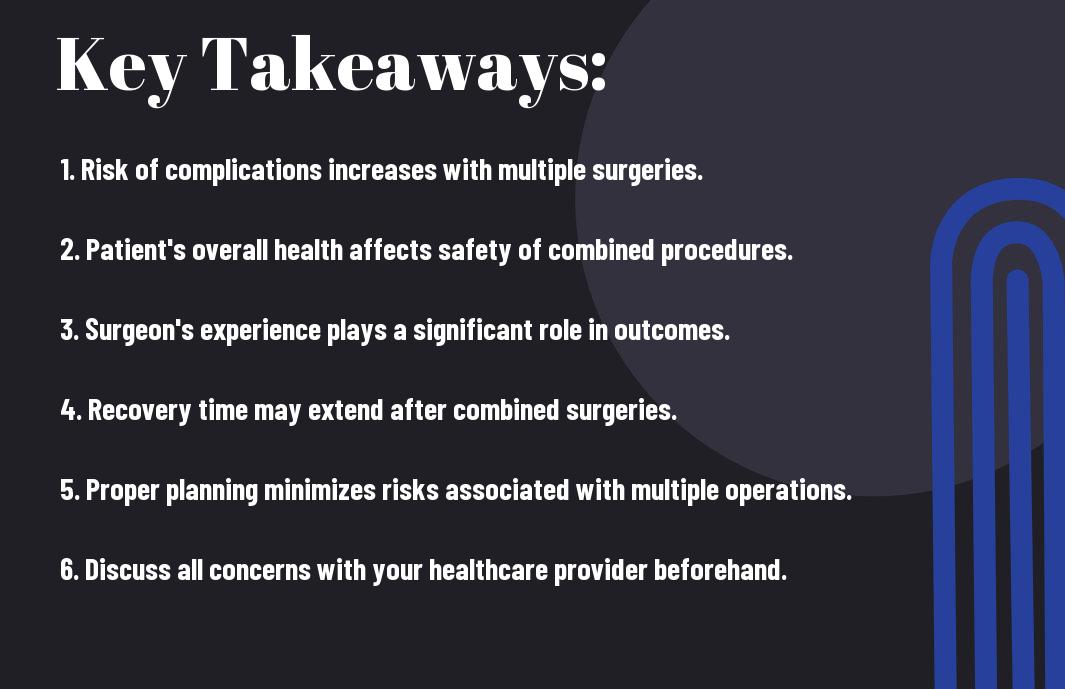
Ultimately, while combining procedures can offer benefits such as reduced recovery time and lower overall costs, it is necessary to weigh these advantages against the potential risks involved. You should consult with your surgeon to thoroughly understand your specific health conditions, the nature of the procedures, and how they may interact. Your safety and optimal recovery should always come first, so being well-informed will help you make the best decision for your unique situation.