

Many individuals seek cosmetic surgery not just for physical transformation, but also to enhance their self-esteem and emotional well-being. This intersection of art and medicine requires a delicate balance of aesthetic understanding and clinical expertise. As you explore the nuances of cosmetic procedures, you’ll discover how skilled surgeons apply artistic principles to create harmonious and natural-looking results, ultimately shaping your body and boosting your confidence. Understanding this interplay can empower you to make informed decisions about your aesthetic journey.
The Aesthetic Principles That Guide Cosmetic Surgery
In cosmetic surgery, aesthetic principles are fundamental to achieving results that are not only pleasing but also harmonious with your overall appearance. By adhering to established guidelines in shape, color, and dimension, surgeons create enhancements that align with your personal beauty goals. These principles help ensure that results appear natural and enhance rather than detract from your existing features.
Balancing Symmetry and Proportion
Symmetry plays a pivotal role in beauty, and cosmetic surgery often aims to create a more balanced appearance. This involves assessing your unique facial and bodily proportions to ascertain areas that require enhancement or adjustment. Achieving this balance ensures that subtle changes contribute to a more aesthetically pleasing overall look.
The Role of Design in Surgical Planning
Design in surgical planning is about creating a tailored approach to your desired outcomes. Surgeons analyze your features, considering elements such as proportion, contour, and anatomical structure. Advanced imaging techniques allow visualization of potential results, ensuring that each intervention aligns with your vision and anatomical realities.
In practice, this design approach means that before any scalpel touches skin, your surgeon will meticulously map out the surgical plan. They may employ 3D imaging technology to simulate outcomes, allowing you to visualize changes and refine your preferences. This attention to detail leads to bespoke solutions that advocate your individuality, ultimately ensuring that the cosmetic enhancements resonate with your intrinsic aesthetic values, while factors like skin elasticity and bone structure are taken into account for optimal results.

Artistic Techniques in Surgical Procedures
Effective cosmetic surgery harmonizes technical skill with artistic vision, allowing surgeons to tailor procedures for optimal results. Techniques such as fat grafting and tissue repositioning require not only surgical knowledge but also an acute sense of aesthetics, enabling you to achieve results that enhance your natural features while maintaining a harmonious balance. The surgeon’s ability to conceptualize the final outcome before beginning the procedure is fundamental in realizing your desired look.
Sculpting with Precision: The Surgeon as an Artist
Every incision and suture is a stroke of a brush for a skilled cosmetic surgeon, who must translate your vision into reality. Surgeons employ artistic techniques to sculpt facial and body features with incredible precision, considering lines, angles, and proportions that ensure results are not only transformative but also natural. This expertise enables them to achieve seamless results that blend beautifully with your unique anatomy.
Color and Texture: Enhancing Natural Beauty
The subtle interplay of color and texture is necessary in cosmetic surgery, influencing how your features are perceived. Surgeons strategically enhance contrast and smoothness during procedures to complement your skin tone and texture. This nuanced approach brings a lifelike quality to your appearance, ensuring enhancements do not overshadow your unique attributes.
Attention to color and texture not only enhances aesthetic appeal but also plays a significant role in creating a natural look post-surgery. For instance, precise skin-tone matching during grafting or injectables prevents unnatural contrasts that may arise from poor color assessment. Techniques such as dermal fillers utilize specific shades to recreate volume, while textured implants can mimic the softness of natural tissue. By focusing on these elements, your surgeon adeptly bridges the gap between artistry and medicine, delivering results that resonate with your individual beauty.
The Psychological Impact of Cosmetic Enhancements
Cosmetic enhancements often have profound psychological effects, reshaping how individuals perceive themselves and interact with the world. The choice to undergo a cosmetic procedure can stem from a desire for improvement in self-esteem, as you seek to match your external appearance with your internal sense of identity. Positive changes can lead to improved mental well-being, but they can also bring challenges, as altering aspects of your appearance might require emotional adjustment to new societal perceptions and standards of beauty.
Boosting Confidence Through Artistic Transformation
Artistic transformation through cosmetic surgery can significantly elevate your confidence levels. When you pursue aesthetic changes that resonate with your personal ideals, the results can foster a stronger self-image. As you witness the positive reflections in mirrors and social interactions, the newfound confidence often manifests in various life aspects, empowering you to engage more fully in personal and professional pursuits.
The Emotional Aftermath: Adjusting Perceptions of Beauty
Adjusting to new perceptions of beauty after cosmetic surgery can be a complex emotional journey. You may find the initial excitement of your transformation intertwined with unexpected feelings. As you navigate through compliments and feedback, reassessing your relationship with beauty standards becomes vital. This period allows you to redefine beauty on your own terms, cultivating a healthier mindset that aligns more closely with your personal values and experiences.
As you embrace your post-surgery appearance, it’s common to encounter a mix of exhilaration and discomfort. The journey might challenge long-held beliefs about attractiveness, prompting introspection. Social feedback plays a significant role, pushing you to reevaluate your standards against others’ perceptions. Establishing a positive narrative around your transformation can be empowering, leading to a more authentic understanding of beauty—one that prioritizes individuality over conformity. This emotional process is vital for successfully integrating changes, helping you find peace with your new look while also fostering resilience against external pressures and expectations.
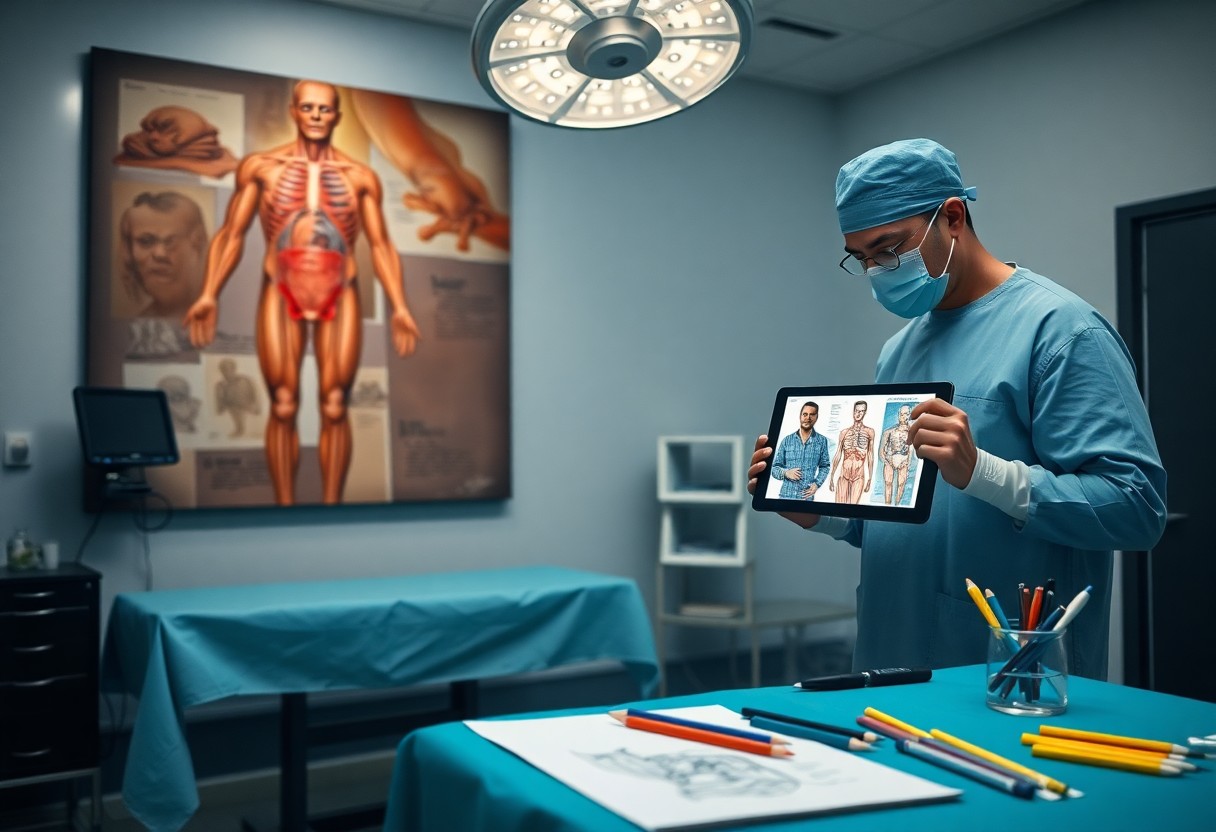
Ethical Considerations in Merging Art and Medicine
In cosmetic surgery, ethical considerations must guide every decision. Balancing patient desires with medical realities poses complex challenges. Surgeons must evaluate whether requested enhancements serve the patient’s well-being or stem from societal pressures. A clear understanding of these dynamics is vital for ensuring patient safety, avoiding exploitation, and fostering trust within the surgeon-patient relationship.
Navigating the Fine Line Between Enhancement and Alteration
You must consider the distinction between enhancement and alteration in cosmetic surgery. While enhancement seeks to improve existing features, alteration may transform a person’s appearance drastically, often leading to unexpected psychological consequences. This fine line requires careful deliberation and thorough discussions with your surgeon to align goals with realistic outcomes.
Cultural Influences on Aesthetic Standards and Surgical Choices
Aesthetic standards are heavily influenced by cultural factors. What one society deems beautiful may differ significantly from another’s perspective, impacting your choices and desires for cosmetic procedures. Recognizing these cultural influences can provide a deeper understanding of your motivations and expectations surrounding surgery.
Cultural narratives shape perceptions of beauty and consequently influence surgical decisions. For instance, in Western societies, ideals often gravitate toward slim figures and specific facial structures, pushing patients toward surgeries that conform to these standards. Conversely, in other cultures, fuller body types or distinct features may be celebrated, leading to differing preferences for enhancement. The globalization of beauty ideals through media further complicates matters, as you navigate a landscape of mixed messages and varied expectations based on cultural backgrounds. Understanding your cultural context can empower you to make informed choices that resonate with personal identity rather than societal pressure.
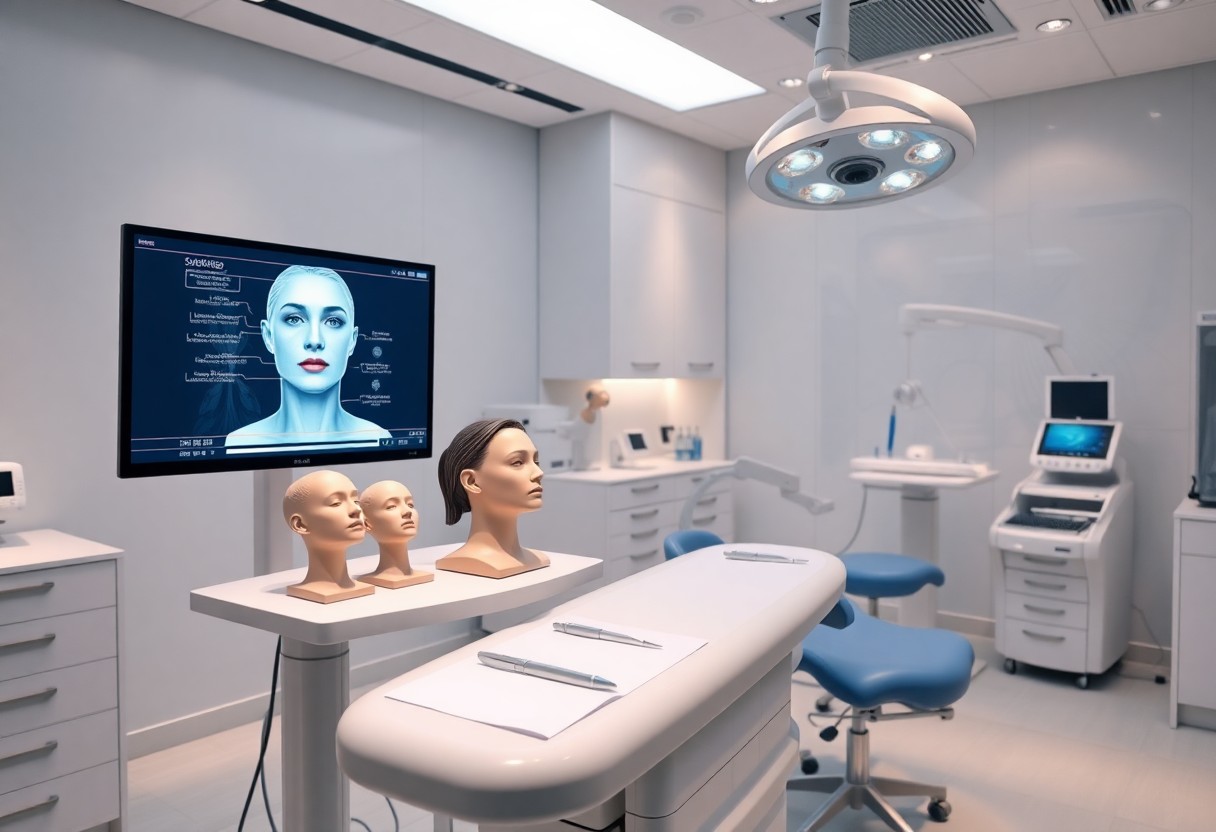
The Future of Cosmetic Surgery: A Synergy of Art and Technology
The convergence of advanced technology and artistic expertise is revolutionizing the landscape of cosmetic surgery. This dynamic relationship not only enhances surgical precision but also enables a more personalized approach, ensuring that your aesthetic desires are met with an unprecedented level of accuracy. Future innovations promise to redefine possibilities, offering you transformative outcomes that blend science and creativity seamlessly.
Innovations in 3D Modeling and Virtual Reality
Cutting-edge 3D modeling and virtual reality tools allow you to visualize potential surgical results before undergoing any procedure. These technologies create life-like simulations, offering you an immersive experience that helps clarify your expectations and enhances communication with your surgeon. As a result, you can make informed decisions tailored to your unique features and preferences.
The Role of Artificial Intelligence in Personalized Aesthetic Solutions
Artificial intelligence is becoming a game-changer in providing customized cosmetic surgery options that align with your individual aesthetic goals. AI algorithms analyze extensive data, including facial structures and skin types, to suggest tailored procedures that best suit your desires, ensuring outcomes that resonate with your vision.
Through deep learning models, AI can assess thousands of patient outcomes, identifying patterns that lead to successful results. By leveraging these insights, cosmetic surgeons can provide you with more accurate predictions on results based on your unique physiology and preferences. This personalized analysis significantly enhances your experience, allowing for custom-tailored approaches that prioritize both beauty and safety. With machine learning continuously evolving, the future of aesthetic medicine beckons a new era of bespoke solutions, putting you at the forefront of innovation.
Summing up
Now that you understand the intersection of art and medicine in cosmetic surgery, you can appreciate how aesthetic principles enhance surgical techniques to achieve desired outcomes. This synergy allows you to make informed decisions about your own procedures, ensuring that both your health and aesthetic goals are prioritized. By recognizing the artistry involved, you can better communicate your expectations and collaborate effectively with your surgeon, leading to a more satisfying experience and results tailored to your vision.