

Time plays a significant role in your recovery process, influencing how quickly you heal after an injury or surgery. Factors such as your age, overall health, lifestyle choices, and even psychological resilience can all contribute to these differences in recovery time. Understanding why recovery varies can empower you to take control of your healing journey, allowing you to make informed decisions that may enhance your recovery experience. In this post, we will probe into the various elements that impact recovery time and offer insights to help you navigate your individual situation.
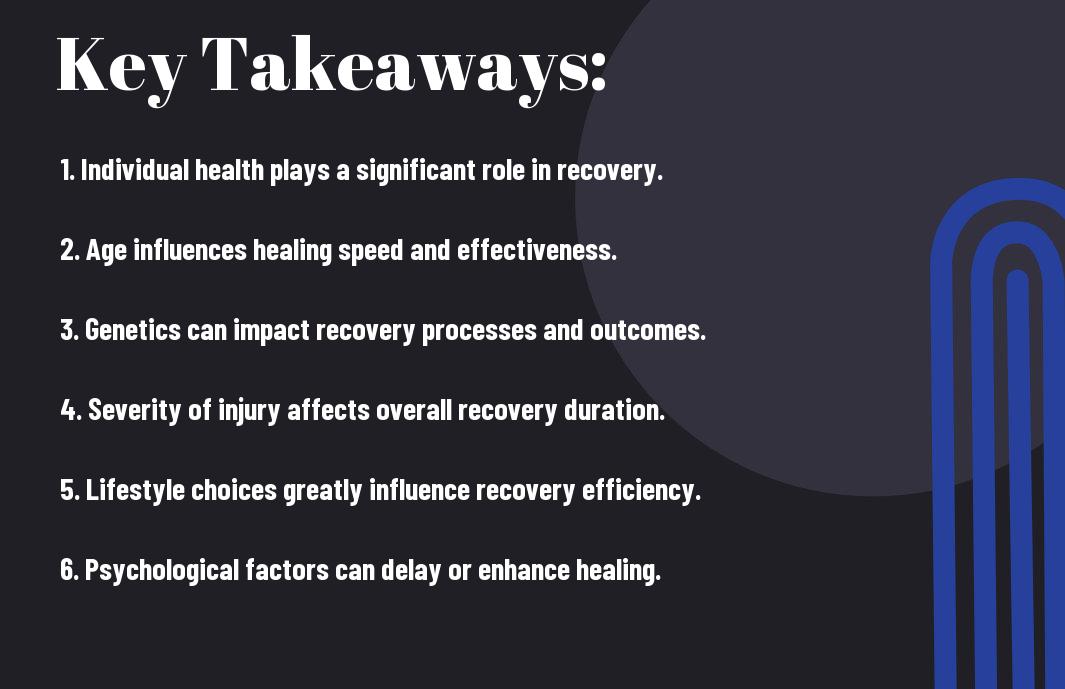
Factors Influencing Recovery Time
The recovery time for each individual can be influenced by several factors, including:
- Your age
- Your overall health status
- The specific type of injury or illness
- Access to effective treatment and rehabilitation
- Your lifestyle choices, including diet and exercise
Recognizing these factors can help you better understand your own recovery process.
Age and Health Status
The age and general health of an individual play significant roles in determining recovery time. As you age, your body may not repair itself as efficiently, and underlying health conditions can further complicate the healing process. A younger person with no health issues may experience a faster recovery compared to someone older with chronic ailments.
Type of Injury or Illness
Between different types of injuries or illnesses, the recovery time can vary dramatically. Less severe injuries, such as minor sprains, often heal quickly, while more serious issues, such as fractures or surgeries, require a longer rehabilitation period.
Type of injury or illness can significantly dictate how long it takes for you to recover. For instance, while a simple muscle strain might only take a few days or weeks to heal, a complex surgery will require a much longer timeframe, often followed by physical therapy. Additionally, the healing process can differ based on the body part affected; injuries to major joints or organs typically involve more extensive recovery efforts than minor cuts or bruises.
Psychological Aspects of Recovery
You may not realize that psychological factors play a significant role in your recovery process. Mental health, emotional support, and personal coping strategies can all influence how quickly and effectively you heal. Recognizing these aspects can help you better navigate your own journey toward recovery.
Mental Resilience
At the core of recovery is mental resilience, which refers to your ability to adapt to stress and adversity. Developing this quality can make a significant difference in how you face challenges during your recovery. Building a strong mindset allows you to bounce back from setbacks more effectively, enhancing your overall healing experience.
Support Systems
For many individuals, support systems significantly impact recovery outcomes. Friends, family, and mental health professionals offer emotional and practical assistance that can ease the burden during this time. Having positive relationships fosters an environment of encouragement and understanding.
Also, the quality of your support systems can vary widely. Some people find comfort in close friends or family members, while others benefit from professional therapy or support groups. Engaging with others who share similar experiences can provide valuable insights and help you feel less isolated. The more robust and diverse your support network, the better equipped you’ll be to navigate the challenges of recovery.
Lifestyle Choices
Many factors in your lifestyle can significantly influence your recovery time. Choices related to your daily routine, stress management, and overall health can dictate how quickly your body heals. When you prioritize healthy habits such as a balanced diet, adequate hydration, and proper sleep, you create an environment that supports efficient recovery. Conversely, poor lifestyle choices can prolong your healing process and hinder your overall well-being.
Nutrition and Hydration
Nutrition plays a vital role in your recovery. A well-balanced diet rich in vitamins, minerals, and antioxidants can enhance your body’s healing processes. Moreover, staying hydrated is equally important; adequate fluid intake helps maintain optimal cell function and aids in the elimination of waste products from the body. By paying attention to what you eat and drink, you can significantly impact your recovery time.
Exercise and Rest
Hydration is just one part of your recovery strategy. Adequate exercise combined with proper rest has the power to accelerate your healing. Engaging in light physical activity can promote blood flow, reducing stiffness and enhancing mobility, while rest ensures your muscles and tissues recover effectively. Balancing these two elements allows your body to replenish energy stores and repair itself more efficiently.
In addition, it’s important to tailor your exercise routine to your recovery needs. Low-impact activities, such as walking or stretching, can be beneficial without putting excessive strain on your body. Listening to your body’s signals is key; ensure you give yourself enough time to rest between workouts. By finding the right balance, you can help your body heal more rapidly and sustainably.
Medical Interventions
Keep in mind that the medical interventions you receive can significantly impact your recovery time. Procedures, such as surgeries or therapies, can vary greatly from one individual to another based on the complexity of the injury or condition, personal health history, and how well you respond to treatment. Tailored medical care can enhance recovery efficiency and improve outcomes, but it’s imperative to remain engaged and follow your healthcare provider’s recommendations throughout the process.
Rehabilitation Programs
Among the various factors influencing recovery time, rehabilitation programs play a vital role. These programs are customized to your specific needs and may include physical therapy, occupational therapy, or other specialized support. The intensity and duration of the program can either fast-track your recovery or extend it, depending on your commitment and your body’s response to the rehabilitation exercises.
Use of Medication
Along with physical rehabilitation, medications can also affect your recovery timeline. Medications may be prescribed to manage pain, reduce inflammation, or promote healing. The type, dosage, and duration of your medication regimen can either facilitate a quicker recovery or introduce delays, depending on how your body reacts to the treatment.
Medication plays a foundational role in your recovery process by addressing symptoms directly related to your condition. Pain relievers can help you engage more effectively in rehabilitation programs, while anti-inflammatory medications can reduce swelling and discomfort. It’s crucial to discuss any side effects or concerns with your healthcare provider, as these can influence your ability to follow through with prescribed therapies, subsequently impacting your recovery time.

Individual Differences
Once again, the path to recovery is influenced by a variety of individual differences that play a significant role in how quickly you heal. Factors such as age, physical condition, and personal resilience can affect your recovery timeline. Additionally, your lifestyle choices and support system are important in facilitating a smoother recovery process. These unique characteristics create a personal experience that varies from one individual to another, making recovery highly personalized.
Genetic Factors
The way your body responds to recovery can be largely influenced by your genetic makeup. Some individuals are genetically predisposed to heal faster, while others may have a slower response. Variations in genetic factors can affect:
- Inflammatory response
- Muscle regeneration
- Overall metabolic rate
This highlights the importance of understanding that your recovery journey may be influenced by elements beyond your control.
Personal Motivation
Behind every recovery process lies your personal motivation, which can dramatically impact your journey. Your attitude towards healing, coupled with your willingness to engage in therapeutic activities, can either expedite or hinder your recovery. By fostering a positive mindset and setting achievable goals, you can actively contribute to your healing process.
Consequently, a strong sense of motivation can be the driving force behind a successful recovery. When you are committed to your healing journey, you are more likely to adhere to recovery protocols, engage in physical rehabilitation, and follow through with lifestyle adjustments. Finding sources of inspiration and support can help you maintain this motivation, ultimately leading to a more efficient recovery experience.
To wrap up
As a reminder, your recovery time can significantly differ from someone else’s due to various factors, including your age, overall health, lifestyle choices, and the type of injury or illness you are facing. Understanding these variables can help you set realistic expectations for your recovery journey. Focusing on personalized care and being attentive to your body’s signals will aid you in navigating this process more effectively. Tailoring your approach to fit your unique situation will ultimately foster a smoother and more efficient recovery experience.