

Recovery from cosmetic surgery requires careful planning to ensure a smooth experience. You’ll want to take the time to understand the steps you need to follow before, during, and after your procedure. This guide will provide you with imperative tips to create a supportive environment, manage pain, and promote healing, helping you to achieve the best possible results. By being proactive in your recovery preparation, you can minimize complications and enhance your overall satisfaction with the surgery.
Mastering the Pre-Op Checklist
Completing your pre-op checklist can streamline your recovery, ensuring no critical aspect is overlooked. Start by confirming your surgery date and time, and organize all required paperwork, including medical history and insurance details. Don’t forget to plan for your post-operative care, including stocking up on comfort items and medications recommended by your surgeon. Double-check your arrangements for transportation on the day of the procedure and any follow-up appointments required to monitor your healing process.
Essential Questions to Ask Your Surgeon
Before your surgery, addressing any concerns you have is vital for peace of mind. Formulate a list of important questions that may include inquiries about the specific techniques your surgeon will use, expected recovery times, and potential complications. Understanding the risks involved and what to expect will position you better for a smoother recovery.
Preparing Personal Support Systems
Establishing a reliable personal support system is key to a smooth recovery. Arrange for a friend or family member to accompany you home post-surgery and support you for at least the first few days. Discuss your needs with them in advance, including transportation for follow-up appointments, assistance with daily tasks, and companionship during recovery. You may also consider organizing meal prep or setting up a cleaning schedule to minimize your stress as you heal. A strong support network will help you focus on resting and recovering, ultimately leading to better outcomes.
Creating a Recovery-Friendly Environment
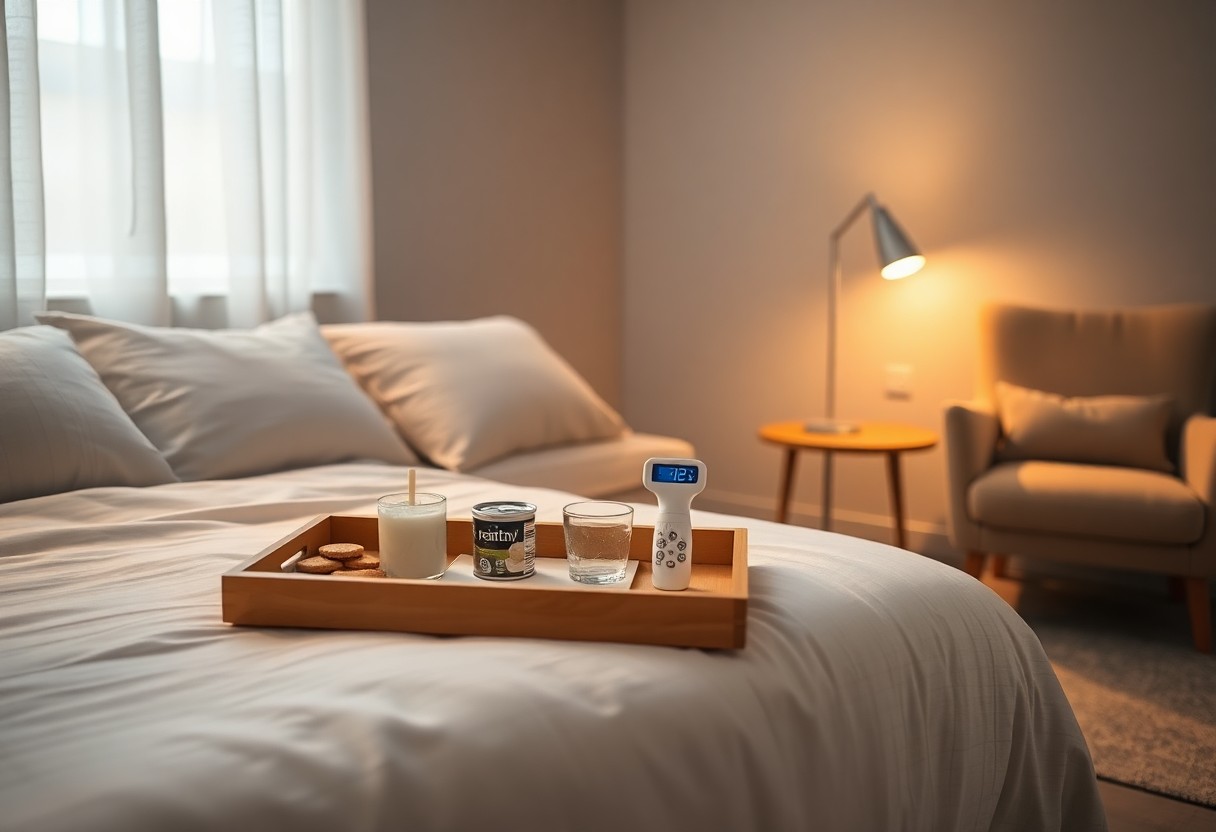
Your surroundings can greatly impact your recovery experience. Setting up a space that prioritizes comfort and accessibility can make the healing process smoother. Aim for a quiet area where you can relax with minimal disturbances, and ensure that everything you need is within easy reach. Soft lighting, comfortable seating, and calming décor can help create an inviting atmosphere, aiding both your physical and emotional recovery.
Designing Your Healing Space
Transform your space into a sanctuary for healing by removing clutter and adding cozy touches. Consider investing in soft pillows, a warm blanket, and anything that promotes relaxation. Keep your favorite books, entertainment devices, or soothing music nearby to elevate your mood and keep distractions at bay.
Stocking Up on Necessities
Having important items readily available will streamline your recovery process significantly. Stock your healing space with ample supplies of medication, bandages, and hygiene products. Additionally, prepare easy-to-reach snacks, bottled water, and entertainment options to keep you comfortable and engaged.
Think about all your daily needs and stock up ahead of time. Consider preparing meals in advance and freezing them for easy access later. Include items such as a pill organizer for your medications, a grabber tool for hard-to-reach objects, and a few entertainment options like books, movies, or puzzles. Having these importants on hand will minimize the need to rely on others, fostering your independence during recovery and allowing you to focus on your healing without unnecessary stress.

Nutrition: The Unsung Hero of Recovery
Your body’s healing process after cosmetic surgery relies heavily on the nutrients you provide. An optimal diet can boost your immune system, reduce inflammation, and support tissue regeneration, which collectively aid in a smoother recovery. By focusing on wholesome foods and staying hydrated, you can set the stage for your body to heal more effectively.
Foods to Embrace for Optimal Healing
Incorporate lean proteins, leafy greens, and healthy fats into your meals for a balanced diet that promotes healing. For instance, foods rich in vitamin C, like citrus fruits and bell peppers, enhance collagen production, while omega-3 fatty acids found in fish and flaxseeds reduce inflammation. Whole grains and legumes also provide imperative fibers and nutrients that support recovery processes.
Supplements That Boost Recovery
Investing in the right supplements can complement your diet and further aid recovery. Nutritional powerhouses like vitamin D, zinc, and probiotics have been shown to significantly enhance healing outcomes. For example, studies suggest that zinc supports tissue repair, while probiotics can help maintain gut health during post-surgery medication use.
Vitamin D plays a vital role in regulating the immune system, allowing your body to efficiently combat potential infections. Zinc not only promotes wound healing but also enhances cell synthesis, speeding along recovery. Probiotics help balance gut flora, which can be disrupted during antibiotic treatment post-surgery. Tailoring your supplement regimen to include these can lead to noticeable improvements in your overall recovery experience.

Managing Expectations: The Psychological Aspect
Your mindset plays a pivotal role in how you navigate the recovery process after cosmetic surgery. Embracing realistic expectations will enhance your overall experience, helping you adapt to changes while maintaining emotional balance. Understand that while some immediate results may be visible, healing takes time, and what you see initially may differ from your final outcome. Being prepared for this journey can alleviate anxiety and foster a more positive recovery period.
Understanding the Emotional Rollercoaster
Strategies for Maintaining a Positive Outlook
Fostering a positive outlook during recovery can significantly influence your emotional health. Start by surrounding yourself with supportive friends and family who understand your journey. Additionally, engage in mindfulness practices like meditation or journaling to help articulate your feelings. Setting small, achievable goals during your healing process can also provide a sense of accomplishment, reinforcing your commitment to maintaining a positive mindset.
Incorporating activities that promote relaxation, such as light stretching or gentle walks, will not only occupy your mind but also help release endorphins, enhancing your mood. Keeping a gratitude journal can shift your focus from negative thoughts to positive aspects of your recovery, reminding you of the progress you’ve made. Embrace hobbies that bring you joy, connecting with others who share similar experiences can also offer comfort and perspective during this time of adjustment.
Preparing for Post-Operative Follow-Ups
Following your cosmetic surgery, staying on top of your follow-up appointments is necessary to ensure everything is healing correctly. These visits offer your surgeon a chance to evaluate your progress and address any concerns, making them a key component of your recovery strategy. Consider writing down any observed changes or discomforts to discuss during these check-ins, as clear communication can help tailor your recovery plan.
Scheduling Important Appointments
Establishing a follow-up schedule immediately post-surgery allows you to secure necessary appointments while your recovery is fresh in mind. Most surgeons provide a timeline for these visits, which typically occur within the first week, the first month, and then several months after your procedure. Keep these dates marked in your calendar to avoid any unforeseen delays in your healing process.
Gathering Questions for Your Check-Ins
As you progress through recovery, jot down any questions that arise regarding your health or outcomes to bring to your follow-up appointments. This proactive approach aids in eliminating uncertainty and helps you feel more empowered about your recovery journey. It might be useful to develop a list before each visit, ensuring you address any lingering concerns effectively.
Prior to your appointments, take some time to reflect on aspects of your recovery that might need clarification. Have you noticed swelling that seems excessive? Is your pain level different than expected? By compiling a list of targeted questions, you enable your surgeon to provide you with specific answers and reassurance, fostering a collaborative environment as you work together on your recovery. You may also want to inquire about signs of complications or tips for physical activities moving forward, helping to optimize your healing experience.
Summing up
Presently, preparing for your cosmetic surgery recovery involves taking proactive steps to ensure a smooth transition to healing. You should create a supportive environment at home, arrange for assistance during the initial days, and follow your surgeon’s pre-and post-operative instructions meticulously. Stock your recovery area with comfort items, maintain open communication with your healthcare team, and prioritize rest and nutrition. By meticulously following these guidelines, you can facilitate a more positive and effective recovery experience.