
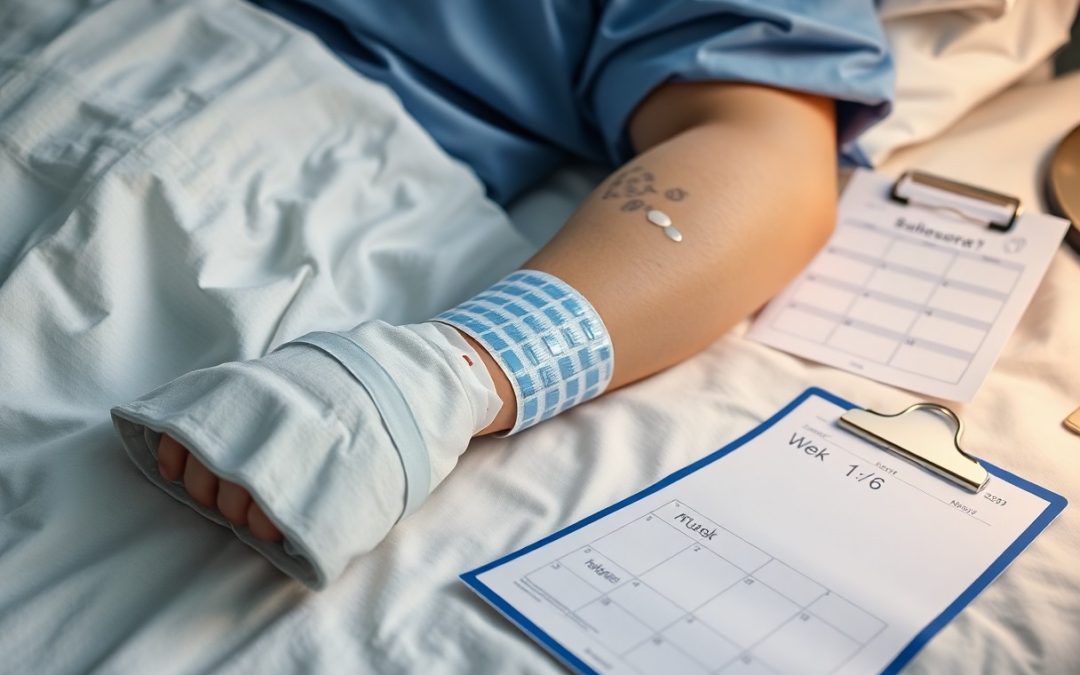
Most patients heal at different speeds, and you should expect immediate downtime, several weeks of swelling and bruising, and months before final results. Your procedure, health, and adherence to aftercare shape recovery, so follow your surgeon’s guidance and plan realistic rest and follow-ups.
Biological Factors Influencing Healing Speed
Healing varies with blood flow, nutrition, and immune response, so you may see notable differences in recovery speed after identical procedures. The degree of inflammation and tissue oxygenation determines how quickly incisions close and swelling subsides.
- Blood flow and oxygenation
- Nutrition and protein status
- Immune function and inflammation
The Impact of Age and Genetics
Age changes collagen production and cell turnover, so you often heal more slowly, and genetics set baseline skin quality and inflammatory responses that influence scar formation and recovery times.
Role of Pre-Existing Health Conditions
Chronic illnesses like diabetes, vascular disease, or autoimmune disorders alter your healing cascade, increasing infection risk and prolonging swelling and wound closure times.
If you have diabetes or poor circulation, you should optimize glucose control, manage medications, and plan closer follow-up, since impaired perfusion delays tissue repair and raises complication rates.
Recovery Timelines for Popular Procedures
Expect variability: facelift and eyelid procedures often let you return to light social activities in 1-2 weeks, while major body surgeries usually require several weeks to months for full recovery; follow your surgeon’s timeline and attend follow-up visits to monitor healing.
Facial Surgeries and Rhinoplasty
Rhinoplasty and facelift recovery varies: you’ll see swelling and bruising for the first week, return to public settings after 1-2 weeks, and notice subtle improvements over several months as tissues settle and scars soften.
Body Contouring and Breast Augmentation
Body contouring and breast augmentation involve more downtime: you’ll need one to two weeks off work for initial recovery and several months to see final results, with compression garments and staged activity increases.
You can expect drains for 24-72 hours after many body-contouring procedures, significant swelling that subsides over months, and strict lifting restrictions for 4-6 weeks; your surgeon will prescribe pain control, outline garment use, and schedule gradual return-to-exercise milestones to protect results and monitor scar maturation.
Distinguishing Between Social and Full Recovery
Recovery has two parts: social recovery, when you can attend events with minimal signs, and full recovery, when swelling, bruising, and internal healing resolve. You should expect timelines from weeks to many months, influenced by procedure type and health.
Resuming Public Appearances and Work
Returning to work or public outings commonly happens in one to three weeks for minor procedures, though you may still have mild swelling or bruising. Plan lighter duties and be open with colleagues about temporary limitations.
Timeline for Final Tissue Stabilization
Expect final tissue stabilization to take three months to a year; scar maturation and subtle contour changes often continue beyond visible healing. Track progress and keep follow-up visits so surgeons can assess long-term results.
Final tissue stabilization follows phases: an inflammatory phase (days-weeks), collagen remodeling (weeks-months), and maturation that can take 12-18 months for scars and soft tissues. Healing speed varies with age, smoking, medical conditions, surgical technique, and adherence to scar care. You can support outcomes with massage, silicone products, sun protection, and timely clinic reviews.
Essential Post-Operative Care Protocols
Proper post-operative routines reduce complications and speed recovery; you must follow your surgeon’s instructions, rest adequately, manage swelling, and attend scheduled follow-ups.
Wound Management and Infection Prevention
You should keep wounds clean, change dressings exactly as instructed, monitor for increasing redness, heat, swelling, or fever, and contact your surgeon immediately if infection signs develop.
Nutritional Support for Tissue Repair
Balanced nutrition supplies the protein, vitamins, and fluids you need for tissue repair; prioritize lean protein, vitamin C, zinc-rich foods, and consistent hydration throughout recovery.
Focus on 1.2-2.0 g/kg of protein daily, split across meals, plus vitamin C from fruits and zinc from meat, legumes, or nuts; avoid alcohol and smoking that impair healing, and consult your surgeon or a dietitian before adding supplements to match your caloric and micronutrient needs.
Managing Physical and Activity Restrictions
Your recovery plan will set clear activity limits; follow your surgeon’s timeline, prioritize rest, and ask before resuming tasks that strain the surgical site.
Gradual Reintroduction of Exercise
Begin with short walks, progressing to low-impact workouts only after surgeon approval; increase duration and intensity slowly, and stop if you feel pain, swelling, or unusual soreness.
Mobility and Compression Garment Usage
Wear compression garments as directed to reduce swelling and support tissues; keep them clean, fitted, and report numbness or extreme tightness to your provider.
Check the fit daily-compression should feel snug but not constricting-and change garments per instructions; improper fit can impair circulation, so contact your surgeon if you notice excessive swelling, skin discoloration, or numbness.
Identifying Normal Side Effects vs. Red Flags
Differentiating normal swelling, numbness, and mild bruising from warning signs helps you know when to contact your surgeon; expect improvement over days to weeks, not escalating pain or spreading redness.
Managing Swelling and Bruising
Ice, gentle compression, and raising the area reduce swelling; you should follow your surgeon’s schedule, limit activity, and call if bruising becomes unusually painful or increases.
Recognizing Signs of Potential Complications
Watch for fever above 100.4°F, spreading redness, severe unrelieved pain, foul drainage, or sudden swelling and numbness-these signs mean you should seek medical review promptly.
Contact your surgeon immediately if you experience persistent high fever, rapid pulse, increasing drainage with odor, expanding bruising, or loss of function; bring photos, note timing, and follow emergency instructions if symptoms escalate.
Final Words
Conclusively, you should expect recovery from cosmetic surgery to vary by procedure, your health, and adherence to aftercare; minor procedures may need days while major operations require weeks to months, so follow your surgeon’s instructions for the safest outcomes.