
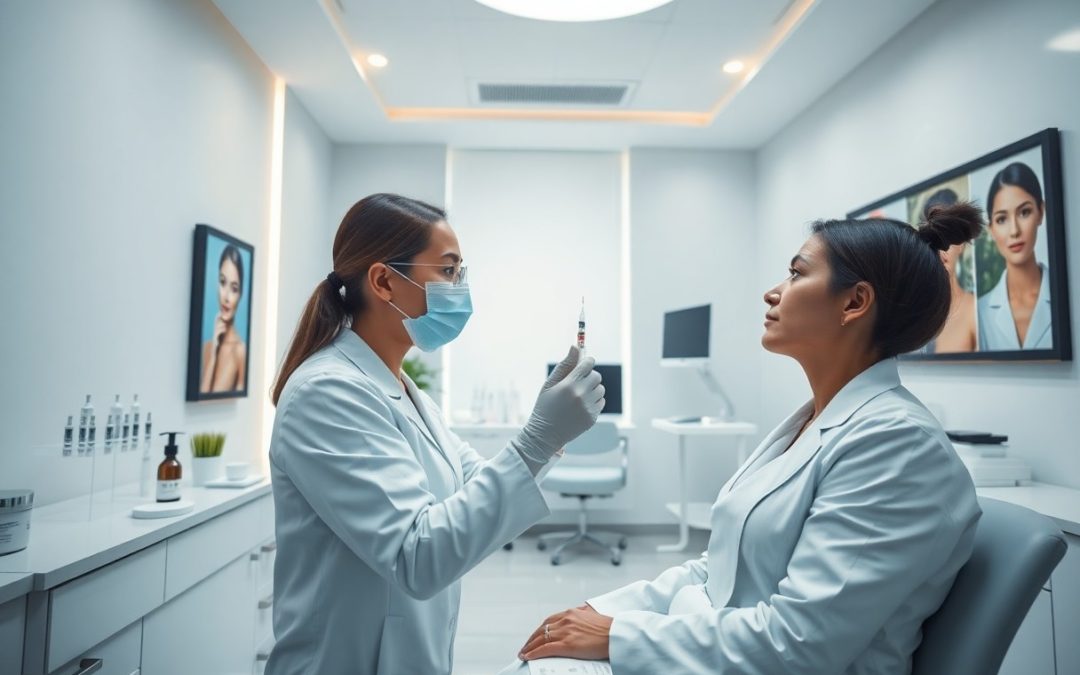
It’s vital to understand the key factors involved when considering combining cosmetic procedures for optimal results. As you explore options to enhance your appearance, knowing how to balance treatments, manage recovery, and assess potential risks will empower you to make informed decisions. This post will guide you through important considerations to ensure your cosmetic journey is both safe and effective, allowing you to achieve the look you desire without compromising your well-being.

Understanding Cosmetic Procedures
When considering cosmetic procedures, it’s imperative to grasp the various options available. Each procedure serves distinct aesthetic goals, from enhancing your features to rejuvenating your appearance. Understanding these nuances allows you to make informed choices that align with your desired outcomes.
Types of Procedures
Cosmetic procedures generally fall into several categories, addressing different areas of the body. Here’s a brief overview:
- Injectables
- Surgical interventions
- Non-surgical treatments
- Skincare procedures
- Body contouring
The variety of options ensures you can choose what best suits your personal goals.
| Type | Description |
| Injectables | Includes Botox and fillers for wrinkle reduction and volume enhancement. |
| Surgical Interventions | Involves procedures like facelifts and liposuction for more dramatic results. |
| Non-surgical Treatments | Laser treatments and chemical peels to rejuvenate skin. |
| Skincare Procedures | Facials and microdermabrasion focused on skin health. |
| Body Contouring | Techniques aimed at shaping and defining your physique. |
Risks and Benefits
Every cosmetic procedure carries a set of risks and benefits that you should weigh carefully. While the potential for enhanced appearance and self-confidence exists, complications can arise, highlighting the importance of research and consultation with qualified professionals.
Benefits often include improved self-esteem, better physical appearance, and increased social confidence. However, risks may involve side effects such as scarring, infection, or dissatisfaction with results. It’s imperative to understand that complications can vary based on the procedure and individual circumstances. Evaluating these factors helps you navigate your options more wisely, emphasizing informed decisions for your unique scenario.
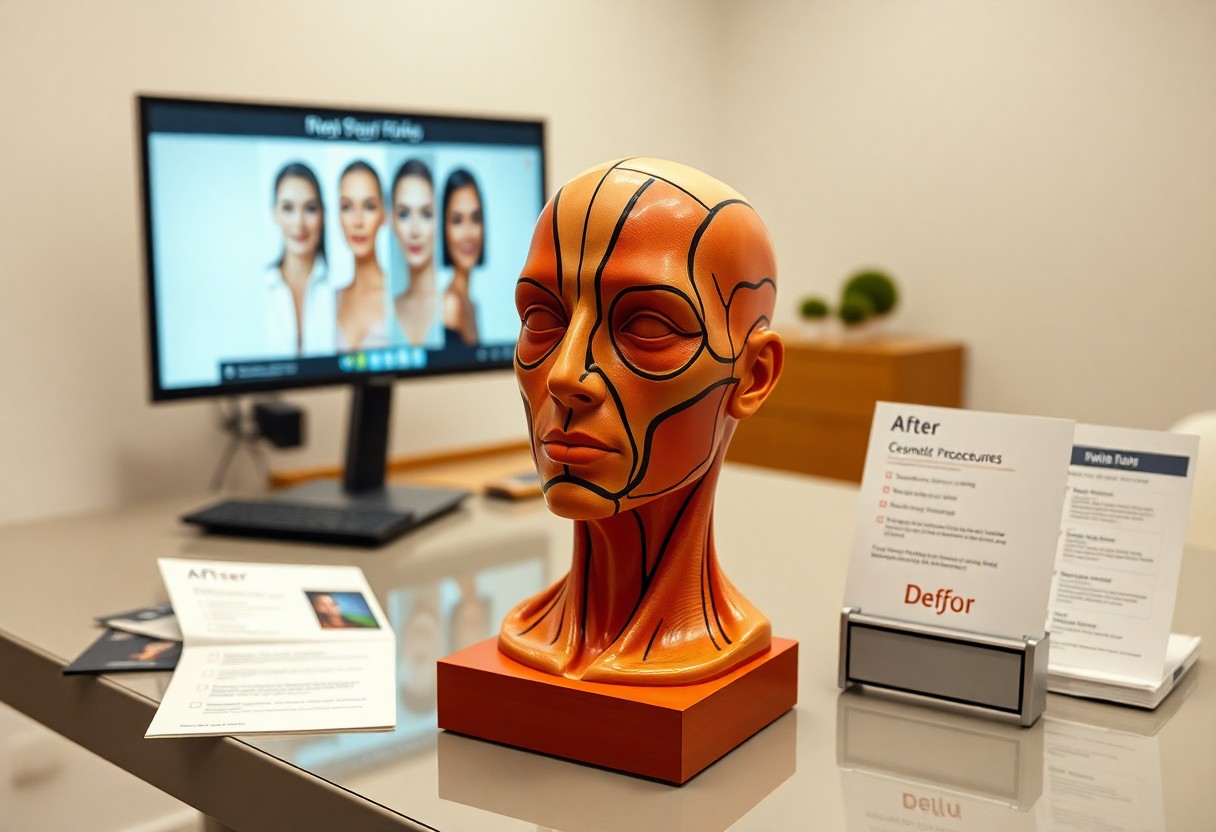
Factors to Consider Before Combining Procedures
Before deciding to combine cosmetic procedures, it’s necessary to assess several important factors that can influence both your safety and the effectiveness of the treatments. Consider the following:
- Your current health condition
- The potential risks involved
- The procedures’ compatibility
- Recovery times and scheduling
Recognizing these factors can help you make informed decisions that align with your goals.
Individual Health Assessments
Your individual health status plays a significant role in determining whether you can safely undergo multiple procedures. Prior to any combined treatments, consult with your healthcare provider to review your medical history, current medications, and any underlying conditions. This evaluation ensures you are a suitable candidate for the procedures you are considering.
Desired Outcomes
Clearly defined desired outcomes are necessary for successfully combining cosmetic procedures. You should have a realistic understanding of what each procedure can achieve and how they can complement one another. Establishing specific goals will guide you and your provider in tailoring the treatments and maximizing results.
Consider what motivates you to combine procedures; for example, are you aiming for a comprehensive rejuvenation, or do you want to address multiple concerns at once? Clarity here allows for aligning both expectations and methodologies. Discussing these outcomes with your surgeon can help ensure that the combined approach is not only safe but optimized for achieving your vision.

Choosing the Right Professionals
Selecting qualified professionals for cosmetic procedures is important for achieving safe and satisfying results. Your choice of practitioners can significantly influence your experience and outcomes, making it vital to seek out experts who specialize in the specific treatments you desire. Look for board-certified professionals with extensive experience and a strong reputation in the industry. Verify that they adhere to safety protocols and ethical practices, ensuring your comfort and wellbeing throughout the process.
Researching Credentials
When evaluating potential providers, researching their credentials should be your first step. Check for board certification, which indicates that they have undergone rigorous training and adhere to specific standards within their specialty. Additionally, examine their experience related to the specific procedures you’re considering. Look for reviews and before-and-after images that demonstrate their skill and patient satisfaction.
Importance of Consultation
A thorough consultation is a pivotal step in the decision-making process. It allows you to discuss your goals and concerns, while the provider can assess your unique situation. This dialogue fosters a mutual understanding and provides an opportunity for the practitioner to recommend the most suitable procedures tailored to your needs.
During the consultation, ask questions about the provider’s experience, outcomes, and potential risks associated with combining procedures. A reputable professional will provide clear explanations and realistic expectations. This interaction helps you gauge their communication style and approach to patient care, ensuring that you feel comfortable and supported throughout your journey. Ultimately, a great consultation sets the foundation for a positive experience and optimal results.
Timing and Recovery
When planning multiple cosmetic procedures, it’s crucial to consider the timing and recovery phases. Different procedures require varying lengths of recovery, which can impact your overall schedule, especially if you have commitments or events coming up. Properly spacing out treatments allows your body time to heal and ensures you achieve the desired results without complications.
Recovery Times for Various Procedures
Recovery times can vary significantly depending on the type of cosmetic procedure. For example, non-invasive treatments like Botox or fillers typically have minimal downtime, allowing you to resume normal activities within hours. In contrast, surgical options like facelifts may necessitate weeks of recovery, where swelling and bruising might persist. Understanding these timelines helps you plan effectively for your post-procedure needs.
Importance of Scheduling
Selecting the right schedule for your cosmetic procedures is vital for achieving optimal results and ensuring a stress-free recovery. By carefully coordinating the timing of each treatment, you can minimize downtime and promote healing effectively. This approach also helps in managing potential side effects, as you’ll have ample time to address any complications before moving on to the next procedure.
Prioritizing scheduling enables you to enjoy the benefits of each treatment fully. For instance, if you undergo a surgical facelift, allowing adequate recovery before proceeding with a laser skin resurfacing or another treatment can maximize your results. It also provides time to monitor your healing process and address any post-operative care, making the transition smoother between procedures. Always consult with your medical provider to create a personalized timeline that suits your individual needs and goals.
Safety Protocols and Guidelines
Adhering to safety protocols helps minimize risks when combining cosmetic procedures. Start by consulting with experienced professionals who can assess your unique situation and ensure compatibility among various treatments. Follow their recommendations regarding timelines between procedures and remain aware of any potential interactions. Always discuss your medical history and any medications you are taking, as these factors can influence the safety and efficacy of your chosen treatments.
Avoiding Overlap Risks
To avoid overlap risks, schedule your procedures with enough interval in between to allow for optimal healing. Each treatment has its own recovery timeline, which may vary based on factors like your health, age, and skin type. Consult your provider on how to space out appointments to ensure your body can adequately recover from one procedure before starting another.
Post-Procedure Care
Effective post-procedure care is important for achieving the best outcomes. Following your practitioner’s guidelines can help mitigate side effects and enhance healing. Keep an eye on any changes in your body during the recovery period, and report any concerning symptoms immediately to your provider.
Establishing a solid post-procedure care routine is vital for your recovery and final results. This may involve using specific skincare products, avoiding sun exposure, and adhering to prescribed medications. For instance, after injectable treatments, you might be advised to refrain from vigorous exercise for 24 to 48 hours to prevent swelling and bruising. Additionally, staying hydrated and following a balanced diet can aid in your healing process, ensuring that you achieve the desired effect from both procedures in a safe manner.
Case Studies and Examples
Examining real-world case studies can provide invaluable insights into the intricacies of combining cosmetic procedures. The data below illustrates various success rates and outcomes for patients who opted for multiple treatments:
- Case Study 1: A 45-year-old woman underwent a facelift and eyelid surgery simultaneously, resulting in a 90% satisfaction rate with evident rejuvenation after 6 months.
- Case Study 2: A 30-year-old male received liposuction and abdominoplasty. Follow-up revealed 85% of patients reported improved body image within the first year.
- Case Study 3: A 50-year-old received dermal fillers and laser treatments combined, with 92% satisfaction highlighting improved skin texture.
- Case Study 4: A 37-year-old opted for breast augmentation and tummy tuck; 88% felt enhanced self-esteem post-operation.
Success Stories
Many patients have shared their transformative experiences after combining multiple cosmetic procedures. Successful outcomes often highlight enhanced self-confidence and satisfaction levels that significantly improve their quality of life. These stories reinforce the effectiveness of strategic combinations tailored to individual needs.
Complications and Lessons Learned
While many procedures yield positive results, there are instances of complications that provide critical lessons for future patients. In particular, increased recovery time and potential for adverse reactions have been reported in certain cases. Understanding these risks is important for informed decision-making.
Case analyses reveal common complications such as prolonged swelling, infection, and scarring. Data indicates that 15% of patients experienced some form of complication when combining procedures. Key lessons include the importance of thorough pre-operative consultations and clear communication with your surgeon. Patients who followed post-operative care instructions had a 40% lower risk of complications, showcasing the value of diligence in your recovery journey.
To wrap up
Now that you understand the importants of combining cosmetic procedures, you should prioritize safety and patient experience. Consult with qualified professionals to evaluate your individual needs and the compatibility of treatments. Careful planning can enhance your results while minimizing risks. Always communicate openly with your healthcare provider about your goals and any concerns you may have, ensuring a tailored approach that addresses your unique requirements. By taking these steps, you can achieve your desired aesthetic outcomes confidently and safely.