
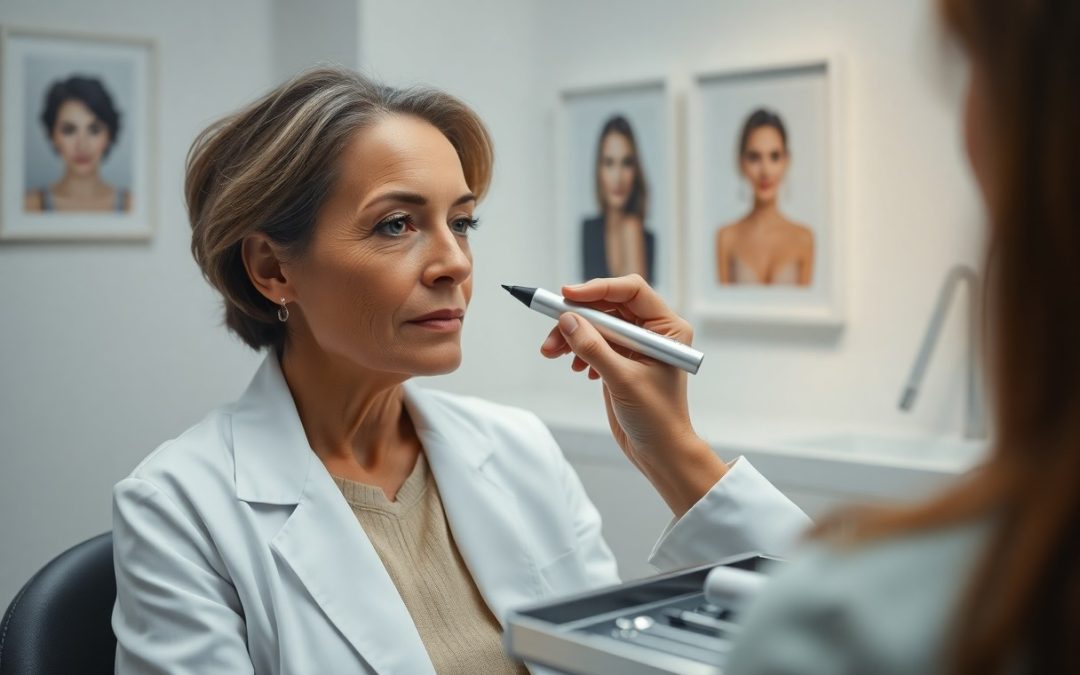
Over recent years, you have more options to achieve natural-looking results through precise techniques, tailored planning, and conservative enhancements that preserve your features.
The Philosophy of the “Un-Operated” Look
Surgery today prioritizes subtlety so you retain authentic expression while resolving concerns; you expect results friends describe as refreshed, not altered.
Shifting Paradigms from Correction to Enhancement
Practice has shifted from correcting flaws to enhancing your features, guiding you toward proportion, texture and motion choices that read as natural improvements rather than obvious surgery.
Preserving Individual Character and Facial Harmony
You seek preservation of character while subtle enhancements align with your bone structure, skin dynamics and signature expressions to maintain facial harmony.
Surgeons evaluate your facial proportions, skin quality and habitual expressions to plan subtle volume changes, precise tissue repositioning and conservative refinement, so you retain natural movement and personal identity while achieving balanced results.
Advanced Surgical Techniques for Subtle Refinement
You see how refined techniques prioritize natural contours, minimize visible scarring, and restore balanced proportions through conservative, tailored adjustments.
- Deep plane dissection and structural support
- Micro-fat grafting for regenerative volume
- Precision soft-tissue resuspension and anchoring
Technique summary
| Technique | Benefit |
|---|---|
| Deep plane dissection | Repositions deep tissues for lasting structural support |
| Micro-fat grafting | Restores volume with autologous tissue and regenerative properties |
| Soft-tissue resuspension | Refines contours with minimal surface tension and scarring |
Deep Plane Mastery and Structural Support
Understanding deep plane techniques helps you access and reposition deep facial structures for longer-lasting, natural support with minimal visible tension.
Micro-Fat Grafting and Regenerative Volume Restoration
Micro-fat grafting lets you restore youthful volume with autologous tissue, improving texture and contour while promoting regenerative recovery over time.
Harvesting and handling determine graft survival: you should use low-speed aspiration, gentle centrifugation or filtration, and layered microinjection to optimize cell viability, encourage integration with recipient tissues, and achieve predictable, subtle fullness that ages harmoniously with the surrounding anatomy.
The Role of Technology in Achieving Precision
Technology gives you high-resolution imaging and guidance tools that let surgeons plan and execute with millimeter accuracy, reducing variability and improving predictability.
3D Morphing and Digital Surgical Planning
3D morphing lets you preview outcomes and fine-tune proportions so surgical plans align with your aesthetic goals, improving communication and reducing surprises.
Minimally Invasive Modalities for Texture and Tone
Lasers and radiofrequency devices let you refine texture and tone with limited downtime, targeting collagen and pigmentation while preserving natural contours.
You can choose from fractional lasers, microneedling with radiofrequency, chemical peels, and targeted light therapies; each offers predictable collagen induction and pigment control while minimizing scarring and downtime. Discuss device settings, expected recovery, and staged treatments with your surgeon to match intensity to skin type and desired timeline for natural-looking improvement.
Customization and the Patient-Centric Model
You receive individualized plans that match facial structure, lifestyle, and recovery goals, ensuring outcomes that look natural and age-appropriate.
Tailoring Procedures to Unique Anatomical Profiles
Your bone structure, skin thickness, and facial proportions guide procedure choice and implant size, so results harmonize with your natural features rather than overwrite them.
The Importance of Conservative Intervention
Choose subtle refinements that preserve your facial identity, minimizing downtime while keeping results believable and proportionate.
Expect staged approaches-limited fillers, conservative resections, and careful grafting-that let you assess changes and stop or adjust before committing to larger interventions. You maintain decision-making control, lower complication risk, and benefit from outcomes that age with you, avoiding the need for repeated, corrective procedures.
The Psychological Impact of Natural Aesthetics
You often experience improved self-image when natural results align with your personal identity, reducing anxiety and enhancing daily interactions; small, harmonious changes can produce enduring psychological benefits without drawing unwanted attention.
Boosting Confidence Without Social Stigma
Social situations feel easier when you present subtle enhancements that match your features; friends and colleagues respond to your behavior more than visible alterations, letting you gain confidence without attracting stigma.
Managing Expectations for Long-Term Satisfaction
Setting realistic goals with your surgeon helps you understand what changes will age naturally and which may need touch-ups, so you maintain satisfaction as your face evolves.
Discussing timelines, possible complications, and maintenance plans with your surgeon clarifies long-term outcomes; you should review before-and-after photos, ask about how procedures interact with aging, and schedule follow-up visits to preserve results over decades.
Selecting an Artisan Surgeon
Choose a surgeon who balances technical skill with an artistic eye; you should prioritize hands-on experience, steady patient outcomes, and clear communication about expected, natural-looking changes.
Evaluating Board Certification and Aesthetic Philosophy
Verify board certification and ask how their aesthetic philosophy aligns with your goals; you should discuss surgical plans, risk management, and examples of subtle enhancements.
Understanding the Nuance of Before-and-After Portfolios
Review before-and-after portfolios to see consistent, realistic results across different patient types; you should focus on angles, lighting, and long-term outcomes rather than a single standout image.
Examine portfolios for breadth: you should look for varied ages, skin types, and facial shapes, consistent lighting and angles, and unretouched images showing early and late healing stages. Ask the surgeon to explain technique choices and complications, and request contactable patient references so you can assess satisfaction with natural, lasting outcomes.
Conclusion
With this in mind you can expect natural-looking results when surgeons combine subtle technique, personalized planning, and conservative tissue handling, yielding balanced outcomes that align with your features and goals while minimizing downtime and preserving facial harmony.