
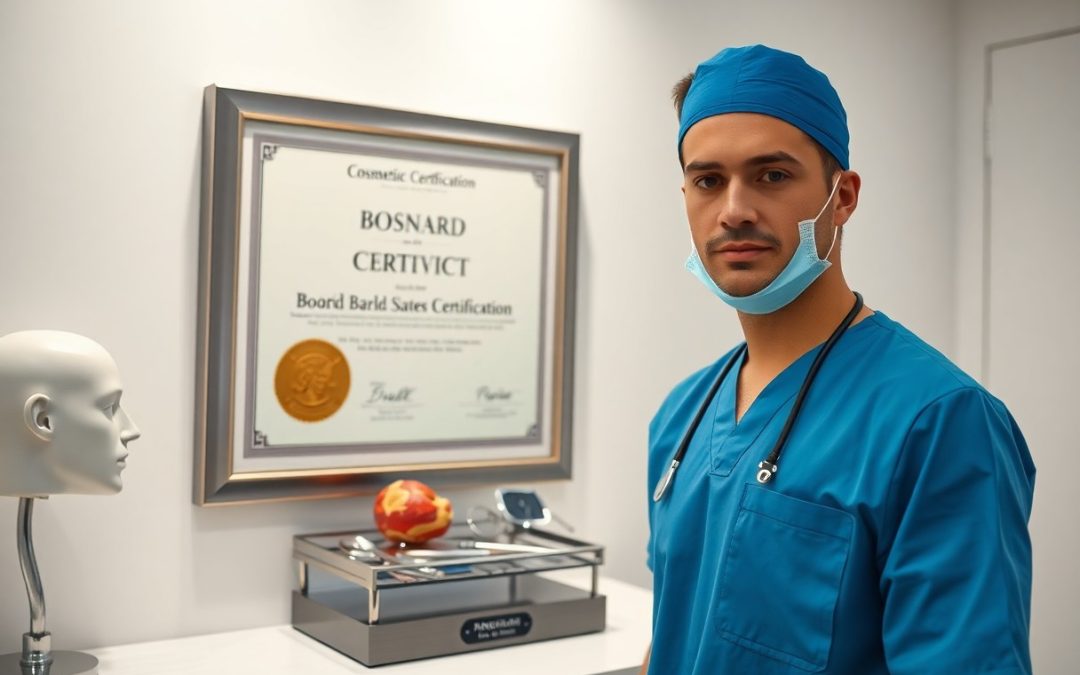
Cosmetic surgery decisions demand confidence in your surgeon’s qualifications. Board certification confirms a surgeon has completed rigorous training, passed comprehensive exams, and adheres to strict standards in patient safety and ethics. It’s your assurance of verified expertise in the field.
The Semantic Trap
Marketing language often blurs the line between formal recognition and casual expertise. You’ve likely seen terms like “board certified” used loosely, even when not backed by a reputable surgical board. This confusion benefits clinics more than patients, making it harder for you to assess true qualifications when choosing a provider.
Defining the aesthetic expert
Being called an aesthetic expert doesn’t require formal credentials. Anyone can adopt the title, regardless of training. You need to look beyond labels and focus on verified board certification in plastic surgery, which confirms rigorous training, standardized testing, and ongoing education in the field.
Distinguishing labels from skills
Labels are easy to claim; skills are proven through practice and oversight. You can’t assume competence from a website badge or a self-awarded title. Real surgical skill is validated by certification from recognized boards like the American Board of Plastic Surgery, not self-styled designations.
What separates a legitimate credential from empty branding is accountability. Certification demands adherence to ethical standards, surgical volume requirements, and peer-reviewed assessments. When you choose a surgeon, you’re not just hiring technical ability-you’re trusting a system of checks that only true board certification provides. That distinction protects you far more than any marketing term ever could.
The Proliferation of Paper
Many so-called credentials in cosmetic surgery carry little weight beyond the certificate on the wall. You face a growing number of surgeons who promote board certifications from organizations with minimal oversight. These titles sound official but often require only a fee and a weekend course, not rigorous training or peer review.
Weekend seminars and fast tracks
You’ll find some surgeons earning “board certification” after just a few days of lectures and a multiple-choice test. These programs skip years of surgical residency, case logs, and proctored procedures. The ease of access undermines the integrity of true specialty boards and misleads patients seeking qualified care.
Marketing the illusion of mastery
Your trust is often exploited by polished websites listing impressive-sounding titles earned through dubious channels. These credentials are designed to mimic legitimacy, making it hard to distinguish real expertise from clever branding. You assume certification means competence, but that’s not always the case.
Surgeons using these credentials often highlight them in bold on brochures and social media, placing them alongside photos of dramatic results. You’re led to believe they’ve met high standards, when in reality, no peer-reviewed surgical cases or hospital privileges support their claims. This misrepresentation shifts focus from skill to image, putting your safety at risk when choosing a provider.
The Infrastructure of Safety
Safety in cosmetic surgery extends beyond the surgeon’s skill-it’s built into the environment where procedures take place. You deserve assurance that every aspect of your care follows strict medical standards, from equipment sterilization to emergency preparedness, ensuring your well-being is protected at every step.
Accredited surgical suites
Accredited surgical suites meet rigorous national standards for cleanliness, staffing, and equipment. You can trust that these facilities undergo regular inspections to maintain compliance, reducing risks and providing a controlled, safe environment tailored to the demands of cosmetic procedures.
Hospital privilege verification
Hospital privilege verification confirms that your surgeon is qualified to perform specific procedures in a hospital setting. You benefit from this oversight because it means an independent medical board has reviewed their training, track record, and adherence to safety protocols.
Having hospital privileges means a surgeon has undergone a thorough credentialing process, including verification of board certification, malpractice history, and clinical competence. You gain peace of mind knowing that if complications arise, your surgeon has the training and institutional backing to manage them effectively, reflecting a higher standard of accountability and patient care.
The Tipping Point of Trust
Board certification often becomes the moment you decide whether to trust a surgeon with your face or body. It’s not just a framed document-it’s proof of rigorous training, peer-reviewed competence, and a commitment to ethical standards. When you’re weighing options, that certification signals you’re not gambling with an amateur.
Decoding the waiting room wall
Certificates on the wall mean little if you don’t know what they represent. Look specifically for certification by the American Board of Plastic Surgery-other boards may sound official but lack the same standards. Recognizing the right credentials helps you separate legitimate expertise from misleading decoration.
Questions for the consultation
You should ask directly about your surgeon’s board status during the consultation. Inquire how long they’ve been certified, whether their certification is active, and if they’re certified in both plastic surgery and a related specialty. These details reveal depth of training and ongoing accountability.
Asking about board certification isn’t confrontational-it’s responsible. A qualified surgeon will welcome the question and provide clear, verifiable answers. You’re entitled to know if their training included accredited residency programs and standardized exams. This transparency protects your safety and sets the standard for the care you’ll receive.
Final Words
Considering all points, board certification confirms your cosmetic surgeon has met rigorous training, ethical, and skill standards. It reflects years of accredited education, successful exam completion, and a commitment to patient safety. You can trust this credential as a clear indicator of qualified expertise in cosmetic surgery.