

You are about to explore everything you need to know about rhinoplasty, from the myriad benefits it can offer to the associated costs and the recovery process. This comprehensive guide will empower you to make informed decisions regarding your nasal surgery journey. Understanding these aspects will ensure you are fully prepared for the procedure and its implications, helping you achieve the aesthetic and functional results you desire.

Types of Rhinoplasty
- Open Rhinoplasty
- Closed Rhinoplasty
- Revision Rhinoplasty
- Septo-Rhinoplasty
- Non-Surgical Rhinoplasty
Any type of rhinoplasty you choose will depend on your specific needs and the extent of changes you desire.
| Type | Description |
| Open Rhinoplasty | Involves an external incision, providing full visibility for surgeons. |
| Closed Rhinoplasty | Involves incisions inside the nostrils, resulting in no visible scarring. |
| Revision Rhinoplasty | Addresses issues from previous nose surgeries. |
| Septo-Rhinoplasty | Corrects both aesthetic and functional nasal issues. |
| Non-Surgical Rhinoplasty | Uses fillers to enhance the nose without surgery. |
Open Rhinoplasty
Open rhinoplasty is characterized by an incision made across the columella, the tissue between your nostrils, allowing surgeons greater access and precision. This technique is ideal for more extensive reshaping, particularly in complex cases where structural modifications are necessary. Post-operative swelling typically obscures your results initially, but the thorough approach often leads to highly satisfactory outcomes as healing progresses.
Closed Rhinoplasty
Closed rhinoplasty entails making incisions solely within the nostrils, which means no visible scars after surgery. It generally results in a shorter recovery time and less swelling compared to open rhinoplasty. However, the approach may limit surgeons in some intricate adjustments that might be required for significant changes. If you have specific alterations in mind, discussing the intricacies of closed rhinoplasty with your surgeon will help determine its suitability for your goals.
This technique is often favored by those seeking subtle changes or enhancements rather than extensive reconstruction. Many patients appreciate the less invasive nature, which can lead to a quicker recovery and less post-surgical discomfort. You might find that closed rhinoplasty is particularly effective for straightening the nasal bridge or refining the tip, allowing for a natural appearance that aligns with your facial features.
Benefits of Rhinoplasty
Rhinoplasty offers numerous advantages, transforming both your appearance and wellbeing. A new nose shape can enhance facial harmony and boost self-esteem, allowing you to feel more comfortable in social settings. Furthermore, improving nasal function has a significant impact on respiratory health. With proper expectation management, the results can last a lifetime, leading to both immediate satisfaction and long-term benefits.
Aesthetic Improvements
Aesthetic improvements through rhinoplasty can reshape your nose to align better with your facial features. You may choose to refine a prominent hump, narrow wider nostrils, or adjust the tip of your nose. These changes can lead to a more balanced appearance, increasing your confidence and satisfaction with your overall look.
Functional Enhancements
Functional enhancements focus on correcting structural issues within your nasal passages. Many patients experience improved airflow and reduced snoring after surgery, leading to better sleep and overall health. It’s not just about aesthetics; addressing deviated septums or other obstructions can significantly impact your quality of life.
Functional enhancements can also alleviate chronic sinus issues. For example, if you suffer from frequent sinus infections due to an obstructed nasal passage, rhinoplasty can reshape the interior of your nose to facilitate better drainage. This not only reduces the occurrence of infections but also enhances your ability to breathe comfortably during physical activities. Patients often report a remarkable improvement in their daily comfort and energy levels, showcasing the comprehensive benefits of combining aesthetic and functional goals in rhinoplasty.
Factors Affecting Cost
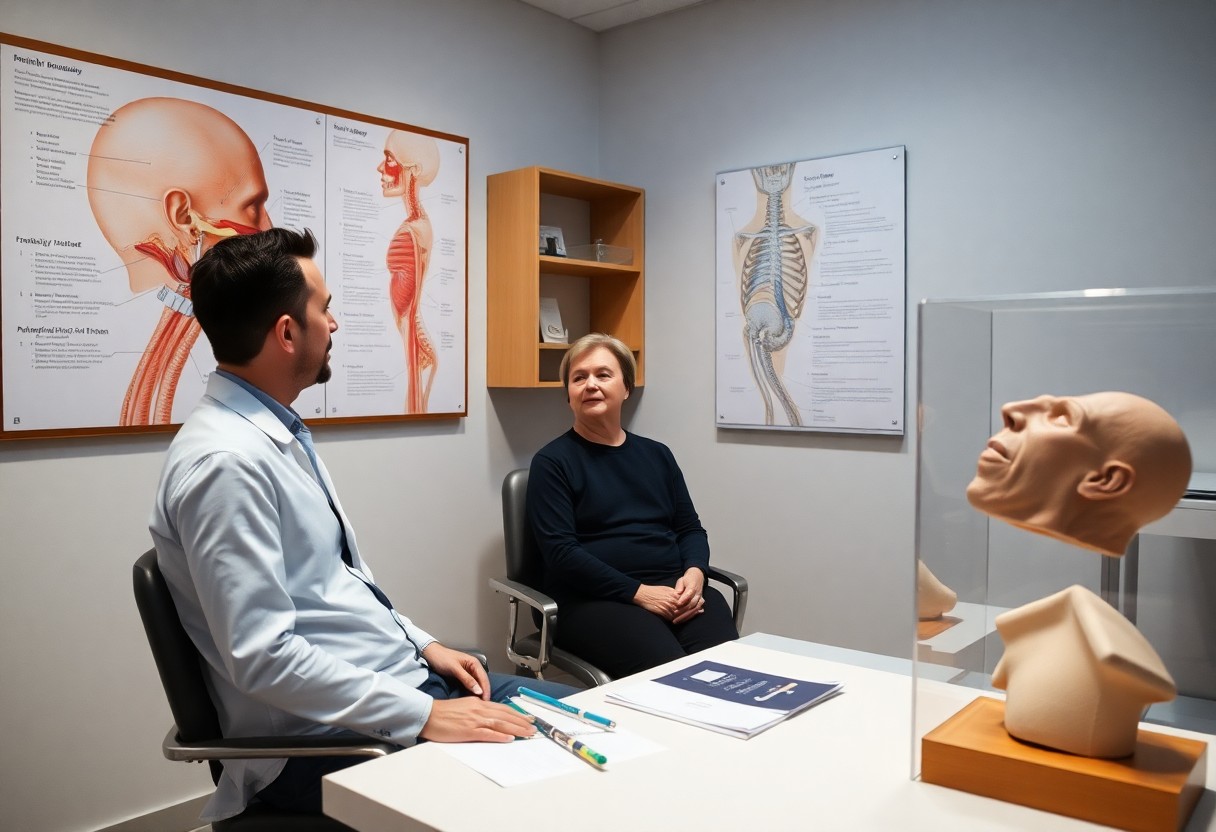
The cost of rhinoplasty can vary significantly based on several key factors. Understanding these variables can help you budget effectively for your procedure. Key aspects influencing the overall price include:
- Geographic location
- Surgeon’s expertise
- Complexity of procedure
This can lead to differing costs even for similar procedures in varied areas.
Geographic Location
Your location plays a vital role in determining rhinoplasty prices. Urban centers typically have higher costs due to increased demand and higher living expenses, whereas smaller towns may offer more competitive pricing. Certain regions, renowned for plastic surgery, might command premium rates due to the stature and popularity of local surgeons.
Surgeon’s Expertise
Selecting a highly regarded surgeon often correlates with higher costs. Experienced surgeons with an established reputation generally charge more for their services, reflecting their skill and track record. Investing in a qualified professional can lead to better results and fewer complications, justifying the expense.
You may consider that a surgeon’s qualifications, certifications, and reviews can greatly influence your decision. Surgeons renowned for intricate rhinoplasties or specific techniques often have heightened demand, which can elevate their fees. Their extensive training and successful results make them a more desirable choice, highlighting the balance between cost and expertise in choosing your surgeon.
Complexity of Procedure
The complexity of your rhinoplasty will significantly affect the overall cost. This encompasses both the technical skill required and the length of the surgery. More complex cases, such as reconstructive rhinoplasty or significant alterations, typically incur higher fees due to the detailed care and time allocated by the surgeon.
When assessing complexity, consider that straightforward procedures may require less surgical time and fewer resources than intricate cases involving rebuilding structures within the nose or correcting previous surgeries. This distinction not only influences surgeon fees but may also impact anesthetic and facility costs, further contributing to the overall expense of your rhinoplasty.

Step-by-Step Rhinoplasty Process
| Phase | Description |
|---|---|
| Initial Consultation | Discuss your goals and concerns with the surgeon, who will evaluate your nose and recommend a suitable approach. |
| Pre-Operative Preparations | Undergo necessary tests and follow specific guidelines to ensure optimal surgical conditions. |
| Surgery Day Procedures | Your procedure begins with anesthesia and careful surgery tailored to your individualized plan. |
| Post-Operative Care | Focus on recovery through proper aftercare and follow-up appointments for best results. |
Initial Consultation
In your initial consultation, you will discuss your desired outcomes with the surgeon, detailing any concerns and preferences. The surgeon will assess the structure of your nose and face to recommend an appropriate surgical technique, ensuring your expectations are aligned with realistic outcomes.
Pre-Operative Preparations
Pre-operative preparations involve several important steps, including medical evaluations and personalized guidelines. You might need to stop certain medications, undergo blood tests, and receive detailed instructions on fasting and arranging transportation for surgery day.
During the preparation phase, your surgeon or their team will provide comprehensive guidance on what to expect. This may include ceasing blood thinners, avoiding smoking, and possibly scheduling a physical examination to ensure that you are fit for surgery. By following these instructions closely, you can reduce the risk of complications during the procedure.
Surgery Day Procedures
On surgery day, you will arrive at the surgical center where you will change into a surgical gown. Once you’re settled, anesthesia will be administered to ensure your comfort throughout the procedure. The surgeon will then perform rhinoplasty according to the agreed-upon surgical plan.
Your surgeon will begin with either an open or closed technique depending on the complexity of your case. Once anesthesia takes effect, the surgery typically lasts between one to three hours. You can expect detailed attention to the changes requested, addressing both function and appearance while minimizing recovery time.
Post-Operative Care
Post-operative care is vital for your healing process. You will receive instructions on managing discomfort, care for your nose, and follow-up appointments to monitor your recovery. Adhering to this plan helps ensure optimal results.
After surgery, you may experience swelling and bruising, which is normal. Keeping your head elevated, applying cold compresses, and following dietary restrictions will aid in your recovery. It’s important to attend follow-up appointments so that your surgeon can check your healing progress and address any concerns early on. Effective post-operative care will facilitate a smoother recovery and contribute to the success of your rhinoplasty results.
Tips for a Smooth Recovery
To ensure a smooth recovery after your rhinoplasty, follow these imperative tips. Adequate rest, staying hydrated, and adhering to your surgeon’s post-operative care instructions will significantly influence your healing process. Additionally, you should refrain from strenuous activities and avoid blowing your nose during the initial recovery period. Keeping your head elevated and applying cold compresses can also help manage swelling. This is key to achieving your desired results without complications.
- Get plenty of rest to promote healing.
- Stay hydrated for optimal recovery.
- Follow your surgeon’s aftercare instructions.
- Avoid strenuous activities for at least a week.
- Keep your head elevated to reduce swelling.
Managing Discomfort
Post-operative discomfort is common after rhinoplasty, but you can effectively manage it with prescribed pain medication and over-the-counter options as recommended by your surgeon. Applying ice packs to the nose and surrounding areas can alleviate swelling and numb sensations. You should also try to stay calm and find relaxation techniques, as stress can heighten discomfort levels. Follow your surgeon’s guidelines on when to take medications for optimal relief.
Follow-Up Appointments
Follow-up appointments are vital for monitoring your healing progress and addressing any complications. Your surgeon will schedule these visits to examine the surgical site, remove any sutures if necessary, and ensure that your recovery is on track. Attending all follow-ups allows you to communicate any concerns and receive professional advice tailored to your specific recovery needs.
Typically, the first follow-up is scheduled around one week post-surgery, with subsequent appointments occurring every few weeks for the first few months. During these visits, your surgeon will assess swelling, check for proper breathing, and evaluate the overall aesthetic outcome. Consistent communication at these appointments helps you stay informed and ensures your recovery aligns with expectations.
Pros and Cons of Rhinoplasty
| Pros | Cons |
|---|---|
| Enhanced facial harmony and aesthetics | Potential for costly procedures |
| Improved self-esteem and confidence | Possible complications and risks |
| Corrective solutions for breathing issues | Swelling and bruising during recovery |
| Permanent results when properly maintained | Emotional impact of cosmetic changes |
| Customizable according to personal preferences | Time-consuming recovery period |
| Minimally invasive options available | Possible need for revision surgery |
| Aesthetic improvements can boost social interactions | Insurance may not cover the procedure |
| Expert surgeon can achieve desired outcomes | Persistent dissatisfaction in some patients |
| Less invasive options are evolving | Scarring, though typically minimal |
| Positive long-term impact on life quality | Adjustment phase for the new look |
Advantages
Rhinoplasty offers several advantages that can significantly impact your life. You may experience enhanced facial symmetry and aesthetics, which can lead to a boost in self-confidence. This procedure can also address functional issues, such as breathing problems caused by structural nasal abnormalities. With a personalized approach, the results can be tailored to meet your preferences, ultimately promoting greater satisfaction with your appearance and social interactions.
Potential Risks
While rhinoplasty has many benefits, it’s necessary to be aware of potential risks involved. Complications, though infrequent, can include infection, excessive bleeding, and unfavorable scarring. In some cases, you may also experience dissatisfaction with the results, necessitating revision surgery. It’s important to discuss these risks with your surgeon to understand how they may apply to your individual circumstances.
Understanding the potential risks of rhinoplasty is vital in making an informed decision. The possibility of complications cannot be overlooked; while serious issues are rare, they can include difficulties with anesthesia, asymmetry, or the formation of scar tissue that affects your results. Additionally, emotional responses post-surgery can range from exhilaration to regret, depending on how you adjust to your new appearance. Having open communication with your surgeon and setting realistic expectations will help mitigate these risks and lead to a more satisfying experience.
To wrap up
Considering all points, understanding the benefits, costs, and recovery associated with rhinoplasty empowers you to make an informed decision about your aesthetic goals. This comprehensive guide provides insights into the transformation you can expect, the financial commitment involved, and the recovery process to ensure your journey is as smooth as possible. By weighing the information presented, you can confidently approach your rhinoplasty experience, knowing what to anticipate every step of the way.