

Over the years, your skin undergoes various changes that can affect your appearance, leading many to consider surgical options for rejuvenation. Facelifts and mini facelifts are two popular procedures, each offering distinct benefits and specific considerations. Understanding the differences between them can help you make an informed decision that aligns with your aesthetic goals and recovery preferences. This guide will explore the key features, advantages, and potential outcomes of both options, ensuring you find the right solution for your unique needs.
Understanding Facelifts
What is a Facelift?
A facelift, or rhytidectomy, is a surgical procedure designed to rejuvenate the appearance of your face by removing excess skin, tightening underlying tissues, and smoothing out wrinkles. It addresses sagging skin and other signs of aging, providing you with a more youthful appearance that can last for many years. This comprehensive procedure focuses on the mid to lower face but can sometimes extend to the neck area as well.
Benefits of a Full Facelift
A full facelift offers numerous benefits, including a significant reduction in visible signs of aging, enhanced facial contours, and long-lasting results. By addressing multiple areas at once, you achieve a more harmonious appearance, resulting in a refreshed self-image. Many find that this procedure boosts their confidence, leading to a more vibrant social and professional life.
In a full facelift, the surgeon removes excess skin and tightens underlying tissues, which can restore a youthful profile and eliminate deep creases around your mouth and jawline. Patients typically see improvement in both the jawline and neck, reducing the appearance of jowls and excess skin. Advanced techniques used in full facelifts can lead to results lasting more than a decade, making it a worthwhile investment in your long-term appearance. The comprehensive nature of this procedure can be particularly beneficial if you’ve experienced significant changes due to aging or weight loss.
Understanding Mini Facelifts
What is a Mini Facelift?
A mini facelift is a less invasive surgical procedure aimed at providing subtle facial rejuvenation. It involves smaller incisions compared to a traditional facelift, focusing primarily on the lower face and neck. You can expect a natural uplift to your facial contours, addressing sagging skin and mild to moderate wrinkles, all with reduced recovery time.
Benefits of a Mini Facelift
Choosing a mini facelift offers several advantages, including a shorter recovery period, minimal scarring, and less surgical trauma. This procedure is often ideal for individuals seeking improvement without drastic changes, allowing for a refreshed look while retaining your unique features. Most patients report high satisfaction rates following the procedure.
The mini facelift not only enhances your appearance but also boosts your confidence. With a typical recovery time of just a week, you can resume normal activities quickly. Many patients experience improved facial harmony and a more youthful profile, making it an appealing option for those not ready for a full facelift. The discreet nature of the incisions also means that these can become almost invisible over time, further adding to the allure of the mini facelift.
Key Differences Between Facelift and Mini Facelift
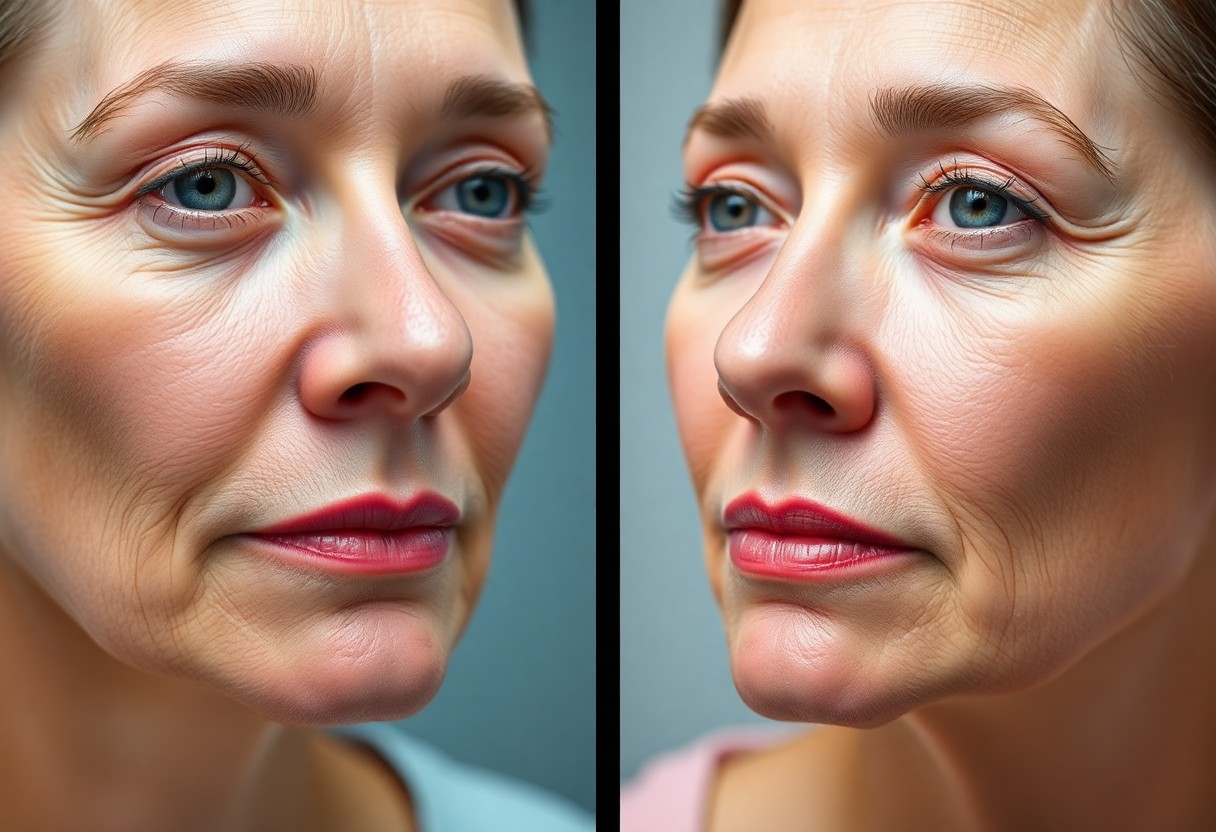
Understanding the key differences between a facelift and a mini facelift can help you make an informed decision tailored to your needs. A facelift typically addresses sagging skin, deep wrinkles, and reshapes the entire face, while a mini facelift focuses on the lower third of the face, providing a subtle lift with minimal invasiveness. These differences affect not only the results but also the techniques used and recovery experiences, necessitating a careful consideration of what you’re aiming to achieve.
Surgical Techniques
The surgical techniques for a facelift and mini facelift vary significantly. A traditional facelift employs more extensive incisions around the hairline and extends down to the neck, allowing for a comprehensive tightening of facial muscles and removal of excess skin. In contrast, a mini facelift requires shorter incisions, often located near the ears, yielding a quicker procedure with less downtime while still achieving noticeable improvements.
Recovery Times
Recovery times differ substantially between a facelift and a mini facelift. While a full facelift can necessitate two to three weeks of downtime, a mini facelift typically allows patients to return to normal activities within one to two weeks. This variance in recovery is attributed to the extent of tissue manipulation and the overall complexity of the procedures involved.
The healing journey following a facelift involves more swelling and bruising, requiring careful management and sometimes more significant pain control. Mini facelift patients, however, often experience milder discomfort and a faster return to their routine, making it an appealing choice for those with tighter schedules. Engaging in light activities during recovery can further expedite healing, but it’s imperative to follow your surgeon’s post-operative guidelines closely.
Ideal Candidates for Each Procedure
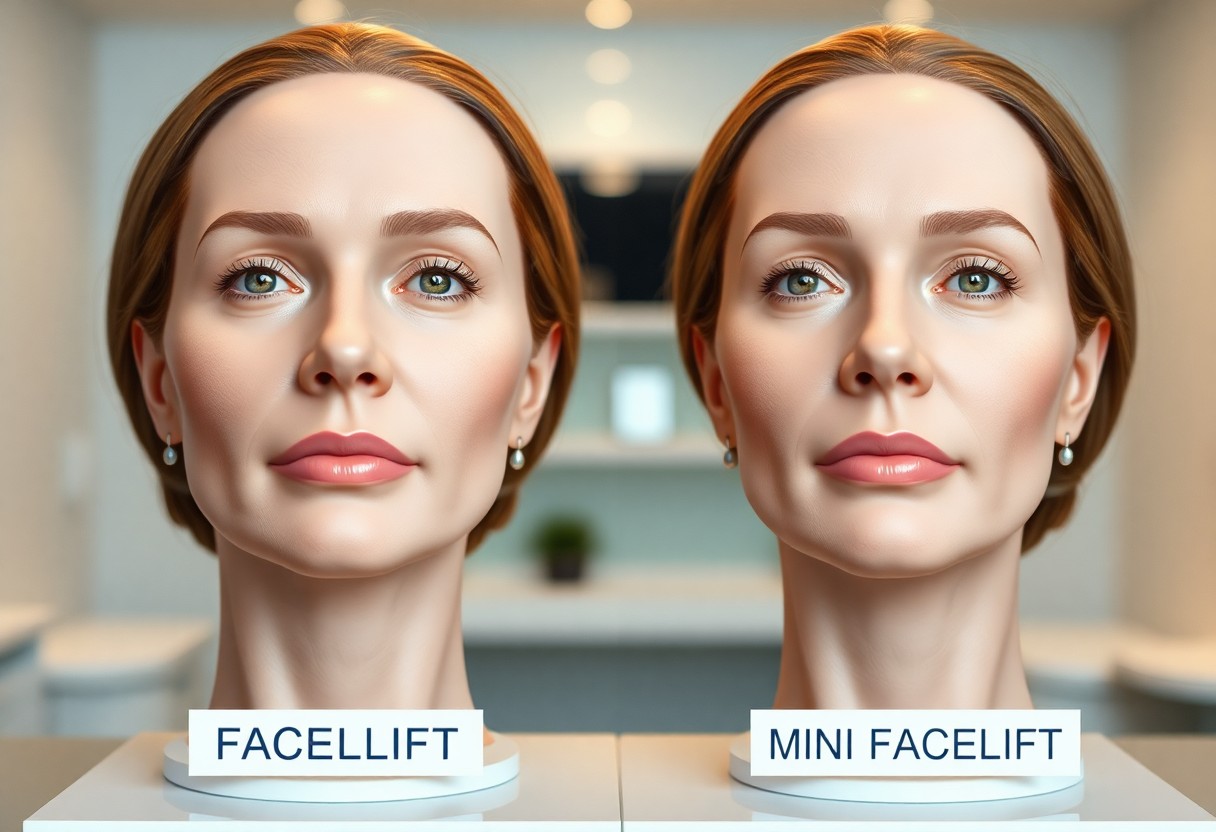
Choosing between a facelift and a mini facelift largely depends on your specific skin condition, age, and desired outcomes. Ideal candidates for a facelift typically exhibit more significant signs of aging, such as deep creases, jowls, and sagging skin. In contrast, individuals who opt for a mini facelift generally have mild to moderate facial laxity and are seeking targeted rejuvenation with minimal downtime.
Who Should Consider a Facelift?
If you’re experiencing advanced signs of aging, a traditional facelift could be the right choice for you. This procedure is best suited for those with pronounced sagging in the cheeks, jawline, and neck, typically adults aged 50 and older seeking comprehensive rejuvenation for a more youthful appearance.
Who is Best Suited for a Mini Facelift?
A mini facelift is ideal for you if you’re in your 40s or 50s and wish to address early signs of aging without the intensity of a full facelift. If your skin has begun to lose elasticity but isn’t yet deeply sagging, this less invasive procedure can provide a refreshed look with shorter recovery time.
Individuals who are best suited for a mini facelift often enjoy the benefits of maintaining good skin elasticity and generally have less extensive aging concerns. This procedure can be particularly effective for those looking to improve specific areas like the lower face and neck without committing to the extensive nature of a full facelift. Additionally, those seeking a quicker recovery period and minimal scars will find the mini facelift an appealing option to rejuvenate their appearance while still maintaining a natural look.

Risks and Considerations
When considering a facelift or mini facelift, it’s vital to weigh the potential risks and factors involved in each option. Understanding these will ensure you make an informed decision that aligns with your goals and expectations. While both procedures yield significant benefits, they also carry inherent risks that should be reviewed closely with your surgeon.
Common Risks of Each Procedure
Common risks include infection, scarring, and anesthesia complications for both facelift and mini facelift procedures. You may also experience temporary numbness, swelling, or bruising, which usually resolve over time. It’s vital to have a thorough consultation to assess your specific health profile, helping to identify how these risks might uniquely affect you.
Post-Operative Care
Post-operative care is vital for both procedures, as proper management can greatly influence your recovery and results. Following your surgeon’s instructions on wound care, activity restrictions, and medication usage will promote healing and minimize complications.
After a facelift or mini facelift, your surgeon will typically provide specific guidelines for optimal post-operative care. This includes keeping your head elevated, applying cold compresses to reduce swelling, and avoiding strenuous activities for several weeks. Regular follow-up appointments will help monitor your recovery progress and ensure that you are healing appropriately. Staying hydrated, following a nutritious diet, and using recommended topical treatments can enhance your results, allowing you to enjoy a rejuvenated appearance sooner.
Cost Comparison
| Procedure | Average Cost |
|---|---|
| Facelift | $7,000 – $15,000 |
| Mini Facelift | $4,000 – $8,000 |
Average Costs of Facelifts
Typically, the average cost of a facelift ranges between $7,000 and $15,000, depending on factors such as the surgeon’s expertise, location, and the complexity of your specific procedure. Additional expenses may include anesthesia, facility fees, and post-operative care, which can further elevate the total price. As you evaluate this option, factor in not just the surgery itself but also the entirety of the financial commitment involved.
Average Costs of Mini Facelifts
A mini facelift generally costs between $4,000 and $8,000, making it a more budget-friendly option compared to a full facelift. This lower price point reflects the less invasive nature of the procedure, which often requires shorter recovery times and fewer resources. Your total cost may vary based on your specific location and the qualifications of your surgeon, so it’s advisable to gather quotes for an accurate estimate.
In many cases, the average costs of mini facelifts also include important elements like facility fees and anesthesia, though these may be lesser than those necessary for a full facelift. Additionally, since mini facelifts can often be performed in outpatient settings, you might find further savings related to hospital stays. Evaluating all these factors can help you decide the most suitable option for your budget.
Final Words
Presently, choosing between a facelift and a mini facelift depends on your individual needs and expectations. A traditional facelift offers extensive rejuvenation for more significant aging signs, while a mini facelift provides a subtler improvement with a shorter recovery time. Assess your facial concerns, desired outcomes, and lifestyle considerations when making your decision. Consulting with a qualified surgeon will help you determine the best option tailored to your unique situation, ensuring you achieve the desirable results you seek.