
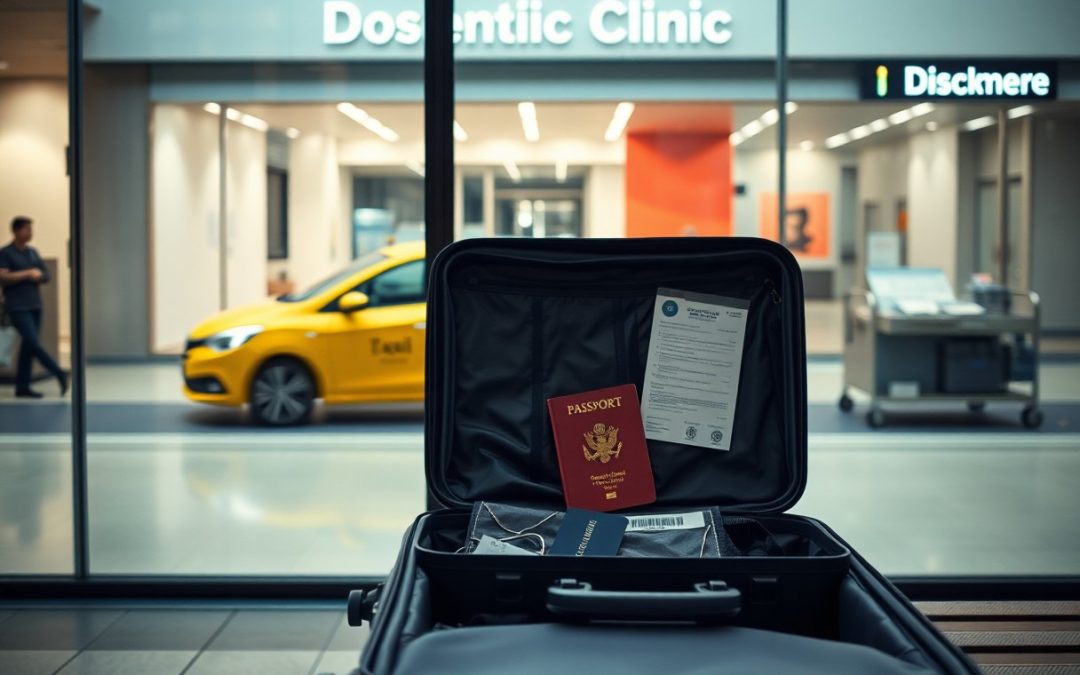
Just because you can travel abroad for cheaper cosmetic surgery doesn’t mean it’s safe or wise. You face real risks like infection, complications from anesthesia, and lack of legal recourse if something goes wrong. Your health, recovery, and long-term results depend on qualified care-something hard to guarantee overseas.
The Allure of the Bargain
Choosing surgery abroad often starts with a simple search for savings. You see dramatic price differences and imagine getting the same results at a fraction of the cost. That appeal can feel irresistible, especially when clinics promise luxury care and quick recoveries in exotic locations. Yet lower prices don’t always mean better value.
The Low Bill
Saving thousands on a procedure tempts you to overlook hidden expenses. You might not factor in travel, follow-up visits, or potential complications. A cheap upfront cost can quickly grow if something goes wrong. What seems like a smart financial move may end up costing more in time, money, and health.
The Long Flight
Sitting for hours after surgery increases your risk of blood clots. You may not realize how dangerous immobility can be when your body is healing. Even if the procedure goes perfectly, the journey home could undo your progress. Recovery starts the moment anesthesia wears off-not when you land.
Extended flights place real strain on your post-op body. Swelling, reduced circulation, and cabin pressure create a risky mix, especially after procedures like tummy tucks or liposuction. You’re unlikely to move enough during a 10-hour flight, and most clinics don’t provide clear guidance on safe travel timing. Skipping compression garments or ignoring movement breaks could lead to serious complications like deep vein thrombosis-something no discount can justify.
The Quality of the Blade
Every incision reflects the skill behind the scalpel. When you travel abroad for cosmetic surgery, you’re trusting a blade guided by standards that may differ from your own country’s. Surgeons in some destinations may lack specialized training or accreditation, increasing the chance of complications. Your safety hinges on more than cost savings-it depends on the precision and experience holding the instrument.
The Foreign Law
Local regulations might offer you little recourse if something goes wrong. In many countries, medical malpractice laws are underdeveloped or difficult for foreigners to navigate. You could face delays, language barriers, or limited legal support when seeking accountability. Relying on foreign legal systems after surgery adds risk you may not be prepared to handle.
The Unknown Doctor
Names listed online don’t always reflect real credentials. You might not know if the surgeon operating on you is certified, experienced, or even licensed in their field. Without verifiable records or professional oversight, you’re placing trust in a stranger whose background remains unclear. That uncertainty can have lasting consequences.
Behind the title and clinic photo may be a practitioner with minimal training in your procedure. Board certification in one country doesn’t guarantee recognition or competence elsewhere. Some surgeons abroad perform multiple specialties without formal fellowship training. You won’t find peer reviews or disciplinary history easily, and local oversight bodies may not publish disciplinary actions. What looks like a flawless profile could hide a track record you’d never accept at home.
The Danger of the Flight
Traveling long distances after cosmetic surgery puts your health at serious risk. Your body needs rest and careful monitoring during early recovery, yet many patients board planes just days after procedures. Sitting for hours increases complications, especially when combined with anesthesia’s lingering effects. You may not realize how vulnerable your body is during this time.
The Pressure in the Tube
Changes in cabin pressure during flight affect how your body heals. As altitude increases, reduced oxygen levels strain healing tissues, especially after procedures involving the face or chest. You might feel short of breath or lightheaded, signs your body is struggling. These shifts can delay recovery or worsen swelling and discomfort.
The Slow Blood
Remaining seated for hours slows your circulation, raising the risk of deep vein thrombosis. You’re more susceptible after surgery because your blood clots more easily. Even mild immobility during a flight can trigger dangerous clots that travel to your lungs. Movement is vital, yet often impossible mid-flight.
Blood flow slows significantly when you’re sedentary, and surgery amplifies this danger. Your veins rely on muscle movement to pump blood back to the heart, but post-op pain or restrictions limit your ability to walk. Compression garments help, but they’re not foolproof. Clots can form without warning, leading to life-threatening pulmonary embolisms. You must weigh convenience against these hidden threats.
The Absence of Recourse
When complications arise after cosmetic surgery abroad, you often face a legal dead end. Your surgeon operates outside your country’s medical oversight, leaving you with little to no legal standing. Insurance rarely covers these procedures, and suing overseas is costly, if not impossible. You’re left managing the fallout on your own.
The Wall of the Border
Distance becomes a barrier when something goes wrong. Crossing borders for surgery means crossing out of your legal and medical safety net. Local regulations may offer minimal patient protections, and language differences can obscure consent forms and aftercare instructions. You assume every risk the moment you book your flight.
The Silent Phone
Your surgeon doesn’t answer after you return home. Messages go unanswered, emails ignored. There’s no obligation for follow-up care, especially across time zones and jurisdictions. You trusted their expertise, but now you’re alone with swelling, pain, or worse-unsure what steps to take next.
That silence isn’t accidental-it’s built into the system. Surgeons in medical tourism hubs often treat patients like one-time transactions, not long-term responsibilities. Without enforceable contracts or accessible licensing boards, you have no leverage. Local clinics may disappear or rebrand, leaving no trace of who operated on you or how to reach them when healing takes a wrong turn.
The False Recovery
Recovery feels faster when you’re in a tropical paradise, but that doesn’t mean healing is complete. You might mistake relaxation for progress, ignoring subtle warning signs your body is still repairing. Returning home too soon can expose complications that weren’t visible at first. Your body needs consistent monitoring, not just scenic distractions.
The Strong Sun
Sun exposure after surgery risks scarring and delays healing, especially with fresh incisions. You may not realize how quickly UV rays affect sensitive skin, even under shade. Many popular surgery destinations come with intense sunlight, making protection crucial. Skip the beach days until your surgeon confirms it’s safe.
The Bad Stitch
A poorly executed closure can lead to visible scarring or infection, often missed in clinics prioritizing speed over precision. You assume sterility and skill are standard, but standards vary widely across borders. Subpar suturing might not hurt at first, but long-term effects become impossible to ignore.
When a surgeon rushes the stitching process or uses incorrect technique, the results go beyond cosmetic flaws. You could face wound dehiscence, prolonged swelling, or nerve irritation that requires corrective procedures. These issues often emerge weeks later, once you’re back home and far from the original provider. Follow-up care becomes complicated, and local doctors may not be familiar with the methods used abroad.
The Revision Debt
Every cosmetic procedure carries the potential for follow-up surgeries, and traveling abroad doesn’t erase that reality. You may save upfront, but complications or unsatisfactory results often lead to corrective procedures-usually closer to home, where costs are higher. These revisions add up, turning initial savings into long-term expenses you hadn’t planned for.
The Local Price
You might pay less for surgery overseas, but fixing issues afterward usually happens in your home country. Local surgeons charge full rates to correct foreign procedures, and insurance rarely covers these revisions. What seemed like a bargain can quickly become more expensive than having the surgery locally from the start.
The Second Knife
Returning to the operating room is more common than you think, especially with complex cosmetic procedures. Surgeons abroad may not be equipped or willing to handle revisions, leaving you to find care back home. Each additional surgery increases physical risk and emotional strain.
Revisions aren’t just inconvenient-they’re medically taxing. Scar tissue from the first surgery complicates recovery, and finding a local surgeon willing to take on another doctor’s work can be difficult. You’re not just paying more; you’re asking your body to endure more, often without the continuity of care needed for optimal outcomes.
To wrap up
You face real dangers when traveling abroad for cosmetic surgery-variable standards, communication gaps, and limited recourse if complications arise. While cost savings may appeal, your health and safety depend on qualified care close to home. Choosing a licensed, experienced provider nearby ensures proper follow-up and reduces avoidable risks.