
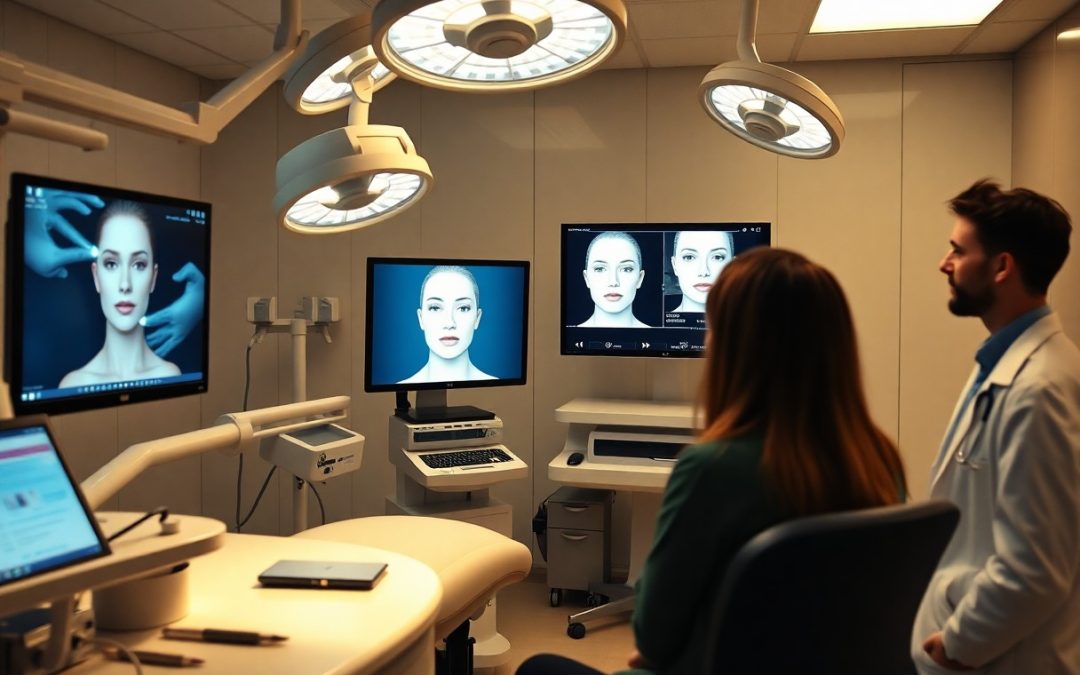
There’s no denying that technology has transformed the cosmetic surgery landscape, enhancing both your pre-operative and post-operative experiences. With innovations like 3D imaging, virtual consultations, and advanced minimally invasive techniques, you can make more informed decisions and enjoy faster recovery times. These advancements empower you to visualize your potential results, access expert care remotely, and receive personalized treatment plans tailored to your unique needs. As you explore your options, understanding how technology influences the cosmetic surgery experience can lead to better outcomes and heightened confidence in your choices.
The Digital Transformation of Consultation Processes
Your experience begins long before you step into a clinic, thanks to digital advancements that streamline and enhance the consultation process. Online platforms now allow you to research, ask questions, and even connect with experts from the comfort of your home. The shift from in-person to digital consultations signifies improved access to information, making it easier for you to weigh your options and make informed decisions about your cosmetic surgery journey.
Virtual Consultations: Convenience Meets Accessibility
Virtual consultations provide a seamless way for you to connect with cosmetic surgeons, eliminating geographical barriers and travel expenses. You can engage in face-to-face conversations via video calls, allowing you to discuss your aesthetic goals, ask questions, and receive initial assessments without leaving your living room. This format offers flexibility in scheduling and instills a sense of comfort as you explore your options in a familiar environment.
AI-Powered Assessments: Personalized Recommendations
AI-driven tools analyze your unique facial features and body proportions, generating tailored recommendations that align with your aesthetic desires. These assessments leverage vast databases and algorithms to predict outcomes based on your specific needs, making the decision-making process remarkably efficient and personalized.
AI-powered assessments utilize advanced imaging technology and machine learning algorithms to deliver accurate predictions tailored to your individual features. By inputting photographs or detailed information about your desired outcomes, these tools can suggest procedures and techniques most likely to achieve the results you envision. A study showed that 75% of users found AI-generated recommendations to be more aligned with their expectations compared to traditional consultations. This level of personalization not only enhances your understanding of options but also fosters confidence in the surgical decisions you are considering.
The Role of Advanced Imaging Technology
Advanced imaging technology has revolutionized the cosmetic surgery experience, offering unprecedented precision and insight into surgical outcomes. Techniques such as 3D visualization and augmented reality provide both surgeons and patients with a clear understanding of potential results, ultimately enhancing satisfaction and safety.
- Improved patient consultations.
- Enhanced surgical planning.
- Realistic outcome predictions.
- Increased patient confidence.
- Efficient communication between patient and surgeon.
Table: Benefits of Advanced Imaging Technology
| Benefit | Description |
|---|---|
| Patient Education | Provides clarity on procedures and outcomes. |
| Customization | Allows tailored surgical plans based on individual anatomy. |
| Risk Reduction | Minimizes unexpected complications with better planning. |
3D Visualization: Setting Realistic Expectations
3D visualization tools empower you to see a lifelike representation of potential outcomes before undergoing any procedure. This technology allows both you and your surgeon to explore various options and discuss potential results more concretely, ensuring that you have realistic expectations based on your unique anatomy.
Augmented Reality: Enhancing Pre-Surgery Planning
Augmented reality integrates digital information with your physical environment, allowing you to visualize how surgical changes will look on your body in real-time. This immersive experience helps to align your expectations with the surgical plan, fostering effective communication with your surgeon.
The use of augmented reality in pre-surgery planning increases your engagement in the process. By superimposing potential results directly onto your image, you can make more informed decisions about your procedure. Studies indicate that patients who use augmented reality during consultations are more likely to feel satisfied with their surgical outcomes, as they clearly understand the transformations they can expect. As technology continues to evolve, its role in successfully shaping patient experiences will only become more significant.
Smart Techniques Enhancing Surgical Precision
Innovative techniques in cosmetic surgery leverage high-tech advancements to ensure remarkable accuracy and improved outcomes. These smart methodologies minimize the risk of complications and enhance the effectiveness of surgical procedures. By integrating tools like 3D imaging and AI-driven analytics, you can expect greater control over surgical precision, resulting in tailored solutions for your aesthetic goals.
Robotics in Cosmetic Surgery: Precision Redefined
Robotic-assisted surgery has emerged as a game-changer in cosmetic procedures, allowing surgeons to perform complex operations with enhanced precision. These systems utilize advanced algorithms and dexterous instruments for meticulous execution, which significantly reduces the margin for error. You benefit from more accurate incisions and a minimized risk of complications, leading to better overall results.
Minimally Invasive Procedures: Reducing Recovery Times
Minimally invasive techniques have transformed the landscape of cosmetic surgery, enabling you to undergo procedures with significantly reduced recovery times. By utilizing small incisions and advanced instruments, surgeons can perform operations that result in less trauma to your body. This means you experience less pain, quicker healing, and a faster return to your daily activities.
Minimally invasive procedures, such as endoscopic facelifts or laser liposuction, exemplify how technology streamlines surgery while enhancing safety and effectiveness. For instance, laser liposuction involves tiny incisions and uses laser energy to dissolve fat, leading to minimal bleeding and quicker healing times of just a few days. With these options, you can achieve your desired outcomes without the extensive downtime traditionally associated with more invasive surgeries, allowing you to enjoy your results sooner. Studies have shown that patients opting for minimally invasive procedures often return to normal activities within just one week, showcasing the profound impact of these techniques on your cosmetic surgery experience.
Telehealth and Post-Operative Care
Telehealth transforms the post-operative care landscape by facilitating regular check-ins with your surgeon from the comfort of your home. Accessing care remotely reduces travel stress and allows for timely interventions when questions or concerns arise post-surgery. Virtual consultations have quickly become a practical extension of your recovery process, ensuring you remain guided and informed every step of the way.
Remote Monitoring: Ensuring Continuous Support
Remote monitoring tools enable you to share your recovery metrics in real-time, allowing your healthcare provider to track your progress efficiently. Using wearable devices, you can maintain accurate readings of vital signs and other important health indicators, helping ensure that any potential issues are promptly addressed. This ongoing surveillance enhances your safety and fosters peace of mind throughout your recovery journey.
Digital Follow-ups: The New Norm for Patient Communication
Digital follow-ups streamline communication between you and your surgeon after the procedure. These check-ins typically involve structured questionnaires and video calls, providing valuable feedback about your healing progress. Embracing this technology allows for clearer conversations regarding your post-operative health, leading to more tailored care plans that fit your evolving needs.
Digital follow-ups are becoming standard practice, enhancing the way you interact with your medical team. Many clinics have adopted platforms that allow you to easily submit photos of your surgical site, share concerns, or ask questions at any time. This direct line of communication not only fosters trust but also encourages you to be more engaged in your healing process. As a result, adjustments to your recovery plan can be made swiftly, paving the way for improved outcomes and satisfaction with your cosmetic surgery experience.
The Ethics of Technology in Cosmetic Surgery
Ethical considerations in cosmetic surgery have gained prominence with the integration of technology. As procedures become more accessible through innovative tools and platforms, the potential for exploitation increases. Ensuring informed consent, transparent communication about risks, and realistic expectations is vital to maintaining patient welfare and trust in the evolving landscape of cosmetic procedures.
Data Privacy: Safeguarding Patient Information
As cosmetic surgery integrates technology, safeguarding patient data becomes paramount. Your personal information, including medical history and treatment options, is vulnerable to breaches. Cosmetic surgeons must implement robust cybersecurity measures, ensuring compliance with regulations like HIPAA to protect your sensitive data from unauthorized access and misuse.
Misinformation Online: Navigating the Digital Landscape
Your journey into cosmetic surgery often involves researching online, where misinformation can skew your perceptions and decisions. Access to a plethora of unchecked sources makes it challenging to discern fact from fiction, leading to misunderstandings about procedures, risks, and outcomes. Identifying credible resources is vital for making informed choices in this complex arena.
Navigating the sea of information online requires diligent scrutiny. Many individuals turn to social media platforms, forums, and blogs that may present anecdotal experiences rather than medical facts. Research shows that 70% of patients consult online reviews before selecting a cosmetic surgeon. Consequently, a single viral post can significantly influence your perception, regardless of its accuracy. Staying rooted in evidence-based information and consulting reputable medical specialty sites can empower you in decision-making and safeguard against the pitfalls of misinformation.
Final Words
So, as you navigate the evolving landscape of cosmetic surgery, technology plays a transformative role in enhancing your experience. From advanced imaging techniques that provide realistic previews to virtual consultations that save you time, these innovations are designed to empower your decisions. Embracing these technological advancements not only improves safety and recovery but also connects you with professionals more efficiently, ensuring that your journey aligns with your personal aesthetic goals. A well-informed approach, supported by technology, can significantly enhance your satisfaction and confidence in cosmetic enhancements.