
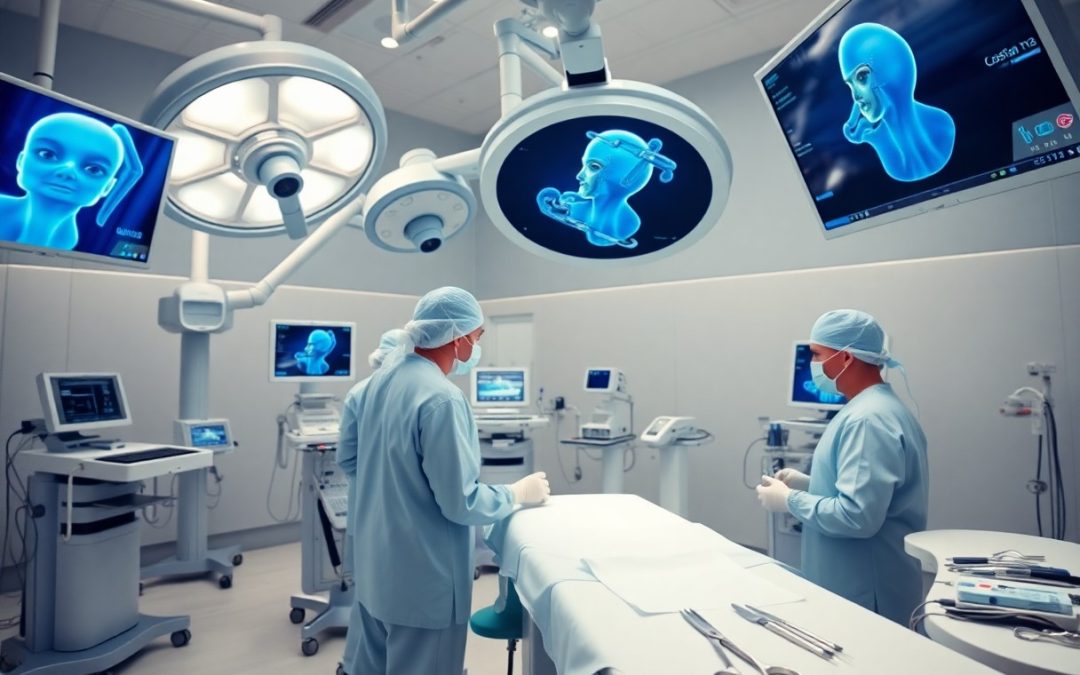
Cosmetic surgery has evolved dramatically with advancements in technology, allowing you to achieve more precise and satisfying results than ever before. From 3D imaging to minimally invasive techniques, the tools available today empower surgeons to enhance your natural beauty while minimizing recovery time. In this blog post, you will learn how these technological innovations have transformed the landscape of cosmetic procedures, making them safer, more effective, and tailored to your unique preferences.
The Technological Transformation of Surgical Techniques
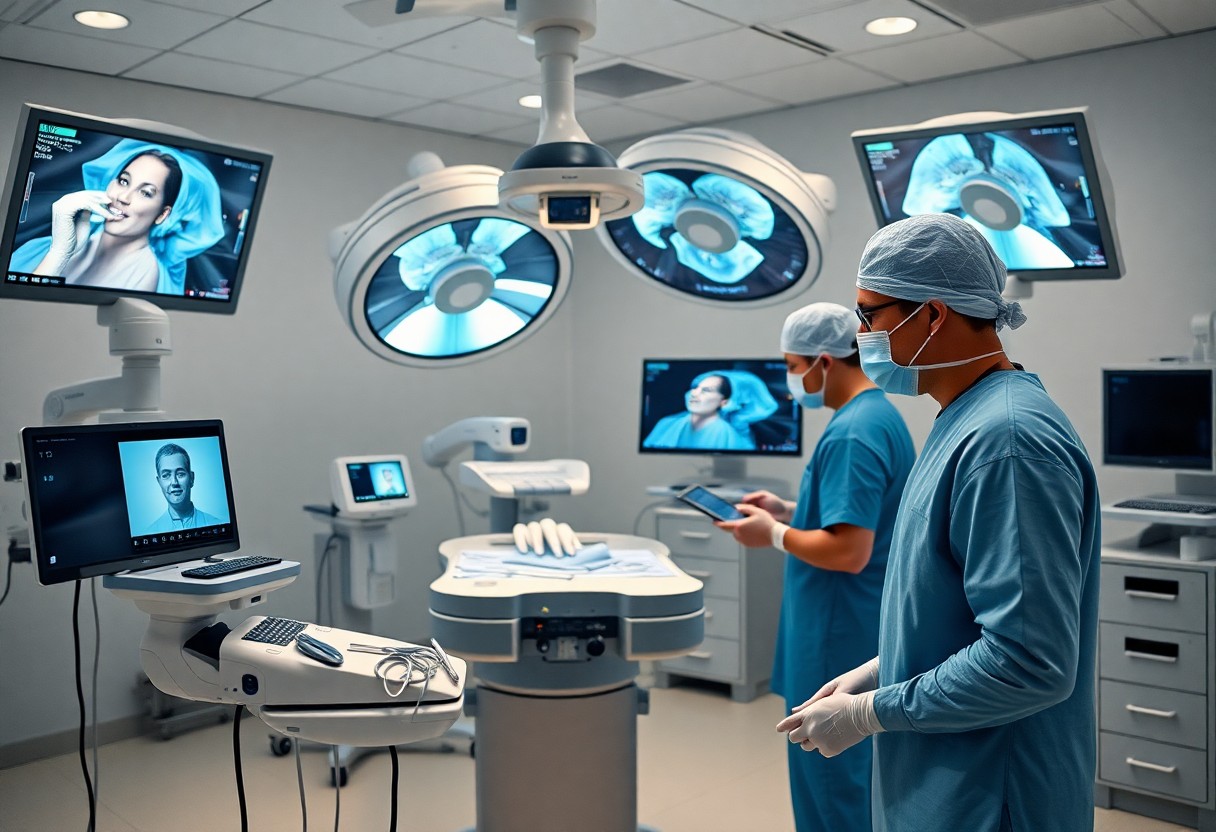
Your understanding of cosmetic surgery is evolving as technology enhances surgical precision and patient safety. Techniques that once demanded extensive recovery times are being redefined, thanks to innovations that decrease risks and improve outcomes. Surgeons now leverage advanced imaging systems and high-definition visualization to plan and execute complex procedures with unparalleled accuracy.
Minimally Invasive Innovations in Cosmetic Surgery
Minimally invasive cosmetic techniques significantly reduce recovery time and scarring, allowing for quicker return to daily activities. Techniques such as endoscopic surgery utilize small incisions, leading to less trauma and fewer complications. As a result, you may experience a smoother, faster healing process, which directly contributes to your satisfaction with the overall results.
Advanced Surgical Robots: Precision in the Operating Room
Advanced surgical robots have revolutionized the operating room by offering enhanced precision, flexibility, and control during procedures. These robotic systems enable you to undergo surgery with minimized invasiveness, leading to less pain and quicker recovery periods. Surgeons utilize these robotic arms for intricate tasks, allowing for unparalleled dexterity and accuracy in delicate surgeries.
- Improved surgical precision
- Reduced recovery times
- Lower complication rates
| Feature | Description |
| High-definition 3D visualization | Enhances surgeon’s view of intricate structures |
| Increased range of motion | Allows for more complex maneuvers than traditional methods |
The integration of advanced surgical robots into cosmetic procedures represents a leap forward in surgical capabilities. These systems have been associated with shorter hospital stays, allowing you to enjoy your results sooner. Statistically, procedures performed with robotic assistance often report lower blood loss and reduced need for follow-up surgeries, meaning you can trust your chosen option for both efficiency and safety.
- Shorter hospital stays
- Lower blood loss during surgery
- Minimal follow-up surgery required
| Advantage | Impact on Patients |
| Fewer complications | Improved patient safety and satisfaction |
| Precision surgical techniques | Enhanced aesthetic outcomes with minimal invasiveness |
The Impact of Imaging Technology on Patient Expectations
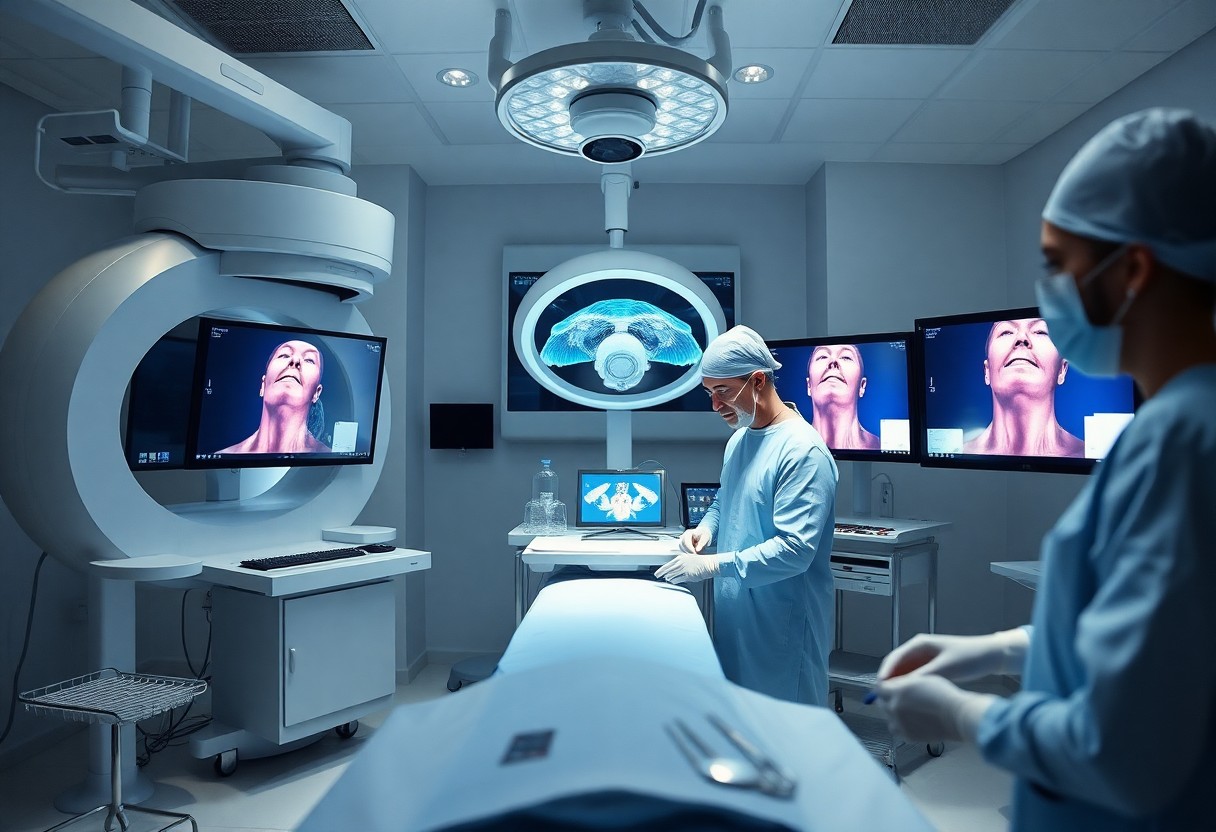
Imaging technology significantly influences your expectations surrounding cosmetic surgery outcomes. By providing realistic visualizations of potential results, these advanced tools empower you to make informed decisions. When you see a credible representation of what can be achieved, your confidence in the procedure and your surgeon increases. This clarity often leads to more realistic anticipations, as you’re better equipped to understand the possibilities and limitations of various procedures instead of relying solely on verbal descriptions or previous cases.
3D Imaging and Simulation: Visualizing Surgery Outcomes
3D imaging and simulation tools let you explore a detailed, lifelike preview of your potential surgical results. By transforming your preoperative images into three-dimensional representations, these technologies allow you to visualize changes from multiple perspectives. This innovative approach not only enhances your understanding of the surgical process but also helps align your expectations with achievable outcomes, fostering a collaborative dialogue between you and your surgeon.
Virtual Reality: Enhancing the Preoperative Experience
Virtual reality (VR) takes the preoperative experience a step further by immersing you in a simulated environment where you can explore your surgical options in real-time. This technology creates a three-dimensional space where you can walk through simulations of different procedures, allowing you to visualize how these changes will manifest on your own body. With VR, you can observe animations depicting the surgical process, which can demystify what to expect when you undergo surgery.
The integration of virtual reality into the preoperative phase empowers you to engage with the surgical journey actively. By experiencing various scenarios and understanding the nuances of each procedure, you gain a deeper appreciation of the surgical process and its potential outcomes. Studies indicate that patients who utilize VR prior to surgery often report reduced anxiety and improved satisfaction with the surgical journey, ultimately contributing to a more positive overall experience. As you visualize the transformations firsthand, you’re not just stepping into the operating room but stepping confidently into the next chapter of your personal aesthetic journey.
Data-Driven Decisions: The Role of AI in Cosmetic Procedures
Artificial Intelligence (AI) is revolutionizing the landscape of cosmetic surgery by facilitating data-driven decisions. By analyzing vast amounts of patient data, AI systems can predict outcomes, enhance surgical techniques, and personalize treatments. Machine learning algorithms process historical patient information to identify trends, enabling surgeons to refine their approaches and provide more satisfying results tailored specifically to your unique anatomy and preferences.
Predictive Analytics: Tailoring Treatments to Individual Needs
Predictive analytics leverages patient data to customize cosmetic procedures, ensuring that your treatment plan aligns with your specific desires and physiological characteristics. By evaluating existing data on past surgeries and outcomes, professionals can predict the potential success rates and address your unique concerns, leading to a more satisfying surgical experience and optimized recovery.
Machine Learning in Postoperative Care and Outcomes
Machine learning plays a vital role in enhancing postoperative care by monitoring recovery patterns and predicting complications. By analyzing data from numerous patients, AI can identify signs of potential issues, allowing your healthcare team to intervene earlier. This proactive approach not only boosts recovery times but also improves overall patient satisfaction.
For instance, AI tools integrated into postoperative care track your vital signs and recovery metrics in real time. By comparing this data to a vast database of similar cases, the system can flag concerns before they escalate into serious complications. A study demonstrated that AI-assisted monitoring reduced hospital readmissions by up to 30%, highlighting the effectiveness of machine learning in optimizing healing processes and ensuring you receive the best possible care after surgery. By harnessing data-driven insights, you can achieve better outcomes and a smoother recovery journey.
Safety and Efficacy: The Evolution of Monitoring Tools
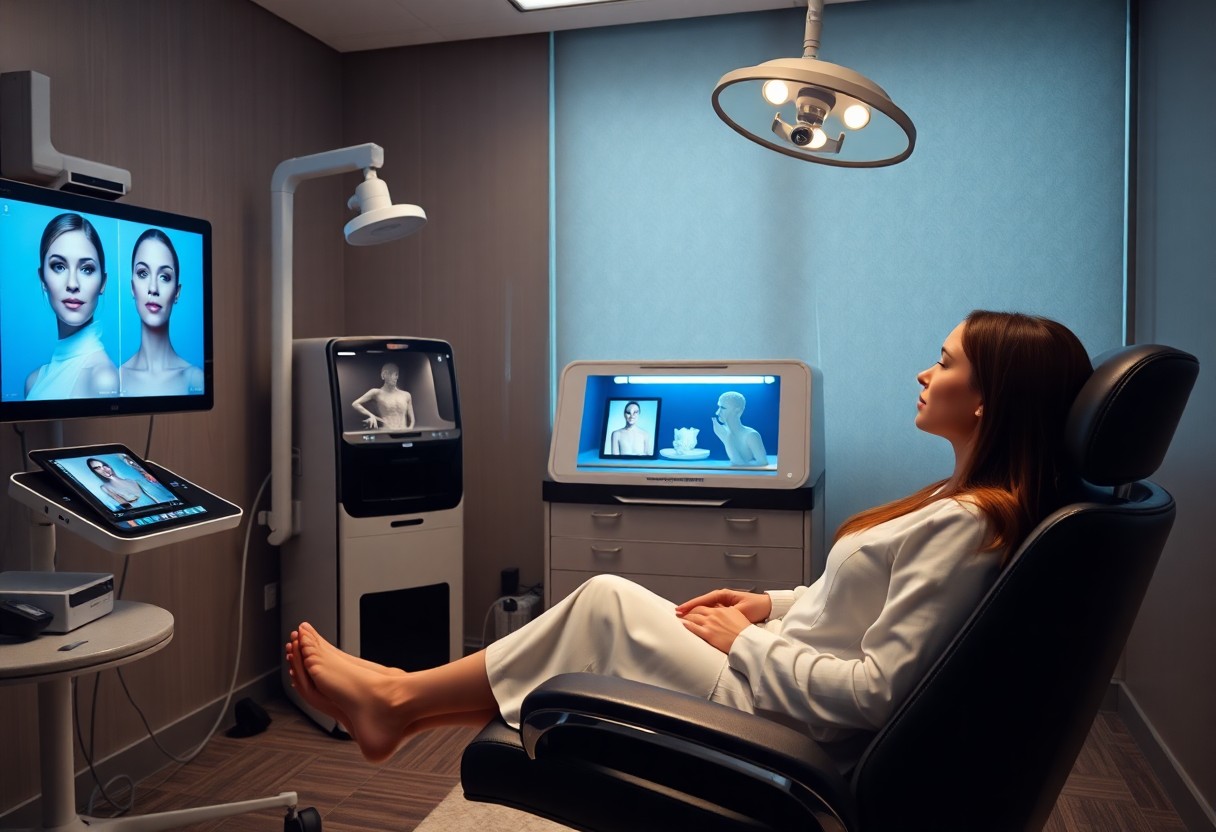
The emergence of advanced monitoring tools has revolutionized cosmetic surgery safety and efficacy. These tools enable practitioners to track patients’ health parameters with high precision and adapt techniques accordingly. Continuous advancements in technology have led to the incorporation of sophisticated algorithms and data analytics, allowing for a proactive approach to care. As a result, surgical outcomes have greatly improved, minimizing complications and enhancing overall patient experiences.
Real-Time Health Monitoring for Better Patient Safety
Real-time health monitoring systems play a pivotal role in ensuring patient safety during cosmetic procedures. Wearable devices equipped with sensors can track vital signs like heart rate, oxygen saturation, and blood pressure, providing surgeons with immediate feedback. This capability allows for swift intervention if any abnormalities arise, significantly reducing the risks associated with surgery. Data from these devices can also be analyzed post-operatively to assess recovery patterns, leading to better-informed decisions in patient care.
Telemedicine: A New Frontier in Post-Surgical Follow-ups
Telemedicine transforms the landscape of post-surgical follow-ups by providing convenient, effective options for patient care. Through virtual consultations, you can connect with your surgeon from the comfort of your home, eliminating the need for in-person visits that may be inconvenient or challenging during recovery. This technology not only saves time but also enhances communication, making it easier to address any concerns that arise after your procedure.
As you navigate your recovery journey, telemedicine ensures that you maintain a direct line of communication with your surgical team. Many practices now utilize secure platforms for video consultations, enabling you to discuss healing progress, receive personalized advice, and even share images of your surgical site for immediate feedback. This level of accessibility not only eases anxiety but promotes quicker adjustments in your care plan, should any issues warrant early attention. In essence, telemedicine has made consistent and thorough postoperative monitoring more attainable, securing better results and improved patient satisfaction.
Societal Trends: Technology’s Influence on Beauty Standards
Beauty standards have dramatically shifted, heavily influenced by technological advancements in cosmetic surgery and the pervasive nature of social media. The desire for perfection often reflects the standards propagated online, where altering one’s appearance through surgery has become more normalized. This shift not only allows individuals to enhance their looks but also perpetuates a narrow definition of beauty that many feel pressured to conform to. As cosmetic procedures become more accessible and widely accepted, the line between natural beauty and enhanced beauty continues to blur.
Social Media and Image Enhancement: Setting New Norms
Social media platforms have created a unique environment where image enhancement is not just common but celebrated. You likely see countless influencers and celebrities sharing their “best selves,” often post-surgery or digitally altered. This exposure can skew your perception of beauty, leading to an expectation for flawless appearances. The power of likes and shares further complicates this, as the most “liked” images often set the stage for what’s considered desirable, driving you to seek similar enhancements to achieve social validation.
The Psychological Effects of Digital Beauty Filters and Surgery
The use of digital beauty filters can distort your self-image and expectations, leading to a phenomenon known as “filter dysphoria.” When you consistently see idealized versions of yourself online, it’s natural to start feeling dissatisfied with your unfiltered appearance. This discontent can drive individuals to pursue cosmetic surgery in a bid to close the gap between their real selves and the digital personas they admire. The result is a troubling cycle of seeking validation through altered appearances, both digitally and physically.
This psychological impact is significant, as research indicates that people who frequently use beauty filters tend to experience increased anxiety and lower self-esteem regarding their looks. A study published in the Journal of Aesthetic Surgery highlighted that 55% of individuals said they felt pressure to look like filtered images, resulting in a surge of interest in cosmetic enhancements. As you engage with social media, this growing dependency on visuals can lead to unrealistic comparisons, making it difficult to appreciate your unique features and find contentment in your natural appearance.
Summing up
Ultimately, understanding the role of technology in today’s cosmetic surgery can empower you to make informed decisions about your procedures. From advanced imaging techniques to minimally invasive methods, technology enhances precision, safety, and outcomes, ensuring that you achieve the results you desire. As you navigate your cosmetic journey, staying informed about these innovations will help you feel more confident in the options available to you and in the expertise of your chosen professionals.