

With the rapid advancements in technology and techniques, modern cosmetic surgery has evolved into a sophisticated blend of art and science. You may be considering various procedures to enhance your appearance or boost your confidence. In this informative blog post, you will explore the intricate balance between aesthetics and medical expertise that drives successful outcomes in cosmetic surgery. From understanding the latest innovations to recognizing the importance of personalized care, you’ll gain insights that can help you make informed decisions about your cosmetic journey.
The Historical Evolution of Cosmetic Surgery
The journey of cosmetic surgery traces back thousands of years, rooted in diverse cultures that sought both artistic and medical enhancements. Early practices involved rudimentary techniques aimed at reconstructing features lost to injury or illness, gradually evolving into more sophisticated methods that reflect changing societal values and beauty standards.
From Ancient Practices to Modern Techniques
Your understanding of cosmetic surgery’s history begins with ancient civilizations, such as the Egyptians, who utilized techniques to repair damaged skin and enhance appearance. As cultures progressed, the Greeks and Romans began to focus on aesthetic ideals, laying the groundwork for surgical interventions that would evolve into the complex procedures available today.
Key Milestones and Cultural Shifts in Perception
Cultural attitudes towards cosmetic surgery have transformed significantly over the centuries. In the 20th century, the development of anesthesia and sterile techniques revolutionized surgical safety and efficacy. Public figures openly discussing their surgeries in the 1980s and 1990s shifted perceptions, making cosmetic procedures more acceptable and mainstream. Statistical data indicates that by 2021, over 18 million cosmetic surgeries were performed in the U.S. alone, highlighting a societal embrace of these enhancements.
Each milestone in the evolution of cosmetic surgery showcases a reflection of societal values and scientific advancements. For example, the introduction of silicone breast implants in the 1960s not only transformed the cosmetic landscape but also sparked vital discussions regarding body image and self-identity. The rise of reality television and social media further propelled the normalization of cosmetic procedures, creating a culture where enhancements are often celebrated rather than stigmatized. You witness firsthand how these shifts continue to influence your perspectives and decisions surrounding cosmetic surgery today.
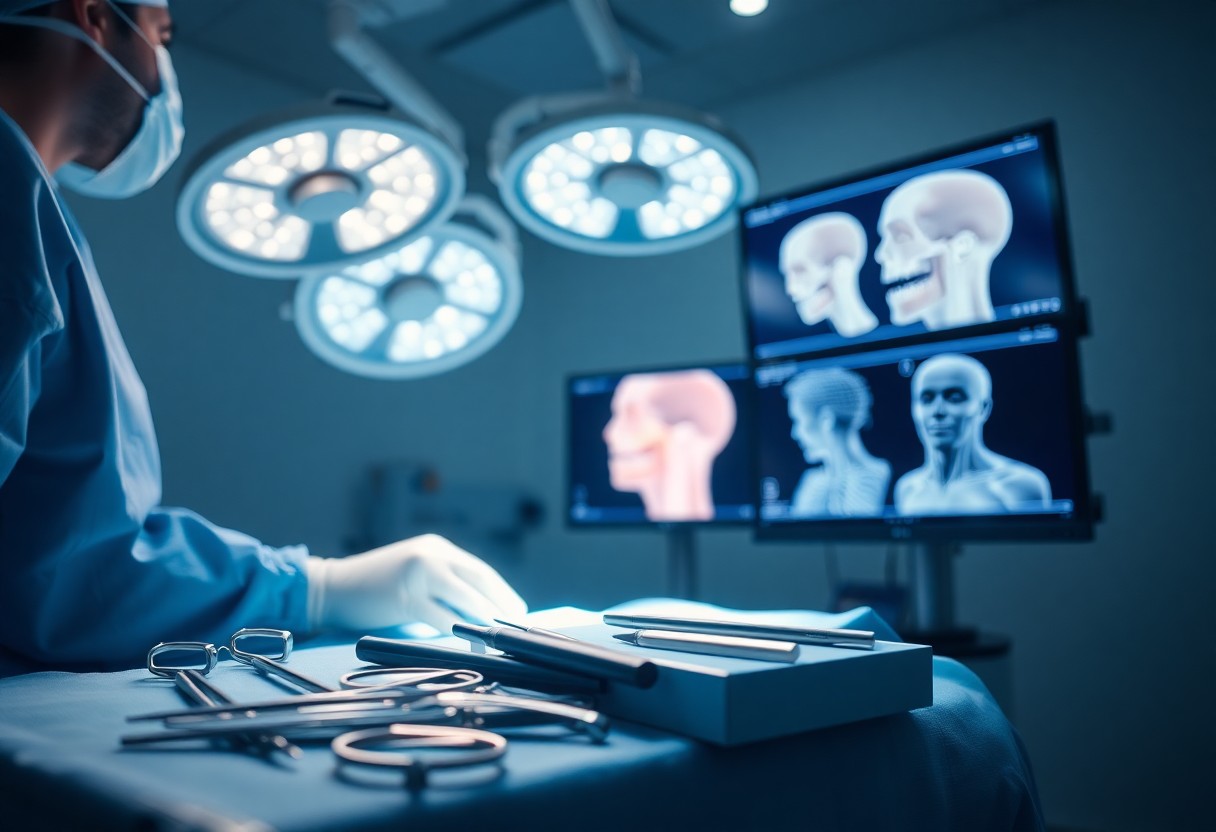
The Intersection of Artistry and Surgical Precision
The marriage of artistry and surgical precision elevates modern cosmetic surgery beyond mere technical execution. Skilled surgeons draw upon their artistic sensibility to create aesthetically pleasing results while adhering to the strict guidelines of surgical practice. The successful outcome relies not just on expertise with surgical instruments but on an understanding of beauty that is deeply rooted in artistic principles, allowing for transformative changes that resonate on both physical and emotional levels.
The Role of Aesthetics in Surgical Design
Aesthetics play a fundamental role in surgical design, influencing every decision from initial consultation to final result. Surgeons assess facial features, body contours, and proportions to deliver results that harmonize with your unique anatomy. This emphasis on aesthetics ensures that procedures are not merely corrective but also enhancing, empowering you to achieve your desired look and feel comfortable in your own skin.
Artistic Principles: Symmetry, Proportion, and Balance
Symmetry, proportion, and balance are not just abstract concepts; they form the foundation of beauty in cosmetic surgery. You might be surprised to know that the human eye tends to favor symmetrical features, which contribute to perceptions of attractiveness. Proportion relates to the relationship between various facial and bodily structures, while balance ensures that enhancements do not disrupt the overall harmony of your appearance. A surgeon’s ability to navigate these principles is what ultimately defines the artistry involved in your procedure.
Diving deeper into the principles of symmetry, proportion, and balance reveals their pivotal roles in shaping successful surgical outcomes. Research indicates that faces with a higher degree of symmetry are often perceived as more attractive, influencing surgical decisions regarding rhinoplasties or facelifts. Proportion plays a significant part in defining features in relation to one another—think about how a well-contoured jawline complements cheekbones. Achieving balance ensures that modifications enhance natural beauty rather than create a drastic change that feels out of character. Surgeons blend these principles, allowing for tailored solutions that resonate with your individual aesthetics while upholding the timeless standards of beauty.

Technological Innovations Transforming Procedures
Innovations in technology are reshaping the landscape of cosmetic surgery, making procedures more efficient, precise, and patient-friendly. Techniques like laser therapy and minimally invasive methods have significantly reduced recovery times and risks, enhancing overall satisfaction for you as the patient. Advanced tools, such as robotics and 3D imaging, enable surgeons to visualize and plan surgeries with remarkable accuracy, resulting in better outcomes tailored to your unique anatomy.
The Impact of 3D Imaging and Simulation
3D imaging has revolutionized pre-surgical planning by providing you with realistic simulations of potential outcomes. Surgeons can create a detailed representation of your facial structure or body contours, allowing for more informed decisions and ensuring that you have a clear understanding of what to expect after the procedure.
Minimally Invasive Techniques: Advancements and Benefits
The evolution of minimally invasive techniques has transformed the way cosmetic surgery is performed, offering numerous benefits such as reduced scarring, less postoperative pain, and shorter recovery times. These methods often utilize smaller incisions and specialized instruments, which means that you’ll experience a less traumatic surgical process and quicker return to your daily activities.
Minimally invasive techniques, like endoscopic surgery and laser treatments, have gained prominence due to their sophisticated approaches and impressive results. For instance, some laser treatments allow for skin tightening and fat reduction without the need for extensive surgical procedures. Additionally, technologies like radiofrequency and ultrasound are utilized in everything from body sculpting to facial rejuvenation, producing lasting results with minimal disruption. With continuous improvements, these procedures are now more accessible, enabling you to achieve your desired aesthetic goals without the lengthy downtime associated with traditional surgeries.
The Psychological Dimensions of Cosmetic Surgery
Delving into the psychological aspects of cosmetic surgery reveals complexities that often transcend physical appearances. Many individuals seek enhancements for reasons rooted in personal experience, societal pressures, or emotional well-being, illustrating a deep connection between self-perception and surgical outcomes.
Understanding Patient Motives: Beyond Vanity
Cosmetic surgery often serves as a means of addressing insecurities tied to personal or social experiences. For you, the desire for change may arise from a pivotal moment, such as a life-altering event or ongoing self-esteem struggles. Understanding these motivations helps paint a fuller picture of your journey, showcasing that the quest for enhancement can be deeply personal and multifaceted.
The Effects of Surgery on Self-Image and Well-being
The psychological impact of cosmetic surgery can be profound, influencing not just how you perceive yourself but also how you engage with the world around you. Studies show that individuals often report improved self-esteem and increased confidence post-surgery. Positive transformations can lead to enhanced social interactions and a more vibrant lifestyle, reflecting a connection between the internal sense of self and external appearance.
Research indicates that approximately 86% of patients experience significant improvements in their body image and quality of life after surgery. This shift can manifest in various ways, such as feeling more comfortable in social settings or embracing activities previously avoided due to low self-esteem. However, it’s vital to note that not everyone experiences these benefits similarly. Some may grapple with unrealistic expectations, leading to feelings of disappointment if the desired outcomes aren’t realized. Thus, fostering a comprehensive understanding of both the positive effects and potential pitfalls is vital for anyone considering surgery.

Navigating Risks and Ethical Considerations
Facing your options in cosmetic surgery inevitably involves understanding the associated risks and ethical considerations. Every procedure comes with potential complications, such as infection or dissatisfaction with results. You should have an open dialogue with your surgeon about these risks, as well as the protocols in place to mitigate them. Ethical practices in the industry are not merely guidelines, but important to ensuring that your safety and expectations are prioritized throughout the surgical journey.
Potential Complications and the Importance of Informed Consent
Among the most pressing issues in cosmetic surgery are potential complications that may arise, underscoring the necessity of informed consent. You must fully grasp the risks, benefits, and alternatives before agreeing to any procedure. Surgeons often utilize detailed consent forms, but it’s vital to engage in conversations that clarify any uncertainties you may have, ensuring that your decision is well-informed and aligned with your expectations.
Ethical Dilemmas: Industry Standards and Patient Expectations
Balancing industry standards with patient expectations often leads to ethical dilemmas that require thoughtful consideration. Surgeons are tasked not only with enhancing appearance but also with navigating personal motivations and societal pressures that drive individuals to seek cosmetic changes. For instance, the rise of digital manipulation in social media can amplify unrealistic expectations. Acknowledging this aspect allows you to better understand the motivations behind your choices while encouraging a more ethical approach from practitioners.
With the prevalence of filters and edited images on social media, it’s easy to develop distorted ideals of beauty. Some patients may pursue cosmetic procedures influenced by these unattainable standards, leading to challenges for surgeons who must balance patient desires with realistic outcomes. Establishing clear communication regarding what can realistically be achieved is important. Surgeons may find themselves in ethical dilemmas when pressured to perform procedures solely for aesthetic satisfaction without addressing underlying psychological needs. This dynamic prompts ongoing discussions within the field about the responsibility of practitioners to guide patients toward healthier, more realistic perspectives on their appearance and self-worth.
Conclusion
Taking this into account, understanding the art and science of modern cosmetic surgery empowers you to make informed decisions about your aesthetic journey. With advancements in techniques and technology, these procedures can enhance your appearance while ensuring safety and precision. As you weigh your options, it’s important to consider not just the physical outcomes, but also how these transformations align with your personal values and goals. Ultimately, a well-considered approach will enable you to achieve the results you desire while fostering confidence in your choices.