
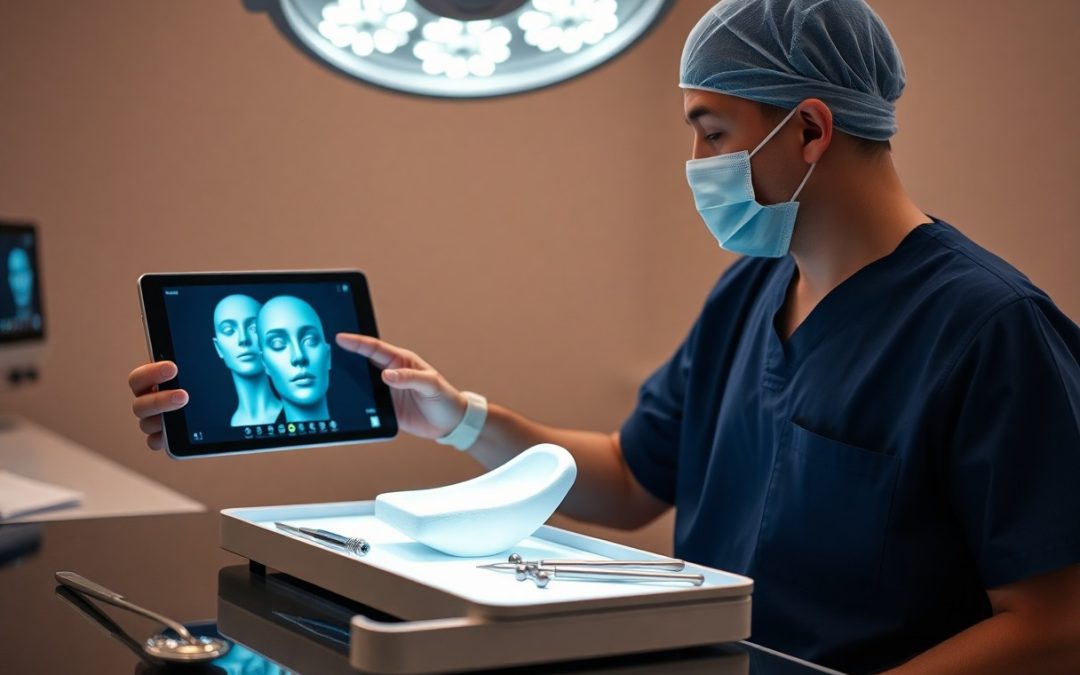
Over the past decade you have seen aesthetic surgery evolve to prioritize individualized plans, evidence-based techniques, and safety, enabling you to achieve natural-looking results aligned with your goals.
The Evolution of Bespoke Aesthetic Surgery
You now experience individualized surgical planning that replaces off-the-shelf approaches, aligning procedures with your anatomy, goals, and lifestyle to produce naturally proportioned results.
Transitioning from Standardized to Individualized Techniques
Surgeons increasingly involve you in customizing incision patterns, implant selection, and tissue handling so procedures reflect your facial metrics and recovery preferences.
The Role of High-Resolution 3D Imaging in Pre-Surgical Planning
Imaging gives you precise 3D models that reveal subtle asymmetries, enabling surgical simulations tailored to your anatomy and expectations.
Using high-resolution 3D imaging, your surgeon creates accurate soft-tissue and bony maps that support virtual rehearsals and implant-fit analysis; you can preview outcome scenarios, refine operative plans, reduce intraoperative adjustments, shorten procedure time, and base consent on measurable projections aligned with your expectations.
The Patient-Centric Consultation Framework
This framework centers you in decision-making, prioritizing your anatomy, aesthetic goals, and safety to craft a personalized surgical plan with clear timelines, risk discussion, and measurable milestones.
Comprehensive Anatomical Assessment and Facial Mapping
Your 3D imaging and dynamic facial mapping reveal bone structure, soft-tissue volume, skin quality, and movement so you and your surgeon can plan precise, individualized interventions.
Aligning Patient Expectations with Clinical Possibilities
Clear discussions align your expectations with achievable outcomes, outlining likely improvements, limitations, recovery timelines, and how surgical choices influence long-term appearance.
During consultations you review alternative techniques, examine before-and-after examples, quantify risk-benefit trade-offs, and set realistic aesthetic targets that fit your lifestyle and healing capacity.
Advanced Minimally Invasive Innovations
Advanced techniques combine targeted energy, micro-incisions and image guidance to give you precise outcomes with minimal scarring and faster recovery.
- Radiofrequency-assisted contouring
- Ultrasound-guided placement
- Endoscopic micro-access
Technique vs Benefit
| Technique | Benefit |
|---|---|
| Radiofrequency-assisted lipolysis | Skin tightening with focused fat reduction |
| Ultrasound guidance | Improved accuracy for injections and energy delivery |
| Endoscopic approaches | Smaller incisions with reduced tissue trauma |
Precision Techniques for Natural-Looking Results
Precision-guided injections and micro-suturing let you achieve balanced contours while preserving expression and skin texture for a natural appearance.
Reducing Downtime Through Refined Surgical Approaches
Recovery shortens when surgeons use atraumatic instruments, tumescent techniques and meticulous hemostasis so you return to routines faster with less discomfort.
Shorter convalescence follows from strategies that limit tissue disruption and control inflammation. These include local or regional anesthesia, endoscopic tunnels, targeted energy modalities and layered closure to reduce swelling. You benefit from multimodal pain control, careful fluid management and clear postoperative protocols that accelerate healing and lower the risk of complications.
Safety Protocols and Ethical Standards
Safety protocols ensure you undergo care with rigorous pre-op screening, sterile operating environments, and continuous outcome monitoring that protect your health and dignity.
The Importance of Board Certification and Accredited Facilities
Certification confirms your surgeon completed specialty training and board review, while accredited facilities maintain trained teams, emergency readiness, and quality audits to safeguard your procedures.
Risk Mitigation and Patient Advocacy in Modern Practice
Advocacy ensures you receive transparent informed consent, shared decision-making, and tailored risk discussions so you can choose treatments aligned with your goals and safety.
Communication across your surgical team, anesthesiology, and aftercare reduces errors through standardized checklists, structured handoffs, and timely complication detection; you should expect clear contingency plans, realistic recovery timelines, symptom education, and a dedicated patient liaison who coordinates follow-up, addresses concerns, and escalates care when needed to limit harm and support optimal recovery.
Tailored Post-Operative Recovery and Aftercare
Recovery plans are customized to your procedure and lifestyle, scheduling wound checks, mobility guidance, and nutrition to support healing while minimizing downtime.
Personalized Healing Regimens and Pain Management
Pain management blends personalized medication schedules, non-opioid alternatives, and targeted therapies so you experience controlled discomfort and faster recovery.
Long-Term Monitoring and Maintenance of Aesthetic Outcomes
Follow-up visits and digital monitoring track your progress, allowing adjustments to skincare, contour maintenance, and lifestyle recommendations to preserve results over time.
Ongoing assessment includes high-resolution photos, periodic measurements, and discussion of expectations so you see objective changes. Your care plan adapts with aging, weight shifts, or new aesthetic goals, and you receive clear timelines for maintenance procedures, non-surgical touch-ups, or specialist referrals when appropriate.
To wrap up
The modern aesthetic surgery approach combines advanced techniques with personalized care so you receive tailored plans, realistic expectations, and attentive follow-up, helping you attain natural results and confidence while minimizing risks through careful assessment and experienced judgment.