

Surgery for gynecomastia can be a transformative solution for men dealing with enlarged breast tissue, helping to restore your confidence and body image. If you’re among the many who hesitate to seek treatment due to fear of stigma, you’re not alone. Understanding the process, benefits, and emotional impact of male breast reduction can empower you to take control of your health and well-being. This blog post aims to provide you with the detailed information you need to make informed decisions about gynecomastia surgery and to embrace a more positive outlook on your body.
Understanding Gynecomastia
Before considering any treatment, it’s important to understand what gynecomastia is. This medical condition is characterized by the enlargement of breast tissue in males, often leading to feelings of self-consciousness and embarrassment. It can occur at any age and may result from hormonal imbalances, weight changes, or certain medications. Understanding the underlying causes can help in seeking appropriate solutions.
Causes and Risk Factors
One common misconception is that gynecomastia is solely linked to obesity. However, various factors contribute to the development of this condition, including:
- Hormonal fluctuations (puberty, aging)
- Medications (certain antidepressants, steroids)
- Health conditions (liver or kidney disease)
- Substance use (alcohol, marijuana)
Perceiving these risk factors can empower you to discuss your situation with a healthcare provider and explore your options.
Psychological Impact
For many, gynecomastia goes beyond the physical appearance and significantly affects mental health. You may experience anxiety or depression due to the societal expectations of masculinity, making it challenging to feel comfortable in your own skin.
For instance, studies indicate that men with gynecomastia often face social withdrawal and low self-esteem, leading to adverse effects on relationships and overall quality of life. The fear of judgment can result in avoiding social activities, impacting your emotional well-being. Recognizing the psychological ramifications of gynecomastia is vital, as it underscores the importance of seeking both physical and emotional support during your journey to alleviating this condition.
The Surgical Procedure
You may feel anxious about the surgical procedure for gynecomastia, but understanding the steps involved can help ease your concerns. Typically performed under general anesthesia, the procedure lasts between 1 to 2 hours. Your surgeon will make incisions based on the method chosen, allowing for the removal of excess glandular tissue and fat. Post-surgery, you will be given specific care instructions to aid in your recovery and minimize discomfort.
Types of Gynecomastia Surgery
- Liposuction
- Glandular Tissue Excision
- Combination of Liposuction and Excision
- Minimal-Incision Technique
- Traditional Excision
Perceiving the differences among these techniques can help you choose the best option for your unique situation.
| Liposuction | Ideal for excess fat with minimal glandular tissue. |
| Glandular Tissue Excision | Used when glandular tissue is predominant. |
| Combination of Techniques | Addresses both fat and glandular tissue effectively. |
| Minimal-Incision Technique | Suitable for smaller tissue removal with less scarring. |
| Traditional Excision | Best for severe cases requiring significant tissue removal. |
Preparation for Surgery
An important part of your gynecomastia journey will be preparing for the surgery. Your surgeon will provide detailed guidelines to follow in the days leading up to your procedure, which may include refraining from certain medications, avoiding alcohol and smoking, and adhering to a specific diet. Additionally, organizing a support system will help you post-surgery.
And preparation extends beyond physical considerations; mental readiness is equally important. You should discuss any concerns with your surgeon, which can help alleviate anxiety and foster confidence in the upcoming procedure. Ensuring that you have arranged transportation and post-operative care will facilitate a smoother recovery process. Following the provided instructions will set the foundation for a successful surgery, leading you toward the transformation you seek.
Recovery Process
Once again, the recovery phase following gynecomastia surgery plays a significant role in your overall satisfaction with the results. Typically, you’ll need to rest for several days, and you may experience some discomfort and swelling. It’s crucial to follow your surgeon’s instructions, which may include avoiding strenuous activities and wearing a compression garment for support. By taking it easy during the initial healing period, you can ensure a smoother recovery and better outcomes.
Post-Operative Care
Process involves adhering to specific guidelines provided by your surgeon to promote healing. You will likely need to take prescribed medications for pain management and to prevent infection. Keeping your surgical area clean and following your doctor’s instructions about activity restrictions will be vital. Regular follow-ups are also important for monitoring your recovery progress and addressing any concerns you may have.
Expected Results and Timeline
Around six weeks after your surgery, you can start to see noticeable changes in your chest contour, but full results may take longer to emerge. The swelling will gradually subside, revealing your new physique. You should be patient, as final results can take several months to settle as your body heals completely.
At approximately three months post-surgery, you will likely experience significant improvements in your chest’s appearance. However, it can take up to six months or even longer for the full results to manifest as any residual swelling decreases. By this time, you’ll notice a more defined chest contour, enhanced confidence, and an overall positive impact on your lifestyle. Staying in close communication with your healthcare team throughout this process will ensure you receive the best care and support for your journey.
Addressing Common Myths
Your understanding of gynecomastia surgery may be influenced by common myths. Many individuals often misconceive it as solely a cosmetic procedure or think it’s only for those who are overweight. These misunderstandings can prevent you from seeking the help you need. It’s vital to separate fact from fiction, enabling you to make well-informed decisions about your health and well-being.
Stereotypes and Misconceptions
Your perspective might include some unfounded stereotypes surrounding male breast reduction. These misconceptions can lead to embarrassment and reluctance to seek treatment. Here are some prevalent myths:
- Gynecomastia only affects obese men.
- Male breast reduction is purely cosmetic.
- Surgery will leave significant scars.
- Only bodybuilders suffer from gynecomastia.
- There’s no need for surgery; lifestyle changes are enough.
After addressing these myths, it becomes clear that gynecomastia can affect various individuals, regardless of weight or lifestyle.
| Myth | Fact |
| Only overweight men have gynecomastia. | It can affect men of various body types. |
| It’s just a cosmetic issue. | It can cause physical discomfort and emotional distress. |
| Male breast reduction is unnecessary. | Surgery can significantly improve quality of life. |
| Gynecomastia resolves with exercise. | Sometimes surgery is the only effective solution. |
The Importance of Awareness
After dispelling common misconceptions, it’s vital to raise awareness about gynecomastia and the options available to you. Increased understanding can foster a supportive environment for those affected and encourage them to seek help without fear of judgment.
Further awareness can lead to improved dialogue surrounding male breast reduction. When society begins to acknowledge gynecomastia as a legitimate health concern rather than a personal flaw, you’ll find it easier to engage in conversations about treatment options. This openness can break the barriers of stigma, making it more acceptable for individuals to seek the assistance they need for their physical and emotional well-being.

Alternatives to Surgery
Unlike the common perception that gynecomastia can only be addressed through surgery, there are several alternatives that you can explore. Non-surgical options may provide effective results, especially for those who prefer to avoid invasive procedures. It’s important to evaluate these alternatives with a healthcare professional who can guide you through your choices.
Non-Surgical Treatments
Against the backdrop of surgical options, various non-surgical treatments exist to help manage gynecomastia. Hormonal therapies, medications, and supplements may be prescribed to address underlying hormonal imbalances. Consulting a medical professional about these alternatives can provide insight into their effectiveness for your specific case.
Lifestyle Changes
With a few strategic lifestyle changes, you may see improvements in your condition. Focus on maintaining a balanced diet, engaging in regular physical activity, and managing your overall health, as these factors can significantly influence the appearance of gynecomastia.
Considering that lifestyle changes can have a profound impact on your well-being, incorporating a nutritious diet can help reduce body fat and, subsequently, breast tissue. Regular exercises, particularly strength training and cardiovascular activities, can enhance muscle tone and promote a more masculine physique. Monitoring your alcohol intake and avoiding substances that can alter hormonal balance are equally important steps. Making these changes not only aids in managing gynecomastia but also contributes to your overall health and self-confidence.
Patient Testimonials
After undergoing gynecomastia surgery, many patients report a profound transformation in their self-esteem and overall happiness. The journey of each individual is unique, but common themes of renewed confidence and liberation arise. Your decision to pursue this surgery can lead to remarkable changes in how you perceive yourself and interact with others, allowing you to embrace a more fulfilling life.
Real-Life Experiences
RealLife stories from those who have experienced gynecomastia surgery illustrate the significant benefits and emotional relief that accompany this procedure. Patients frequently share how their new physique has impacted their interactions, relationships, and self-image, inspiring hope for those considering the surgery.
Impact on Quality of Life
Quality of life improves dramatically after gynecomastia surgery. Many patients express feeling more confident and free, which translates into more active social lives and increased engagement in physical activities.
It is not just about aesthetics; the psychological effects can be equally pronounced. By alleviating the discomfort associated with gynecomastia, you can reclaim confidence and experience enhanced joy in everyday interactions. Many find themselves participating in activities they once avoided, leading to a healthier lifestyle overall. Ultimately, the impact on quality of life may be life-changing, allowing you to fully embrace your identity without the burden of self-consciousness.
To wrap up
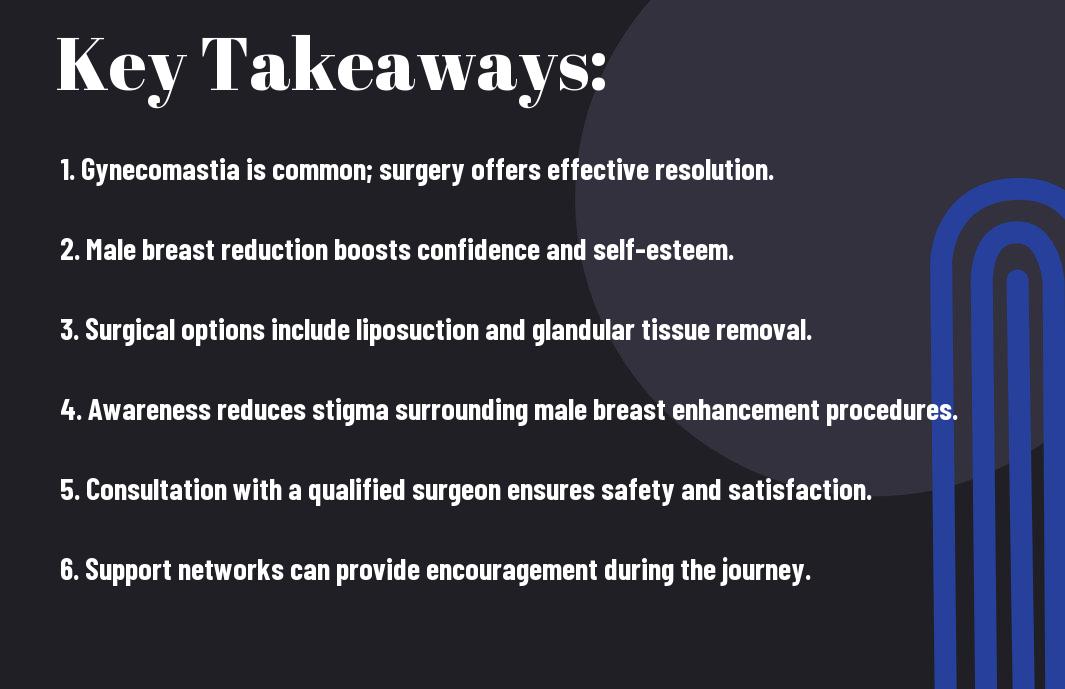
To wrap up, understanding gynecomastia surgery can empower you to take control of your body and well-being. By breaking the stigma surrounding male breast reduction, you not only acknowledge its significance but also encourage open conversations about a topic that affects many men. If you are considering this procedure, it is important to consult with a qualified surgeon who can guide you through the options and help you achieve your desired results, ultimately enhancing your confidence and self-image.