

It’s an exciting time in the world of cosmetic surgery, as cutting-edge innovations are set to revolutionize the way you perceive and approach aesthetic enhancement. From advanced techniques like non-invasive procedures to personalized therapies tailored to your unique needs, the future promises to deliver transformative options that go beyond traditional methods. In this post, you will explore the latest advancements on the horizon, offering insights into how these developments can enhance your cosmetic journey and improve your overall confidence.

The Cutting Edge of Technology in Cosmetic Surgery
The integration of advanced technologies in cosmetic surgery is transforming traditional practices, enabling more precise procedures and improved outcomes. Techniques such as robotics, laser technology, and artificial intelligence are reshaping how surgeries are performed, offering enhanced safety and efficiency. As these innovations continue to evolve, you can expect to see faster recovery times and minimally invasive options becoming the norm, allowing for a more personalized approach to your cosmetic goals.
3D Printing: The Future of Custom Implants
3D printing is revolutionizing the production of custom implants in cosmetic surgery, allowing for personalized solutions that fit your unique anatomy perfectly. Surgeons can create detailed models based on your specific measurements, resulting in devices that align seamlessly with your body. This innovation not only enhances aesthetic outcomes but also reduces the risk of complications, paving the way for safer and more effective procedures.
Virtual Reality and Augmented Reality in Pre-Surgical Planning
Virtual and augmented reality technologies are making waves in pre-surgical planning, providing you with immersive experiences that enhance understanding and engagement with the surgical process. These tools allow surgeons to simulate procedures in a 3D environment, helping to visualize potential outcomes. By using these advanced technologies, you can actively participate in decision-making, ensuring your expectations align with the realistic results of your cosmetic procedure.
Incorporating virtual and augmented reality into pre-surgical planning not only improves communication between you and your surgeon but also helps identify potential issues before the actual procedure. For instance, a practice in Miami has utilized VR simulations to allow patients to experience their post-operative appearances in real-time. This insightful approach leads to better patient satisfaction, as you leave the consultation with a clearer understanding of what to expect, ultimately enhancing the overall surgical experience.
Revolutionary Techniques Transforming Procedures
Innovations in cosmetic surgery are shifting paradigms, making procedures safer, more effective, and less invasive. Groundbreaking techniques are emerging that not only enhance patient outcomes but also minimize recovery time. With these advancements, achieving your desired look has become more attainable and convenient than ever before, ensuring that you can return to your daily life quicker and with results that are both natural and impressive.
Minimally Invasive Approaches: The Rise of Endoscopic Surgery
Endoscopic surgery has gained popularity due to its minimally invasive nature, allowing for procedures to be performed through small incisions. This technique not only reduces the risk of complications but significantly decreases the recovery time. As a result, you can enjoy the benefits of cosmetic enhancements with less discomfort and a quicker turnaround, making it an appealing option for those seeking subtle yet impactful changes.
Advancements in Fat Grafting and Regenerative Medicine
Fat grafting has evolved into a sophisticated art, leveraging your body’s natural resources for cosmetic improvements. Using advanced techniques, surgeons harvest fat from one area of your body and transfer it to another, enhancing volume and contour while ensuring a seamless aesthetic. Regenerative medicine further complements this technique by harnessing the body’s healing properties, leading to more successful graft take and longevity of results.
Within fat grafting, recent advancements have emphasized the importance of using specialized protocols and modern harvesting techniques. For instance, the use of liposuction devices designed for fat collection with minimal trauma has shown to produce higher viability rates for the transferred fat. Moreover, the integration of regenerative medicine, which includes growth factors derived from your own body, enhances the healing process and improves graft retention. These innovations not only contribute to more natural results but also reduce the need for multiple procedures, ultimately maximizing your satisfaction with the outcomes.
Shifting Patient Priorities: The Demand for Personalization
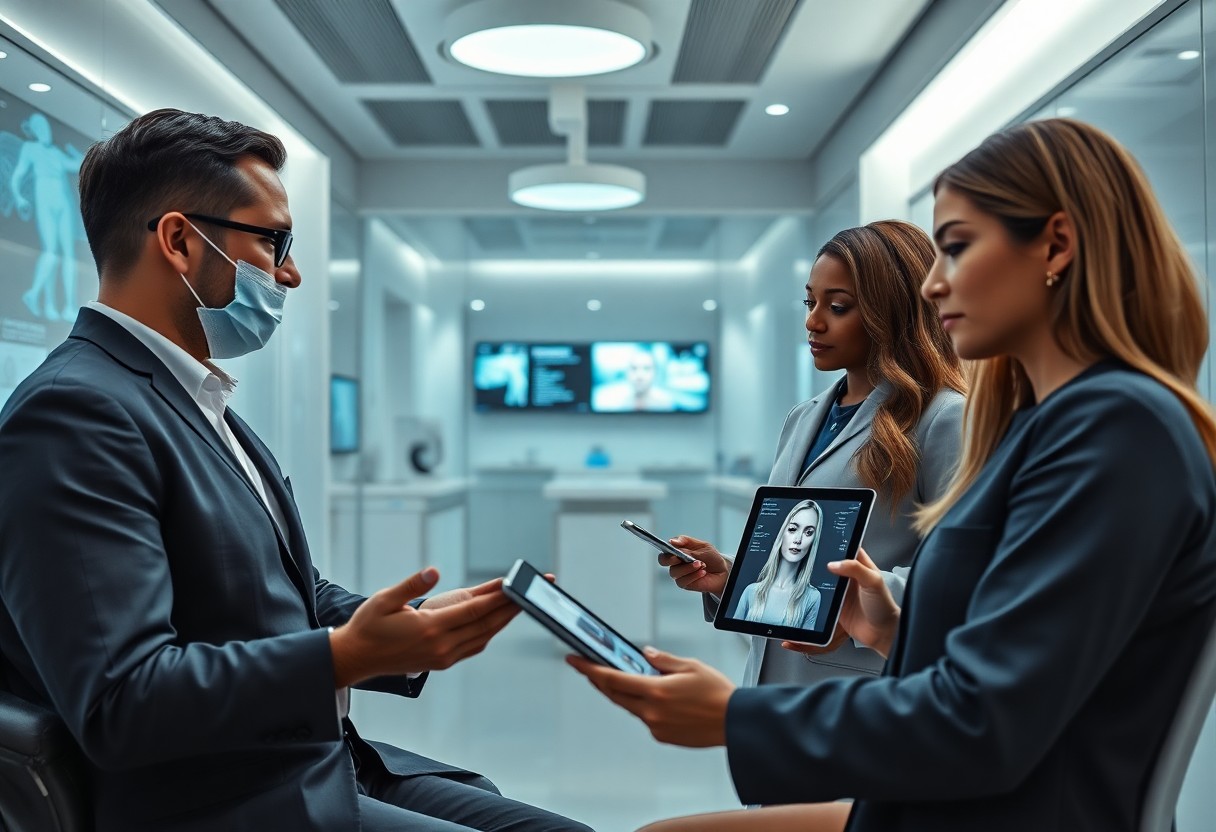
As the landscape of cosmetic surgery evolves, patients increasingly seek personalized experiences that cater to individual desires and aesthetics. You prioritize tailored procedures that enhance your unique features rather than opting for one-size-fits-all solutions. Innovative technologies and approaches now empower surgeons to customize interventions, ensuring you receive outcomes that align with your vision and self-image.
Tailoring Surgical Interventions: Genetic Profiling in Aesthetics
Genetic profiling is transforming how aesthetic procedures are tailored to individual patients. By analyzing your genetic makeup, surgeons can gain insights into how your body may respond to certain procedures, leading to more effective and personalized treatment plans. This precision medicine approach not only maximizes results but also minimizes the risks of adverse reactions to surgical interventions.
The Role of Patient Feedback in Customizing Outcomes
Your feedback is crucial in shaping the cosmetic surgery experience. Surgeons are beginning to incorporate real-time patient insights to refine techniques and improve post-operative satisfaction. By actively engaging with you throughout the process, they can adjust surgical plans based on your preferences and expectations, leading to more satisfactory results.
Incorporating patient feedback is reshaping the surgical landscape, as customizable outcomes become the norm. For instance, practitioners are now utilizing platforms that enable you to share your thoughts and experiences at various stages of the procedure. This real-time feedback loop not only empowers you to voice your concerns and desires but also provides surgeons with vital information to enhance techniques. As a result, you can expect a level of personalization that aligns seamlessly with your aesthetic goals, leading to a more satisfying and confident outcome post-surgery.
Ethical Considerations and Safety in Emerging Practices
The rapid advancement of cosmetic surgery technologies invites important ethical considerations that must be navigated thoughtfully. As innovative techniques gain popularity, it’s vital to ensure they prioritize patient welfare and informed choice, avoiding trends that could compromise safety. You may find comfort in knowing that maintaining high ethical standards is paramount in the evolving world of cosmetic surgery, and practitioners are increasingly held accountable for their patients’ physical and emotional well-being.
Balancing Innovation with Patient Safety Standards
Innovations in cosmetic procedures often expand the boundaries of what is possible, yet they must be balanced with rigorous patient safety standards. You should feel assured that leading practitioners are dedicated to integrating the latest technologies while adhering strictly to protocols that safeguard your health. This equilibrium not only promotes successful outcomes but also fosters trust between you and your surgeon.
The Role of Regulation in New Cosmetic Technologies
Regulation plays a pivotal role in ensuring that new cosmetic technologies are both safe and effective. With each groundbreaking procedure or device, regulatory bodies evaluate the potential benefits and risks, providing a framework that protects your interests as a patient. You can look for approvals from recognized authorities, as these signify that rigorous testing and standards have been met in the development of new treatments.
The efficacy of regulations lies in its comprehensive approach to evaluating emerging treatments. Agencies such as the FDA are responsible for scrutinizing clinical trial data, assessing potential side effects, and monitoring the long-term impacts of novel procedures. These evaluations play a significant role in determining whether a technology can be deemed safe and effective for public use. As new technologies enter the market, you can take confidence in knowing that such regulation helps mitigate the risk of untested and potentially harmful practices entering your cosmetic surgery options.

Insights from Leading Experts: Predictions for the Next Decade
As the field of cosmetic surgery continues to evolve, experts foresee several key trends shaping the next decade. Focused on advancements in minimally invasive techniques and biocompatible materials, surgeons anticipate an increase in patient satisfaction. Furthermore, AI-driven technologies could enhance pre-surgery consultations, allowing for tailored outcomes that align more closely with patient desires. Hyper-personalization and preventative aesthetics may redefine beauty standards, ultimately providing individuals with effective, long-lasting solutions that foster both physical enhancements and emotional well-being.
Perspectives from Renowned Surgeons on Upcoming Trends
Leading surgeons suggest that the future will see a marked shift towards less invasive procedures, driven by patient demand for quicker recovery times and natural results. Innovations like 3D imaging could enable detailed pre-operative simulations, ensuring clearer communication and expectations between you and your surgeon. Combining this technology with regenerative medicine techniques promises to enhance healing and optimize aesthetic outcomes. Surgeons are also noting a growing focus on ethics, as transparent practices regarding risks and results become paramount in patient care.
The Impact of Social Media on Patient Expectations and Outcomes
Social media has substantially transformed how you view cosmetic surgery, often setting unrealistic expectations through curated content and edited images. This pervasive influence shapes your decisions, and the prevalence of “Instagram-ready” faces can pressure you into pursuing procedures that may not align with your desired outcomes or personal identity. Consequently, it’s important to approach cosmetic surgery consultations equipped with a realistic understanding of what the interventions can achieve, while fostering open discussions with your surgeon about your specific aspirations.
The pervasive nature of social media creates a dual-edged sword in cosmetic surgery. On one hand, platforms showcase transformative results and personal stories, allowing you to access a wealth of information and inspiration. On the other hand, the potential for edited visuals and viral beauty trends can distort your expectations, leading to dissatisfaction if the results fall short of the idealized images encountered online. Awareness around this dynamic is key; understanding that a procedure should prioritize enhancing your unique features, rather than trying to replicate unattainable standards, ultimately leads to more fulfilling cosmetic outcomes.
Summing up
Upon reflecting on the future of cosmetic surgery, you can anticipate groundbreaking innovations that will elevate aesthetic procedures to new heights. Advances in technology will enable more personalized treatments and faster recovery times, significantly enhancing your experience. As techniques and materials continue to evolve, you can expect safer and more effective options tailored to your individual needs. Staying informed about these developments can empower you to make educated choices in your cosmetic journey, ensuring that you achieve the desired results while prioritizing your well-being.