

Most individuals seeking cosmetic surgery desire not only excellent results but also a swift and smooth recovery process. Your healing can significantly impact the outcome of your procedure, so it’s important to adopt effective strategies that enhance your recovery. In this blog post, you will discover practical tips designed to speed up your healing, reduce discomfort, and help you return to your everyday life with confidence. Equip yourself with the right knowledge to ensure your journey post-surgery is as efficient and comfortable as possible.
The Essential Pre-Op Checklist
Preparing for cosmetic surgery involves several steps to ensure a smooth experience and optimal recovery. Start by confirming your surgery date and time, as well as arranging transportation to and from the facility. Gather necessary medical documents, including your medical history and any current medications. Stock up on recovery supplies such as ice packs, loose clothing, and any prescribed medications. Lastly, set up your recovery space, ensuring it is comfortable and accessible to facilitate healing.
Consultation and Setting Realistic Expectations
Your consultation plays a vital role in the pre-op process. Discussing your goals with the surgeon allows you to visualize the outcome and set realistic expectations. Ask about the procedures, potential risks, and recovery time, clarifying any uncertainties you may have. Understanding what to expect helps boost your confidence and prepares you mentally for the journey ahead.
Personalizing Your Recovery Plan
Creating a personalized recovery plan is necessary to ensure your needs are met post-surgery. Each individual’s healing process varies based on factors like the type of surgery, personal health, and lifestyle. Consider discussing your daily routine and any specific concerns during your consultation, including your typical activity level and support system at home. Tailoring your recovery plan may involve scheduling follow-up appointments, establishing a nutrition plan, and allocating time for rest and relaxation. By creating a plan that resonates with your lifestyle, you enhance your chances of a smoother and quicker recovery.

Nutrition: Fueling Your Healing Journey
Your body undergoes significant stress during and after cosmetic surgery, making proper nutrition imperative for a smooth recovery. Eating a balanced diet rich in vitamins, minerals, and proteins can enhance healing, minimize inflammation, and prevent complications. Focus on whole foods that contribute to tissue repair and immune function, allowing your body to bounce back more effectively from the procedure.
Key Nutrients for Optimal Recovery
To support your healing process, prioritize proteins, vitamins C and A, zinc, and omega-3 fatty acids. Proteins aid in tissue repair while vitamin C contributes to collagen formation, imperative for skin health. Vitamin A promotes cell growth, and zinc plays a vital role in immune support and wound healing. Incorporating these nutrients into your meals fosters a quicker recovery.
Hydration and Its Impact on Healing
Staying hydrated is fundamental for recovery. Adequate water intake helps your body maintain proper circulation, which is vital for transporting nutrients and oxygen to healing tissues. Additionally, hydration aids in flushing out toxins and minimizes the risk of complications like blood clots and infections. By ensuring you drink enough fluids, you create an optimal environment for healing.
Consider drinking at least eight 8-ounce glasses of water daily, adjusting according to your activity level and individual needs. Herbal teas, broths, and hydrating fruits and vegetables also contribute to your moisture intake. Keep a water bottle close by, and sip regularly throughout the day to meet your hydration goals. Not all fluids are equal; prioritize water and limit sugary drinks or excessive caffeine, which can dehydrate your body and slow down recovery.
The Role of Rest and Sleep in Recovery
Healing after cosmetic surgery requires more than just proper nutrition; adequate rest and quality sleep play a vital role in your recovery process. Sleep allows your body to repair tissues, reduce swelling, and replenish energy levels, all necessary for a smooth recovery. The recommended sleep duration for adults is between 7 to 9 hours per night, but following surgery, you may need more to support your body’s heightened healing demands.
Strategies for Enhancing Sleep Quality
To improve sleep quality, create a calming nighttime routine by dimming lights and engaging in relaxing activities such as reading or gentle stretching. Consider investing in a comfortable mattress and pillows, and maintain a cool, dark environment conducive to sleep. Limiting screen time before bed can also enhance your ability to fall asleep quickly and stay asleep throughout the night.
Importance of Mental Rest and Stress Reduction
Mental rest is equally significant in the recovery process. Stress can hinder healing by increasing cortisol levels, which may slow down tissue regeneration and prolong recovery. Engaging in mindfulness practices like meditation or deep-breathing exercises can significantly enhance your mental well-being, fostering a more positive outlook during your healing journey.
Stress reduction directly impacts your ability to recover. High-stress levels can lead to sleep disturbances, increased pain perception, and hinder your body’s ability to heal efficiently. Incorporating gentle yoga or short walks can help release pent-up tension, while journaling or talking with friends can facilitate emotional processing. Surrounding yourself with supportive individuals not only enhances your mood but creates a nurturing atmosphere vital for effective healing. With the right approach to both physical and mental rest, your recovery can be both faster and more fulfilling.
Managing Pain and Discomfort Effectively
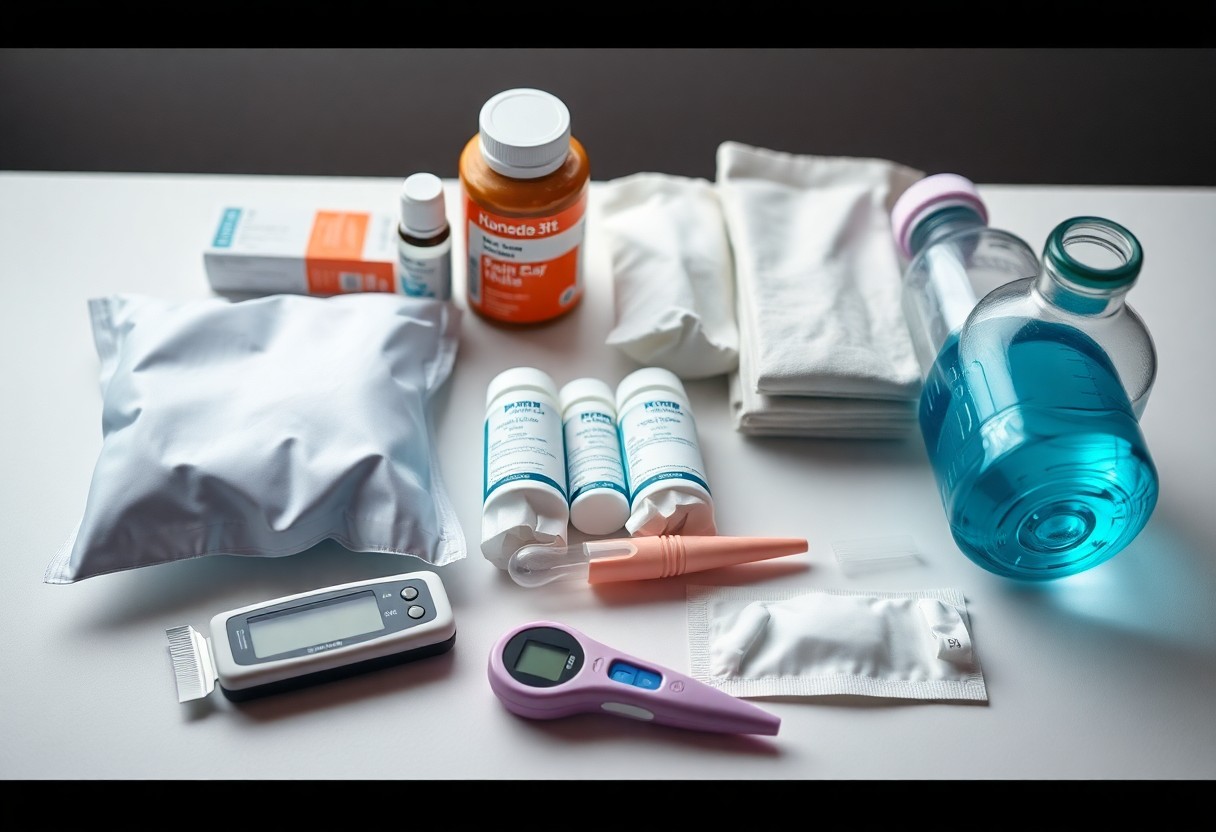
Post-operative pain is a natural part of the recovery process after cosmetic surgery. Managing it effectively can significantly affect your overall experience and healing time. Make sure to follow your surgeon’s prescribed pain relief regimen and keep an open line of communication regarding your comfort levels. Staying ahead of your pain by taking medication as advised—rather than waiting for pain to escalate—can lead to a smoother recovery process.
Safe Pain Management Techniques
Over-the-counter pain relievers, such as ibuprofen or acetaminophen, can be effective for milder discomfort, while your surgeon may prescribe stronger medications for more severe pain. Ice packs can help reduce swelling and numb painful areas. Complementary methods, such as gentle stretching and deep breathing exercises, may also be beneficial in alleviating discomfort. Always consult with your healthcare provider before mixing any medications or introducing new techniques to ensure they’re safe.
When to Seek Medical Attention
Recognizing the signs that require medical attention is vital. If you experience uncontrollable pain, a fever exceeding 101°F, persistent bleeding, or unusual swelling, it’s time to contact your surgeon. Staying vigilant about your symptoms can prevent complications and aid in your recovery, ensuring any issues are addressed promptly and effectively.
If your pain becomes unmanageable despite following your prescribed medication, or if you notice sudden changes in your symptoms, such as increased swelling or redness near incisions, seeking medical attention can prevent potential complications. Being proactive about these signs can facilitate timely interventions, minimizing risks and helping you heal more effectively. Trust your instincts—when in doubt, reaching out to your healthcare provider is always a wise step.
Follow-Up Care: Keeping Track of Your Progress
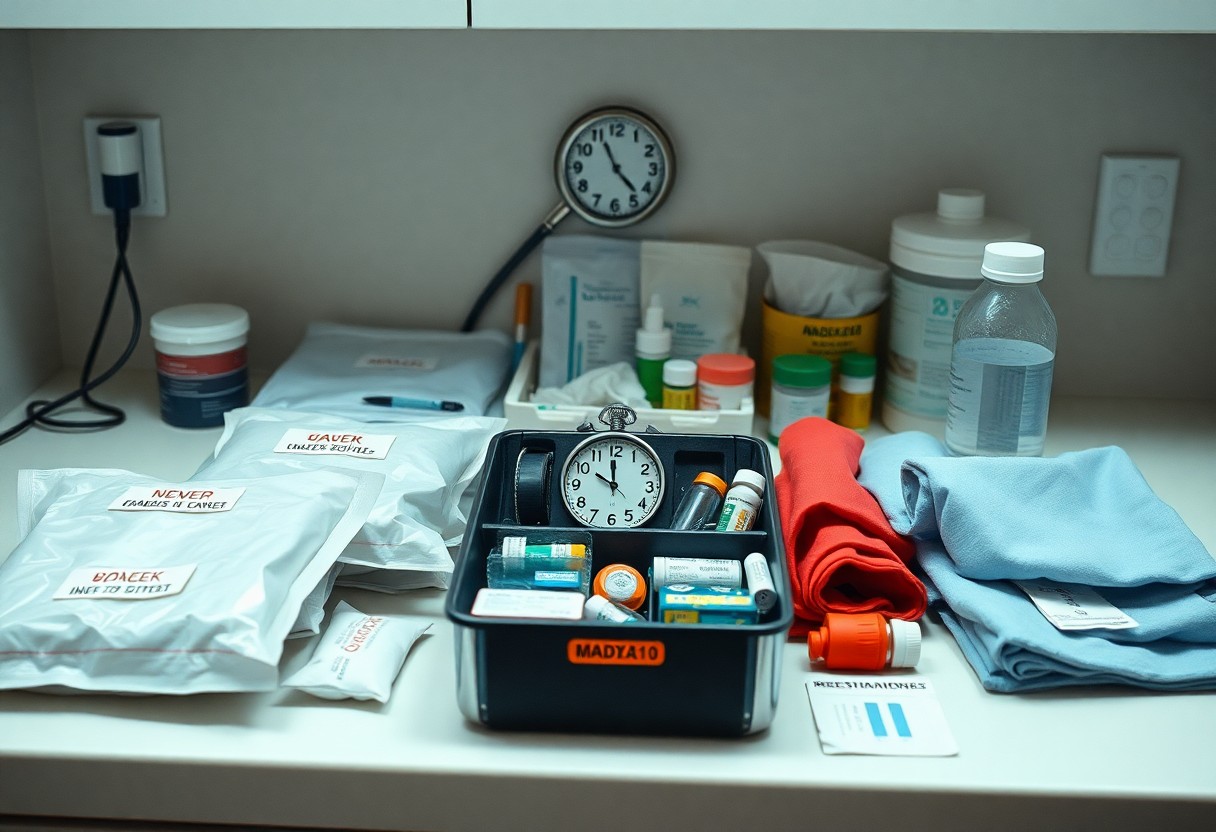
After your cosmetic surgery, diligent follow-up care is important for monitoring your recovery. Keeping track of your healing process involves regular assessments to gauge your progress and identify any potential complications early on. This not only helps in achieving your desired aesthetic results but also ensures that any abnormalities can be addressed promptly. You can set reminders for your check-up appointments and maintain a journal to document your observations, including swelling, pain levels, and any other symptoms that arise over time.
Recognizing Normal vs. Abnormal Symptoms
Understanding the difference between normal healing symptoms and signs of complications can drastically affect your recovery. Common post-operative experiences include mild swelling, bruising, and discomfort, which typically subside within a week or two. Indicators of abnormal healing include severe pain, excessive swelling, or unusual discharge from incisions. By being aware of these signs, you can take action sooner, potentially avoiding more serious issues down the line.
Importance of Regular Check-Ins with Your Surgeon
Maintaining regular appointments with your surgeon allows for personalized care and tailored advice throughout your recovery. These check-ins offer opportunities to address any concerns related to your healing process. Frequent evaluations help your surgeon assess how well you are responding to the surgery and make necessary adjustments to your recovery plan. You benefit from heightened support and can ask questions or express worries, ensuring that your path to healing aligns with your expectations.
During these appointments, your surgeon can provide insights into what to expect as your body continues to heal, taking into account your specific surgical procedure and health history. A surgeon may examine your scars, track any lingering swelling, and assess how well your body has integrated the changes made during surgery. They can guide you on resuming normal activities safely and may even offer personalized recovery tips based on your progress. Regular check-ins not only minimize anxiety but also enhance your overall satisfaction with the surgical outcome.
Final Words
Drawing together the various recovery tips previously discussed, your healing process can be significantly enhanced by prioritizing rest, staying hydrated, maintaining a balanced diet, and adhering to your surgeon’s post-operative guidelines. Incorporating gentle movement as per your doctor’s advice can also promote circulation, aiding in the recovery. Additionally, using cold compresses and elevating the surgical area can help reduce swelling. By being proactive and attentive to your body’s needs, you can support an effective recovery and achieve the best possible results from your cosmetic surgery.