
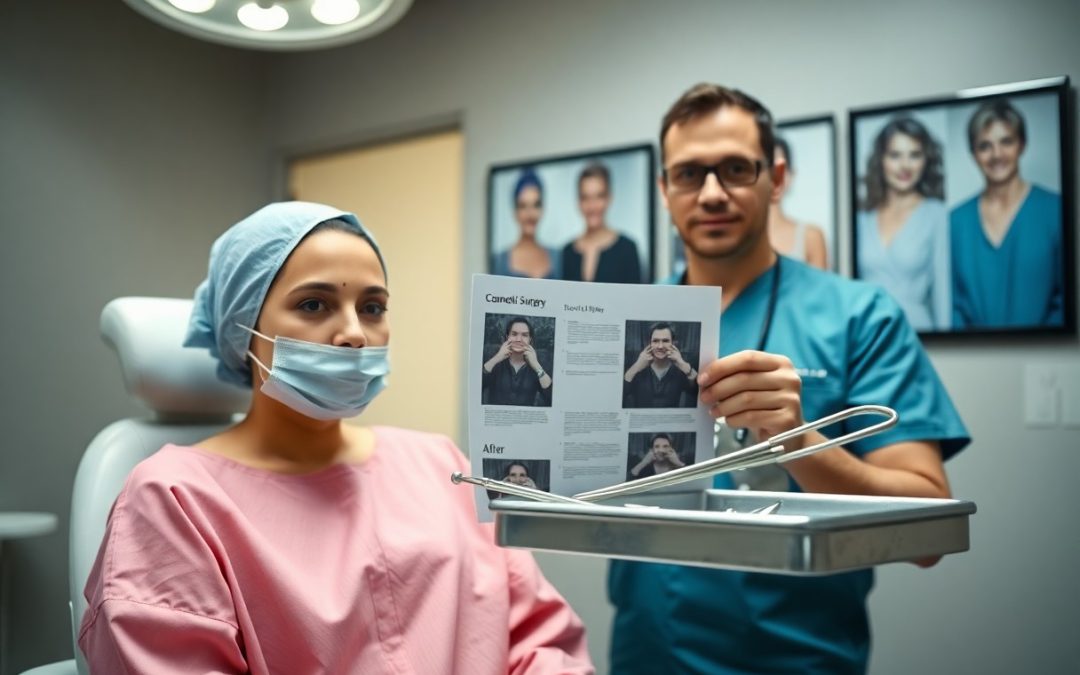
Cosmetic procedures can restore features, correct asymmetry, and reduce signs of aging, helping you feel more confident in social and professional settings; informed consultation and realistic expectations guide safe choices and lasting improvements to your self-image.
The Psychological Link Between Physical Appearance and Self-Esteem
Appearance affects how you value yourself: changes in looks can shift confidence, social behavior, and identity, influencing daily choices and emotional resilience.
Understanding the Body-Mind Connection
Your brain integrates sensory feedback and self-image; cosmetic changes can alter neural responses to appearance, reducing anxiety and increasing positive self-assessment.
Impact of Perceived Imperfections on Mental Well-being
Perceived flaws often make you withdraw, heighten self-criticism, and trigger social anxiety, undermining daily functioning and satisfaction.
Studies show that when you fixate on imperfections, persistent rumination and avoidance can lead to depression or body dysmorphic concerns; combining surgical correction with counseling helps reduce negative thought patterns, improve social engagement, and restore a healthier self-view.
Aligning External Appearance with Internal Identity
You can use cosmetic surgery to bring your outward look in line with how you feel inside, reducing daily dissonance and increasing confidence by addressing features that conflict with your identity or self-image.
Bridging the Gap Between Self-Perception and Reality
Consider how subtle refinements can align what you see in the mirror with your internal self, helping social interactions and personal confidence by making your appearance match your self-perception.
Correcting Congenital or Post-Traumatic Features
Procedures exist to address congenital differences or trauma-related changes so you regain function and appearance, which often improves self-esteem and daily comfort in social and professional settings.
Recovery from reconstructive procedures varies, but you should expect a team-based approach involving surgeons, therapists, and sometimes prosthetists to restore form and function. Techniques include tissue grafts, microsurgery, scar revision, and bone reconstruction, all tailored to your goals; you will review realistic outcomes, timelines, potential complications, and rehabilitative support to adapt to visible changes.
Enhancing Social Confidence and Professional Presence
Confidence from cosmetic refinements often makes you more willing to enter social settings, hold eye contact, and speak up, helping others see you as competent and approachable.
Reducing Social Anxiety through Aesthetic Improvement
Appearance changes that align with your self-image can reduce self-conscious thoughts, easing anxiety so you engage more naturally in conversations and public settings.
The Influence of Physical Poise on Interpersonal Dynamics
Posture and refined facial balance make you appear more composed, prompting peers and colleagues to respond with greater trust and respect in both social and work situations.
When you carry improved symmetry and posture, nonverbal signals like open shoulders and steady gaze convey confidence before you speak. Colleagues interpret those cues as leadership potential, giving you more speaking opportunities and social invitations; repeated positive interactions then reinforce your self-image and professional credibility.
Empowerment Through Personal Agency and Choice
You gain greater self-determination when you choose cosmetic changes, aligning appearance with how you feel and boosting confidence through deliberate decisions.
Reclaiming Control Over the Natural Aging Process
Surgical options let you address age-related changes on your terms, reducing visible signs and helping you present the self you prefer.
The Role of Informed Decision-Making in Patient Satisfaction
Choosing procedures after thorough consultation helps you set realistic expectations and increases satisfaction when outcomes match your goals.
Detailed consultations, clear risk-benefit explanations, and collaborative planning ensure you feel informed and respected, which correlates with higher satisfaction and lasting improvements in self-image.
Managing Expectations for Sustainable Psychological Benefits
Managing expectations helps you gain lasting psychological benefits by aligning desired outcomes with realistic surgical possibilities and recovery timelines. When you set attainable goals, satisfaction increases and the risk of disappointment decreases, supporting a healthier self-image after surgery.
Distinguishing Between Cosmetic Enhancement and Emotional Healing
Understanding the difference between cosmetic enhancement and emotional healing lets you approach surgery as one tool among many for improving self-image. Surgery addresses physical features, while deeper emotional issues often need therapy, social support, or time to integrate changes into your sense of self.
The Importance of Pre-Surgical Counseling and Realistic Goals
Preoperative counseling helps you set realistic goals, clarifies surgical limits, and prepares you for recovery challenges so you can make informed choices aligned with your values and expectations.
Before surgery, you should undergo counseling that includes psychological screening, photographic assessments, and clear discussion of likely outcomes and potential complications. Surgeons and counselors should help you set measurable, time-bound goals and identify underlying emotional needs; if body image concerns stem from deeper issues, therapy should be recommended before operating. This process reduces regret and supports lasting psychological benefit.
The Impact of Modern Techniques on Post-Operative Recovery
Minimizing Physical Stress through Advanced Technology
Robotic-assisted tools reduce tissue trauma, so you recover with less pain and swelling and can resume daily routines sooner.
- Smaller incisions for reduced scarring
- Targeted energy devices to limit bleeding
- Image-guided planning for precise adjustments
- Local anesthesia options to shorten recovery time
Recovery Benefits
| Technique | Benefit for you |
|---|---|
| Minimally invasive incisions | Less pain and faster mobility |
| Energy-based devices | Reduced swelling and fewer complications |
| Image-guided planning | More accurate outcomes, fewer revisions |
| Local anesthesia protocols | Shorter anesthesia recovery and quicker discharge |
Faster Results and the Immediate Boost to Self-Image
Visible improvements often appear within days, so you experience a quick confidence lift as swelling subsides and contours refine.
Early, noticeable changes can raise your self-image, but you should combine them with realistic expectations, consistent aftercare, and scheduled follow-ups so results mature properly; emotional support and measured social re-entry help you adjust without undue pressure.
To wrap up
Taking this into account, you can choose cosmetic surgery that aligns with realistic expectations, improving how you see yourself and increasing confidence when paired with honest consultation and proper aftercare.