
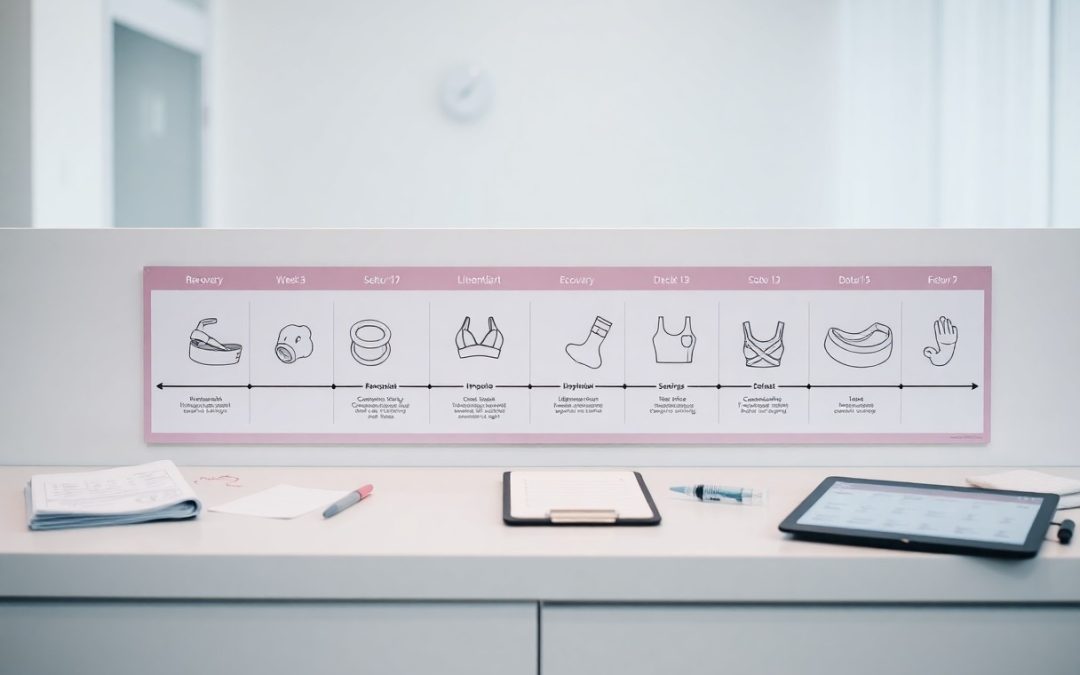
Procedures like rhinoplasty, liposuction, and facelifts each follow distinct recovery patterns you should know. You’ll typically resume light activities within days, but full healing can take weeks or months depending on the surgery. Understanding your specific timeline helps you plan effectively and set realistic expectations for results.
The Nose and the Splint
Recovery after rhinoplasty begins with the placement of a splint to support your nose as it heals. This protective device keeps the new structure stable and reduces swelling during the initial phase. You’ll wear it for about a week, and while it may feel restrictive, it plays a key role in shaping your final result.
The First Week of Breath
Breathing through your nose may feel difficult at first due to swelling and internal congestion. Most people rely on mouth breathing during this time, especially while sleeping. Discomfort is usually mild, and your surgeon may recommend gentle head elevation to ease pressure and improve airflow within the first few days.
When the Swelling Fades
Swelling peaks in the first few days and gradually decreases over several weeks. You’ll notice visible changes quickly, but subtle puffiness, especially at the tip, can linger. Most social downtime ends within two weeks, though full refinement takes months as your nose settles into its final contour.
Swelling follows a predictable pattern, with about 70% resolving in the first four weeks. The remaining swelling diminishes slowly, often influenced by factors like activity level, salt intake, and sun exposure. You may see small changes month by month, with the final shape typically emerging around the one-year mark. Patience is part of the process-your body needs time to complete healing beneath the surface.
The Chest and the Recovery
Healing after chest procedures demands patience and careful attention to your body’s signals. Swelling, bruising, and mild discomfort are common, but subside within days. Your surgeon will guide you through restrictions to protect results while supporting natural recovery.
The Weight of the First Days
Discomfort peaks in the initial 48 to 72 hours, making rest important. You may feel tightness or pressure, especially with movement. Pain is manageable with prescribed or recommended medication, and most find relief begins by the third day.
Returning to the World
Most people resume light daily activities within a week, depending on the procedure. Avoid lifting, strenuous exercise, or overhead motions for several weeks. Your appearance will continue improving as swelling fades over the coming weeks.
Returning to the world doesn’t mean jumping back into your full routine. You’ll likely feel ready for desk work or casual outings after five to seven days, but your body is still healing beneath the surface. Compression garments may be required, and sun exposure should be limited to protect healing skin. Social appearances are possible, though subtle bruising or asymmetry might linger. Follow-up appointments ensure your progress stays on track, and your surgeon will clear you for exercise based on your individual healing pace. Patience now leads to better, longer-lasting results.
The Tightening of the Face
Recovery from a facelift typically unfolds over several phases, with initial swelling and tightness most noticeable in the first week. You’ll feel some tension along the jawline and neck as the skin adjusts to its new contour. This sensation is normal and gradually softens as healing progresses.
The Shadows of the Bruise
Bruising often appears in the first few days, settling along the cheeks and jaw like faint shadows. You’ll notice it peaks around day three to five before slowly fading. Cool compresses and head elevation help minimize discoloration during this phase.
The Social Return
Most people feel comfortable returning to public activities within 10 to 14 days. Swelling has usually subsided enough that changes appear natural, not surgical. Makeup can easily conceal any lingering redness around the incision lines.
Your ability to re-engage socially depends on how your body heals and the extent of the procedure. Some return to work earlier with minimal visible signs, while others prefer waiting until all puffiness resolves. Plan light schedules at first to avoid overexertion and support graceful recovery.
The Needle and the Liquid
Injectable treatments offer subtle yet impactful facial enhancements with minimal interruption to your routine. You’ll likely return to work the same day, though slight redness or swelling may linger for a few hours. These procedures use fine needles or cannulas to place hyaluronic acid, neuromodulators, or collagen stimulators precisely where volume or relaxation is needed.
The Quick Prick
Most injections take under 30 minutes in the treatment chair. You may feel a brief pinch with each insertion, but discomfort is generally mild and short-lived. Providers often use numbing cream or ice to minimize sensation, letting you resume daily activities almost immediately.
The Settling of the Skin
Initial swelling or minor bruising fades within a few days, revealing a more natural look. Your skin needs time to adjust to the new volume or muscle relaxation, so final results may not be visible for up to two weeks. Avoiding heat, alcohol, and strenuous activity helps reduce side effects during this phase.
As your body integrates the product, subtle shifts occur beneath the surface. Hyaluronic acid fillers hydrate and mold to your facial contours, while neuromodulators gradually soften muscle movement. You might notice asymmetries at first-this is normal. The skin’s final appearance emerges once inflammation resolves and the product distributes evenly, usually by day 10 to 14. Following your provider’s aftercare ensures optimal, balanced results.
The Abdomen and the Rest
Recovery after abdominal procedures varies depending on the technique and your overall health. You’ll likely feel tightness and some discomfort at first, but these symptoms fade as your body heals. Most people return to light activities within a week, though full recovery takes several weeks.
Walking the Short Distance
You can begin walking short distances within a day or two after surgery. Moving gently helps prevent blood clots and supports circulation. Stick to slow, brief walks around your home at first, gradually increasing as your comfort allows.
The Strength of the Core
Your core strength plays a major role in how quickly you regain normal movement. Avoid crunches or heavy lifting for at least six weeks. Your surgeon will guide you on when to safely reintroduce core exercises.
Restoring core strength isn’t just about appearance-it supports posture, reduces back strain, and stabilizes your entire midsection. You’ll start with gentle activation exercises like pelvic tilts, progressing to planks and controlled movements only when fully cleared. Building strength slowly ensures long-term results without risking injury.
Summing up
Now you understand the recovery timelines for popular cosmetic procedures. Each procedure has its own healing pace, from a few days for injectables to several weeks for surgeries like rhinoplasty or tummy tucks. Your body responds uniquely, so following medical advice and allowing adequate rest ensures optimal results and reduces risks.