

Most people seeking cosmetic surgery focus primarily on the desired results, often overlooking the associated risks. To ensure a safe and effective procedure, you must prioritize safety at every step of your journey. This guide will provide you with important tips and insights to help you minimize potential risks, empowering you to make informed decisions about your cosmetic surgery experience. By arming yourself with the right knowledge, you can enhance your confidence and achieve the results you envision while prioritizing your health and well-being.
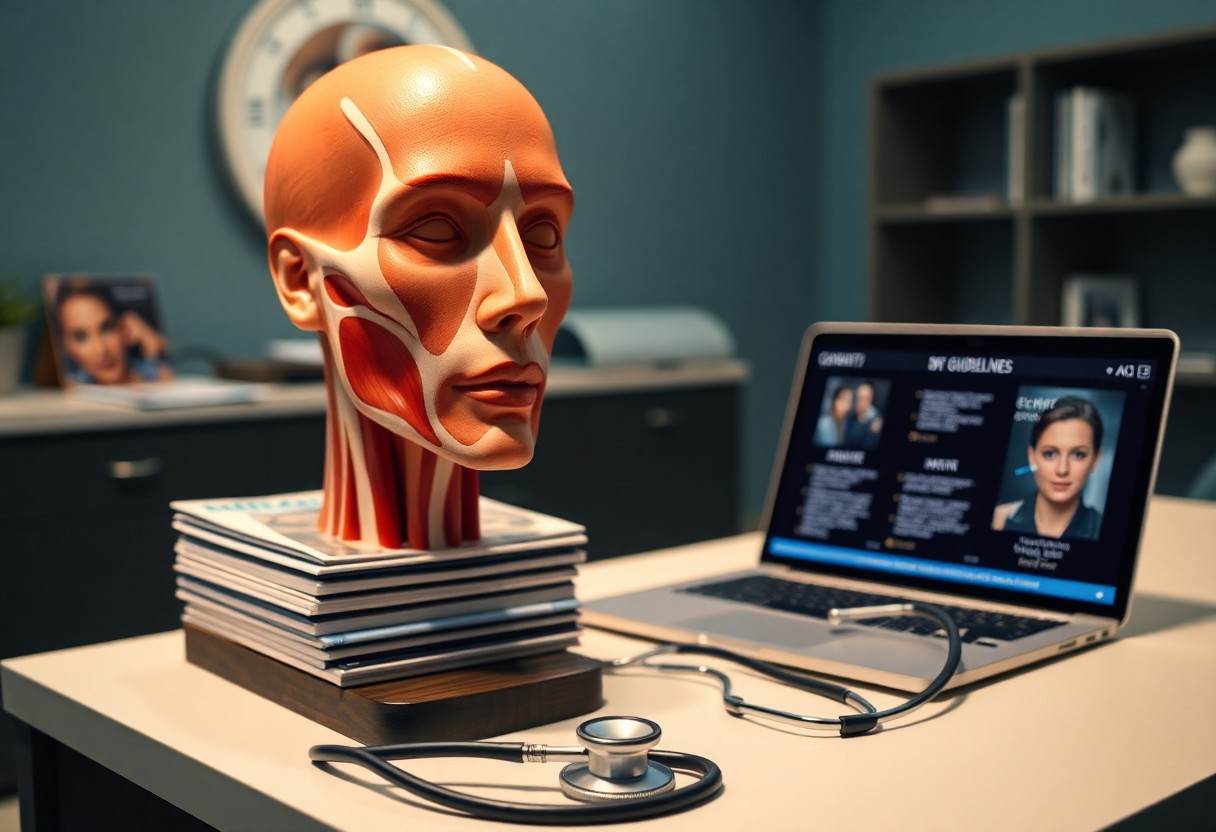
Deciphering the Risk Factors of Cosmetic Surgery
Understanding the risk factors associated with cosmetic surgery is vital to ensure a safe and successful procedure. Each individual procedure carries its specific risks, while the patient’s age, medical history, and lifestyle can affect overall safety. Familiarizing yourself with these factors allows you to make informed choices about your surgery and helps you mitigate potential complications.
- Your age can influence healing time and susceptibility to complications.
- Pre-existing health conditions, such as diabetes or heart disease, may increase risks.
- Smoking and obesity are linked to poorer surgical outcomes.
- The type of procedure—whether surgical or non-surgical—carries distinct risks.
Knowing the full scope of these risk factors informs your decision-making and conversations with your healthcare provider.
Unpacking Surgical vs. Non-Surgical Risks
Surgical procedures typically involve greater risks compared to non-surgical options. For instance, you may face longer recovery times, anesthesia risks, and heightened potential for infections with surgical interventions. Conversely, while non-surgical treatments, such as fillers or Botox, pose fewer risks, they still carry side effects like bruising, swelling, or allergic reactions.
The Role of Patient Health in Surgical Outcomes
Your overall health significantly influences surgical outcomes. Poor health can amplify risks during and after surgery, making it crucial to assess your health status beforehand. Many surgeons will require a comprehensive medical evaluation to identify any underlying conditions that could complicate the procedure and ensure you are fit for surgery.
For instance, studies reveal that patients who are obese tend to have higher rates of post-operative complications, including infections and delayed healing. Conditions like hypertension or diabetes can impact anesthesia efficacy and raise risks during surgery. Being proactive about your health—through regular check-ups and discussions with your surgeon—can pave the way for a smoother recovery and more favorable results. Engaging in healthy lifestyle choices, such as a balanced diet, regular exercise, and quitting smoking, can also significantly enhance your surgical outcomes and overall well-being.
The Importance of Selecting a Qualified Surgeon
Choosing the right surgeon can significantly influence your cosmetic surgery experience. A qualified and experienced surgeon not only has the technical skills necessary for complex procedures but also prioritizes patient safety above all else. By investing time in researching potential surgeons, you’re taking an important step toward minimizing risks and achieving your desired outcomes. Take this decision seriously, as it can have lasting implications for your health and aesthetic satisfaction.
Credentials That Matter: What to Look For
Focus on board certification, which indicates a surgeon’s commitment to high standards and ongoing education. Look for credentials from reputable organizations like the American Board of Plastic Surgery or the American Society of Plastic Surgeons. Additionally, evaluate the surgeon’s experience specific to your desired procedure, as a seasoned professional will likely have developed refined techniques and a comprehensive understanding of potential complications.
Red Flags: Spotting Potential Misguidance
Noticing inconsistencies in a surgeon’s credentials or approaching them with skepticism can be vital. Beware of overly inflated success stories or pressure tactics that rush you into a decision. Be cautious if the surgeon cannot clearly explain the risks involved or if they lack access to accredited surgical facilities. Transparency in communication and a willingness to address your concerns are important indicators of a responsible practitioner.
Identifying red flags during your consultation can save you from potential complications. If a surgeon recommends procedures that appear too aggressive or suggests they can achieve results that seem unrealistic, don’t hesitate to seek a second opinion. Additionally, if you encounter a lack of transparency about costs or hidden fees, that’s a significant warning sign. Listen to your instincts; if something feels off, it’s worth taking a step back and reassessing your options. Your safety should never be compromised for the allure of achieving an idealized result.

The Essential Pre-Operative Checklist
A comprehensive pre-operative checklist can significantly enhance your safety and well-being during cosmetic surgery. This includes thorough evaluations of your medical history, physical examinations, and any required laboratory tests. Ensure you discuss your goals and concerns openly with your surgical team. They will guide you through necessary preparations, including dietary restrictions and medication adjustments, to pave the way for a successful experience.
Medical Assessments and Clearances
Your surgeon will likely require pre-operative medical assessments to evaluate your overall health and suitability for surgery. These assessments may include blood tests, imaging studies, or consultations with specialists if you have pre-existing health conditions. Clearances from your primary care physician can also ensure you’re physically prepared for the procedure, minimizing postoperative complications and promoting a smoother recovery.
Setting Realistic Expectations with Your Surgeon
Engaging in open dialogue with your surgeon about expected outcomes enables you to align your desires with realistic capabilities. Discuss potential variations in results based on individual body types, healing processes, and the complexity of chosen procedures. Viewing before-and-after galleries and hearing about other patients’ experiences will provide context and insight, helping you achieve results that match your expectations.
Setting realistic expectations is a fundamental step that involves comparing your desired appearance with achievable results based on professional expertise and your unique body characteristics. Your surgeon will outline precise details on what can be accomplished, identify any limitations, and explain factors that may influence your healing process. By acknowledging these aspects, you can foster a more positive experience and maintain satisfaction with your surgical outcome.

Crafting a Safe Recovery Environment
Creating a suitable recovery environment greatly enhances your comfort and healing process post-surgery. This includes selecting a quiet space free from stressors and ensuring easy access to common necessities. Keep your surroundings stocked with nutrition-rich snacks, hydration options, and all prescribed medications. A clean area with adequate ventilation will further promote a sense of well-being and nurture your overall recovery experience.
Creating a Support System for Post-Operative Care
A reliable support system is instrumental in your recovery after cosmetic surgery. Enlist family or friends who can assist with daily tasks, provide emotional reassurance, and help monitor your condition. Their presence not only eases the physical burden but also offers a necessary emotional safety net during this vulnerable period.
Recognizing Signs of Complications Early
Proactive awareness of potential complications is crucial for a smooth recovery. You should regularly check the surgical site for unusual swelling, redness, or discharge. Additionally, pay attention to your body—persistent pain, fever, or unexpected changes could indicate a problem. Reporting these signs to your healthcare provider promptly ensures any complications can be addressed quickly, significantly reducing the risks of long-term issues.
Common complications may include infections, excessive bleeding, or adverse reactions to anesthesia. You might notice alarming symptoms like increased pain that doesn’t subside with rest, or a sudden fever over 101°F. Observing your body’s signals can make a significant difference in your recovery trajectory. Keeping a log of your symptoms may help you communicate more effectively with your healthcare provider, leading to quicker intervention should complications arise. Being vigilant not only aids in identifying issues early but also brings peace of mind during your healing journey.
Empowering Yourself with Knowledge
Knowledge is your best ally in navigating the world of cosmetic surgery. By understanding the procedures, potential risks, and recovery processes, you equip yourself to make informed decisions that align with your goals. Familiarizing yourself with different types of surgeries, varying techniques, and the expertise required of surgeons can prove invaluable. Approach the planning phase not just as a patient but as an informed participant in your own health and wellness journey.
Staying Informed: Questions to Ask Before Surgery
Before committing to any surgical procedure, compile a list of imperative questions to ask your surgeon. Inquire about their qualifications, experience with your specific procedure, and the facility’s accreditation. Discuss the expected recovery time, potential complications, and how they handle adverse events. Articulating your questions clearly will ensure you gain a comprehensive understanding of what lies ahead, empowering you to make choices that instill confidence.
Resources for Ongoing Education and Support
Accessing credible resources can significantly enhance your understanding of cosmetic surgery and its nuances. Professional organizations such as the American Society of Plastic Surgeons provide up-to-date information on procedures and safety standards. Additionally, follow reputable online forums or patient advocacy groups where personal experiences are shared, giving you broader insights. Engaging with these communities aids in building a supportive network as you progress through your surgical journey.
Participating in local or online support groups can further enrich your experience. Many organizations offer newsletters, workshops, and webinars that cover a range of topics from pre-operative preparation to post-surgery recovery. Interactions with peers who are undergoing similar experiences can provide emotional support and practical advice. Utilizing these resources fosters a sense of community and can alleviate anxiety while enhancing your education on cosmetic surgery and its effects on your well-being.
Summing up
Hence, by prioritizing safety through meticulous research, selecting qualified professionals, and understanding the risks involved, you can significantly minimize potential complications in cosmetic surgery. Make informed decisions, engage in open discussions with your surgeon, and ensure that you adhere to pre- and post-operative instructions. Your well-being should be the focus, allowing you to enhance your confidence while safeguarding your health.